Intelligence reports accessed by Reuters indicate that US federal and state officials, along with the International Federation of Association Football (FIFA), have warned of the risk of extremist and criminal elements targeting the 2026 World Cup. These threats include attacks on transportation infrastructure and potential civil unrest linked to President Donald Trump's stricter immigration policies.
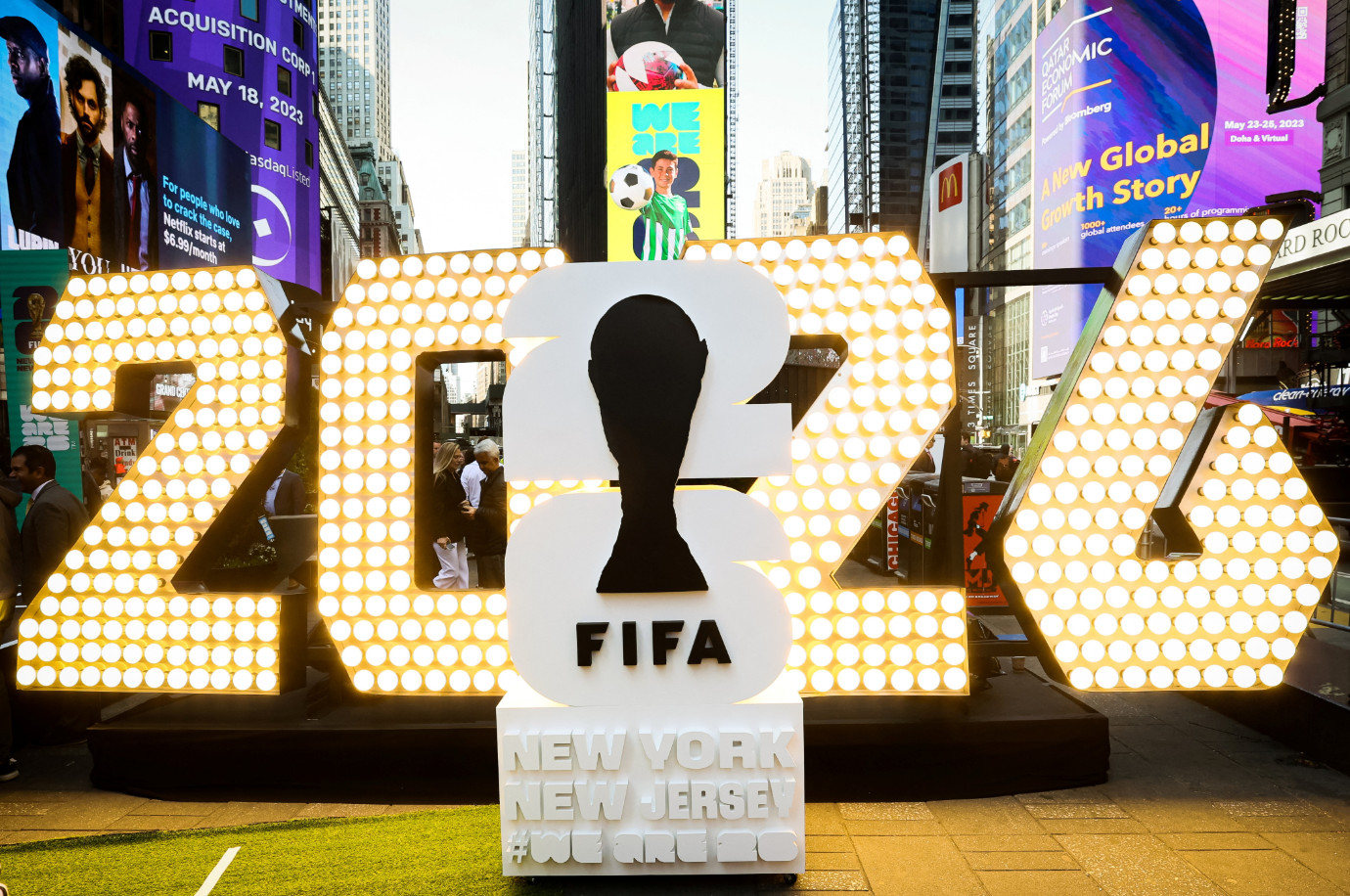 |
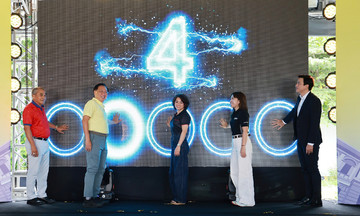
The FIFA World Cup 2026 New York/New Jersey area logo was unveiled at a kickoff event in Times Square, New York, US, on 18/5/2023. *Photo: Reuters* |
The World Cup, one of the world's largest sporting events, will take place this June and July across three nations: the US, Canada, and Mexico. While security for events of this magnitude is always tight, US officials are on heightened alert, particularly following the outbreak of conflict with Iran, which has raised concerns about potential retaliatory actions.
However, preparations are facing obstacles as a federal security budget of 625 million USD, approved in a spending bill in July 2025, has been delayed. The Federal Emergency Management Agency (FEMA), responsible for allocating these funds, had initially planned to disburse them by 30/1 but only recently announced funding after inquiries.
According to officials, these delays further complicate the already intricate planning process. Budget allocation procedures typically span several months, while the procurement of technology and equipment often takes even longer.
An intelligence report from New Jersey in December 2025 outlined risks from recent domestic attacks, thwarted terrorist plots, and the proliferation of extremist propaganda. The report also warned of the potential for spontaneous gatherings stemming from tensions between nations.
Another document noted online posts calling for attacks on railway systems during the World Cup, emphasizing "many opportunities for sabotage," particularly in the US West Coast and Canada.
Political disputes are also contributing to the delays. Democrats have criticized Secretary of Homeland Security Kristi Noem for postponing disbursements, while the White House attributes blame to disagreements over immigration policies. President Trump's administration asserts its goal is to host "the safest and most successful World Cup in history".
President Trump's stricter immigration policies also cast a shadow over the event, raising concerns about the presence of immigration enforcement and stringent visitor controls. Data indicates a decline in international visitors to the US since he took office, despite high demand for tickets and flight bookings for the tournament.
Furthermore, travel restrictions applied to citizens from over 30 countries, including Iran, are also having an impact. Iran is currently negotiating with FIFA to relocate its matches to Mexico. Other participating nations such as Haiti, Cote d'Ivoire, and Senegal are also affected by these restrictions.
Beyond the matches themselves, fan events such as the "FIFA Fan Festival" are also considered high-risk hotspots due to large crowd concentrations. A major event scheduled to take place in New Jersey was canceled and replaced with smaller activities, partly due to security concerns.
Local officials warn of immense pressure, likening each of the 104 World Cup matches to a Super Bowl final in terms of scale and safety requirements.
Hong Duy (according to Reuters)