Thames Water announced on 22/12 the discovery of a massive fat accumulation stretching 100 meters within a sewer pipe. The company estimates it could take several weeks to fully remove the obstruction.
This incident highlights the consequences of improper waste disposal. Tim Davies, head of wastewater operations for north London, explained, "This is what happens when fat, oil, grease, and wet wipes go down the drain. They don't disappear; they accumulate and cause serious damage."
Clearing such blockages and repairing damaged sewers costs tens of millions of pounds annually. Davies stressed that these costs are ultimately borne by customers, urging residents to carefully consider what they pour down their sinks, especially during the holiday season.
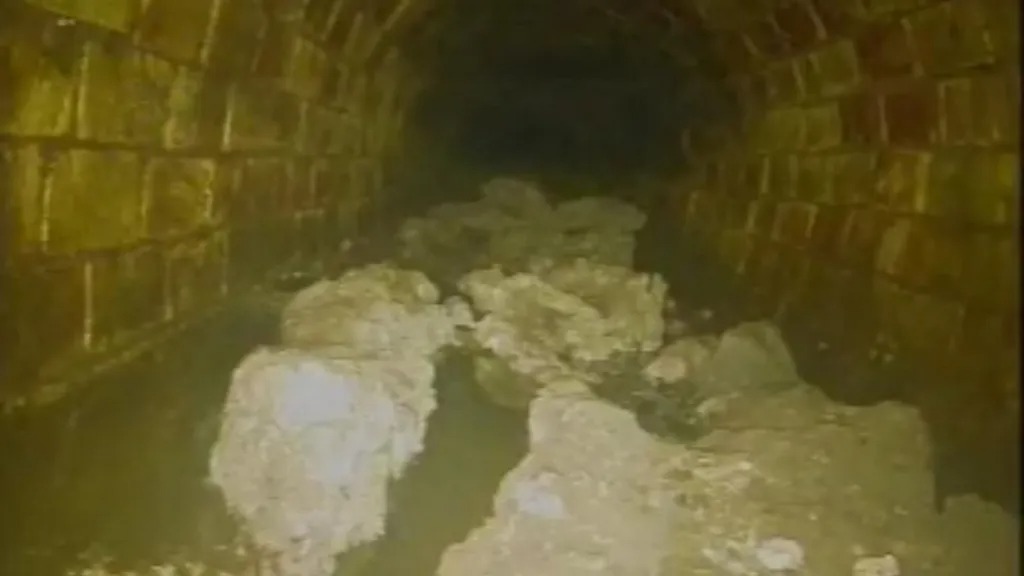 |
The 100-meter fatberg in a London sewer pipe. Photo: *BBC* |
While residents have not yet been affected due to the sewer being only partially blocked, this fatberg has been dubbed the "grandson" of the 2017 Whitechapel fatberg. That earlier behemoth weighed 130 tons and spanned over 250 meters, becoming one of the largest ever found in the city's sewers, with a sample even displayed at the Museum of London.
Sewer blockages in London are a recurring problem, often peaking in December and January following the Christmas and New Year holidays. Thames Water advises residents to scrape food scraps from plates, use sink strainers, and avoid pouring liquid foods like gravy or cream down the drain to prevent future incidents.
By Hong Hanh (Source: BBC)