The Guardian, a British newspaper, reported that Turkey, Saudi Arabia, Qatar, and Oman lobbied US President Donald Trump not to order a strike on Iran at the "last minute." These nations argued that a Washington attack on Tehran would ignite a major, intractable conflict across the Middle East. This diplomatic push, along with warnings from other allies, appears to have convinced Trump to cancel military action.
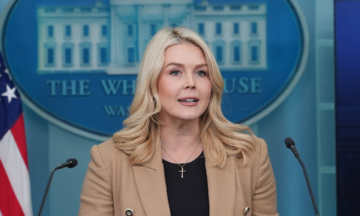
Turkish Foreign Minister Hakan Fidan stated on 15/1 in Istanbul, "We want issues to be resolved through dialogue." He expressed hope that the US and Iran would settle their disagreements via mediators or direct talks, adding that Turkey was closely monitoring the situation. Separately, the New York Times cited a senior White House official who said Israeli Prime Minister Benjamin Netanyahu on 15/1 asked President Trump to postpone "any military attack plans on Iran." White House spokesperson Karoline Leavitt confirmed Trump's phone call with Netanyahu but did not disclose the specific content.
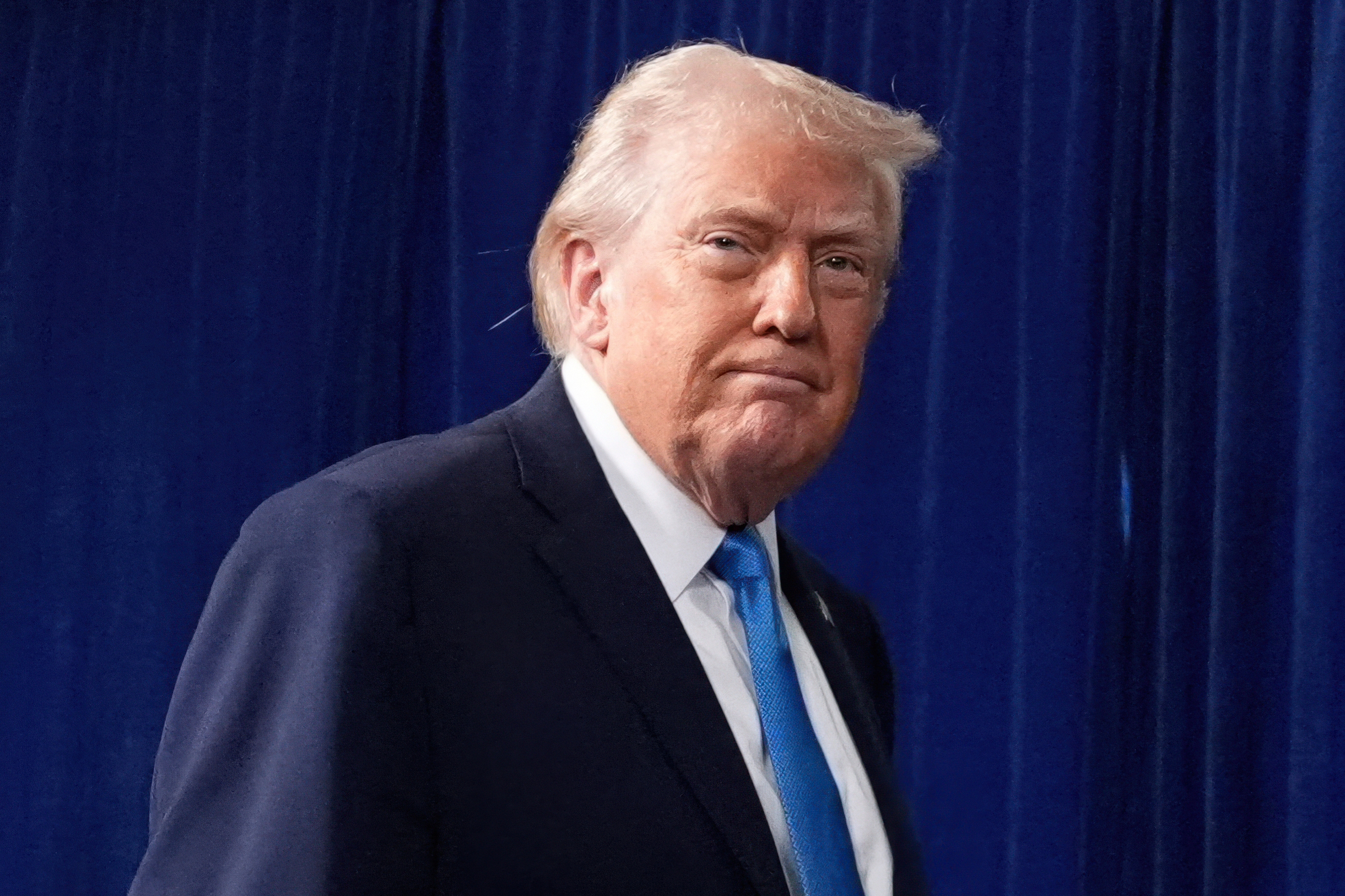 |
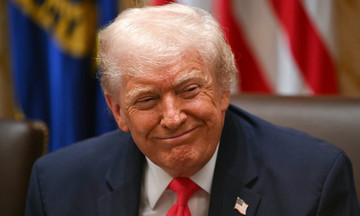
US President Donald Trump in Mar-a-Lago, Florida on 3/1. Photo: AP |
Saudi Arabia went as far as signaling it would refuse to allow the US to use its airspace for any airstrikes targeting Iran. Saudi Foreign Minister Faisal bin Farhan continued discussions on this matter with counterparts from Oman, Turkey, and Iran on 15/1. This move reflects improving relations between Iran and Gulf countries. Qatar's Foreign Ministry spokesperson, Majed al-Ansari, emphasized this week that regional challenges "require all of us to return to the negotiating table."
In recent days, Trump had threatened to strike Iran if more protesters were killed in the country. However, the warnings from Middle Eastern allies "seem to have helped persuade Trump to cancel the strike at the last minute," according to the Guardian. White House spokesperson Leavitt affirmed that President Trump and his advisory team were still engaging with the Iranian administration, warning of "very serious consequences" if more protesters died. Leavitt stressed, "Only President Trump knows what he will do next and a very small group of advisors are aware of his plans." Trump recently appeared to soften his stance, stating that "the killing of protesters in Iran has ended" and that he would "monitor and consider the possibility of US military action."
The protests in Iran began on 28/12/2025, sparked by merchants dissatisfied with Iran's economic situation and the depreciating rial. The demonstrations quickly spread to many localities across Iran, escalating into violent clashes with security forces. Iranian officials have accused "terrorist agents" from Israel and the US of inciting the unrest, a claim the US State Department has rejected, stating that Tehran is "distracting public attention from internal issues."
Iranian officials reported that at least 109 security force members have died but have not released statistics on protest casualties. In contrast, human rights groups claim at least 2,677 people have been killed. On the morning of 15/1, Iran closed its airspace, prohibiting all flights over the country except authorized international arrivals and departures. This action left Iranian skies empty that morning, while air traffic in neighboring countries remained busy, according to FlightRadar24 data.