The European Union (EU) is weighing its 20th sanctions package against Russia, aiming to intensify pressure as the Ukraine conflict nears its four-year mark. Announced by President of the European Commission (EC) Ursula von der Leyen on 6/2, the measures are designed to compel Moskva to negotiate. "We must be clear-eyed. Russia will only seriously come to the negotiating table if forced to do so. This is the only language Russia understands. That is why today we are strengthening these measures," von der Leyen stated.
The new package, expected for adoption on 24/2, will ban the provision of maritime services, including insurance and port access, for Russian crude oil exports. This move represents Europe's latest effort to disrupt Moskva's crucial energy revenues. Additionally, the EU plans to tighten control over what it identifies as Russia's "shadow fleet," used to circumvent oil export restrictions, and target liquefied natural gas carriers.
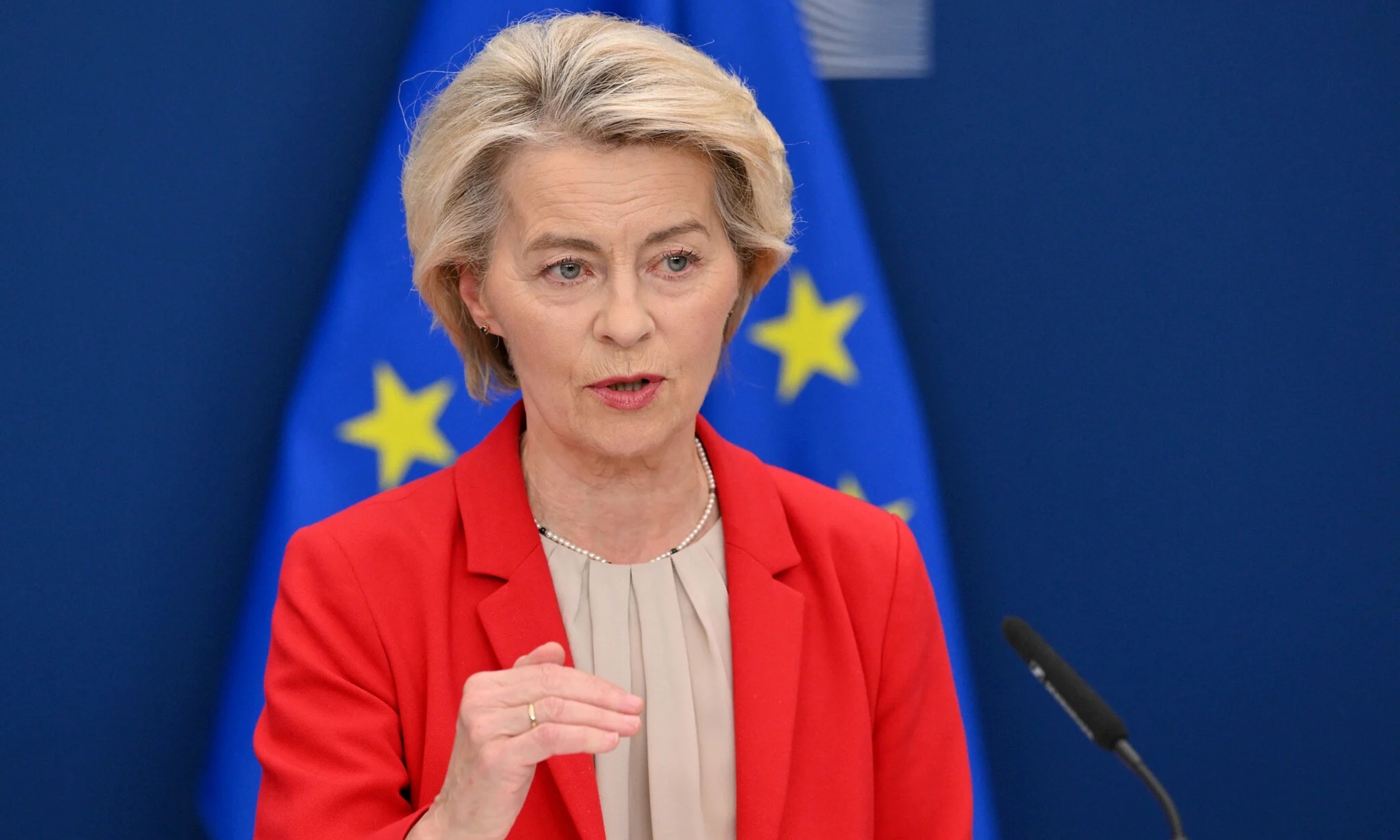 |
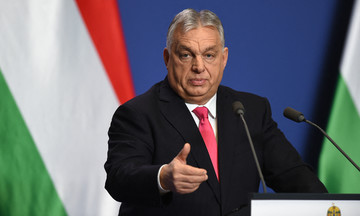
Ursula von der Leyen presides over a press conference in Brussels, Belgium, in 6/2025. Photo: AFP |
Further economic targets include blacklisting an additional 20 Russian banks and focusing on cryptocurrency traders to "close another loophole" for Moskva. Russian exports of metals, chemicals, and essential materials, valued at approximately 670 million USD annually, are also slated for sanctions. The EC, the EU's executive body, determines the bloc's political and strategic directions for such actions.
The EU has already implemented 19 sanctions packages against Russia since the onset of the Ukraine conflict. While the Russian economy has shown resilience to these pressures, EU officials believe that difficulties are increasingly mounting for Moskva. For the sanctions to take effect, they require unanimous approval from all 27 EU member states. The new package is scheduled for preliminary discussion on 9/2.