For nearly one year, Delaram Pouyabahar had planned postdoctoral research at Harvard University. She completed all interview rounds, research funding applications, visa procedures, and a consular interview in Toronto.
However, when the US added Iran to the list of 19 countries subject to a travel ban last June, the visa issuance process for the biologist stalled, preventing Pouyabahar from going to Harvard to begin her research, US media reported last weekend.
Previous US travel bans allowed many students and researchers to enter under special provisions. However, the new regulations completely eliminated these pathways.
Pouyabahar is a computational biologist living in Canada, specializing in machine learning methods for single-cell RNA sequencing, a rapidly developing field with the deep application of artificial intelligence in life sciences.
One of her studies in the Nature journal has been cited more than 200 times, a rare feat for a young researcher. Her work focuses on developing tools to help scientists analyze and interpret complex biological datasets.
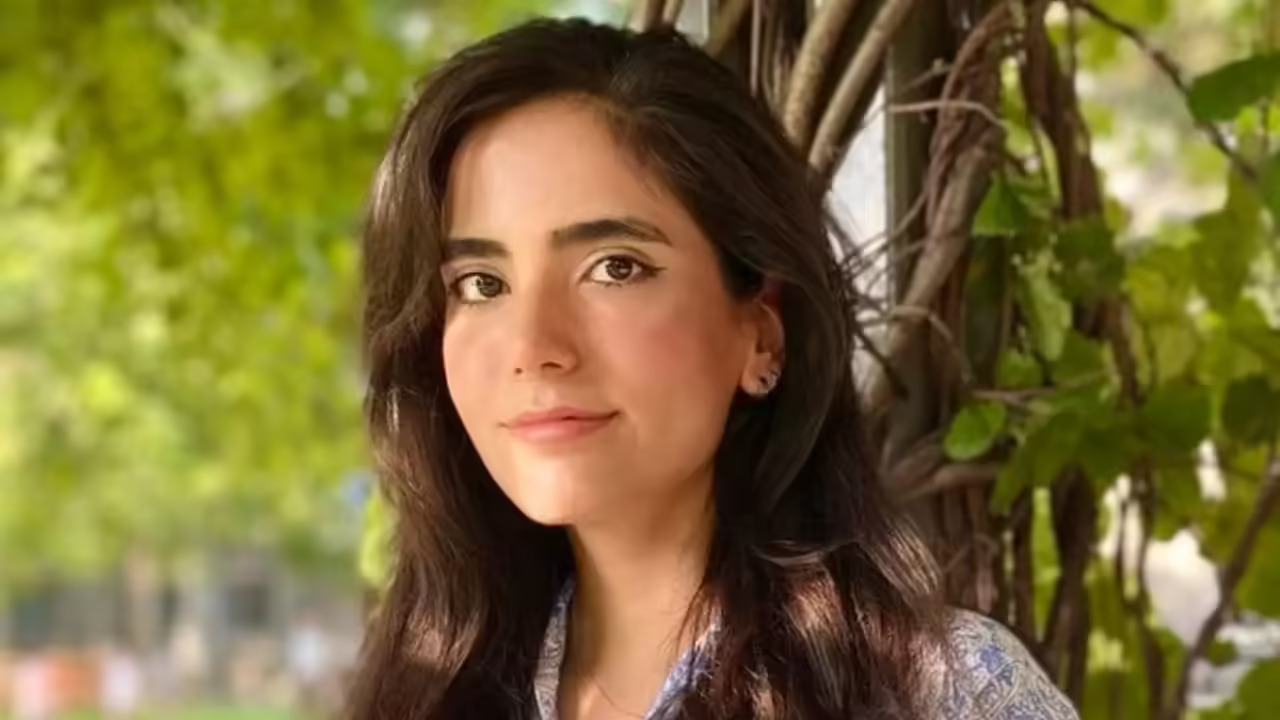 |
Iranian-born computational biologist Delaram Pouyabahar. Photo: utoronto |
According to observers, Pouyabahar's profile places her among the most competitive candidates for top postdoctoral research positions.
University education associations and school immigration departments estimate that more than 10,000 potential students and scholars could be affected by the Trump administration's visa restriction policy.
When news of the travel ban appeared in the media since March, Pouyabahar tried to accelerate her plans to move to the US. She rescheduled her doctoral thesis defense at the last minute, preparing within two weeks, hoping that completing her PhD program early could safeguard her plans to go to the US.
But that effort was unsuccessful. The ban was announced a few weeks after her visa interview, and she never received a response.
She was forced to change direction, staying and continuing her research in Canada, abandoning her aspiration for an academic career at Harvard. According to observers, many Iranian scholars are also quietly shifting their careers to Canada or Europe; others are forced to postpone or suspend ongoing research projects, losing funding opportunities.
Beyond the direct impact on her career, Pouyabahar also described the psychological distress she experienced during this process. Looking back at the outcome, she feels somewhat relieved not to have entered a system where immigration status "can be reversed overnight".
Highly skilled immigrants play a significant role in US innovation. Foreign-born scientists account for a disproportionate share of patents, startups, and breakthrough research, particularly in fields such as biotechnology and artificial intelligence.
"This experience has reshaped how we view the US as a destination for scientific advancement", Pouyabahar said.
Duc Trung (According to Times of India, Washington Post)