On may 8, Prime Minister Le Minh Hung affirmed Vietnam's commitment to supporting the Philippines' chairmanship and member states in implementing its priorities and initiatives for 2026, according to the Ministry of Foreign Affairs. This statement was made at the 48th ASEAN Summit plenary session.
The prime minister highlighted that given interconnected, multidimensional challenges, ASEAN's primary concern is not whether it will be affected, but rather how it will respond and cooperate to address these issues.
Prime Minister Le Minh Hung presented three key proposals, the first of which emphasizes concentrating resources to ensure essential security needs, including energy security, food security, and human security.
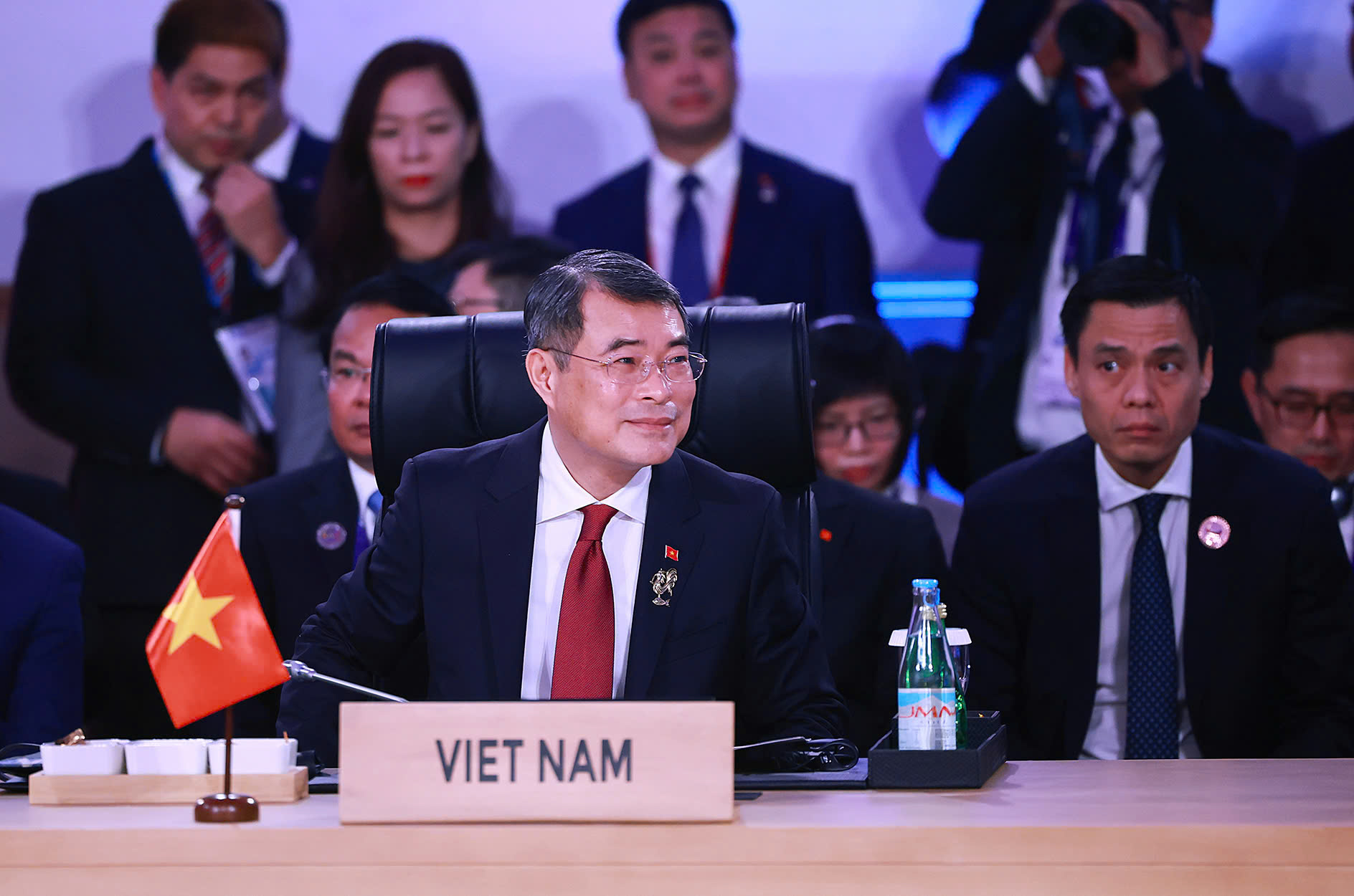 |
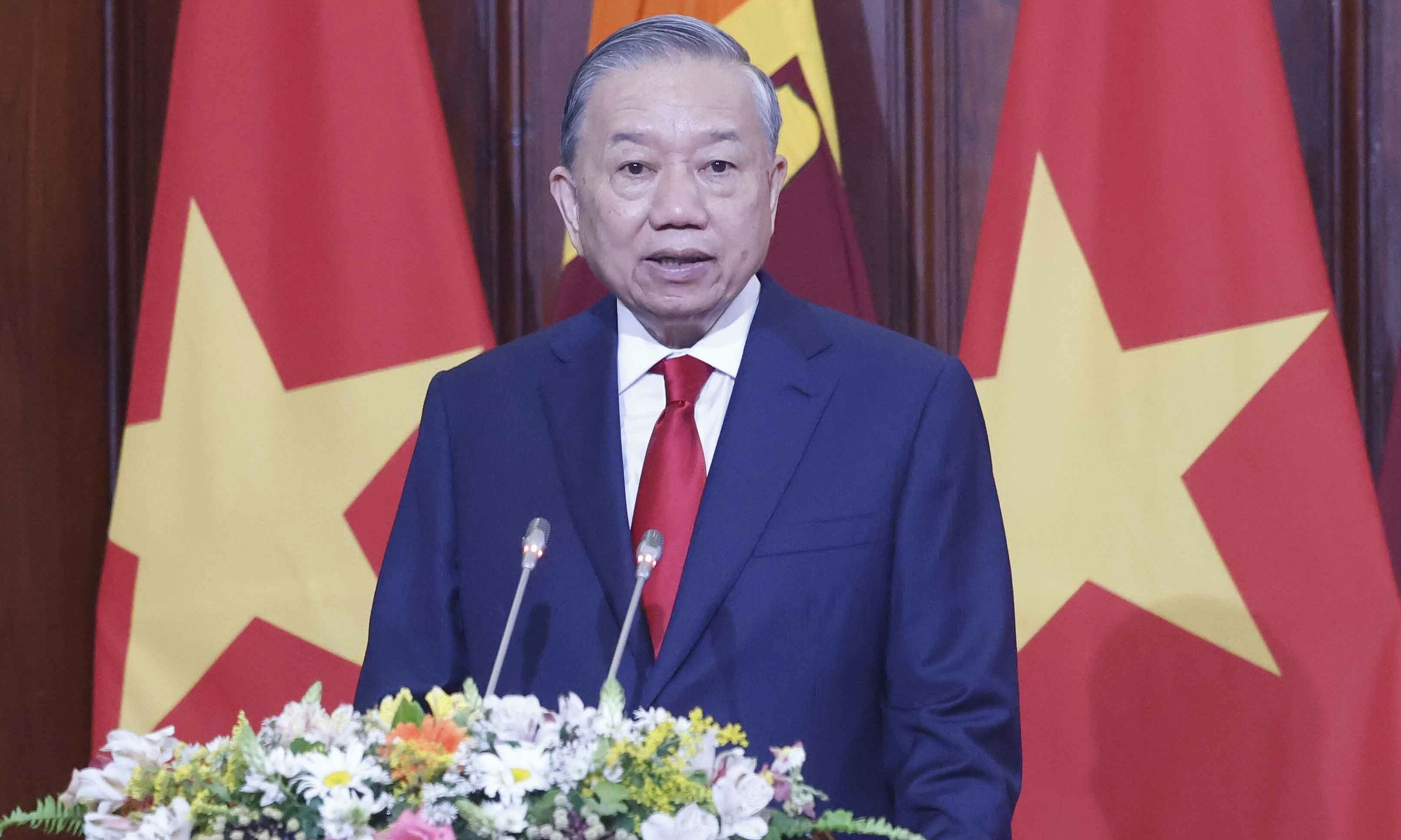
Prime Minister Le Minh Hung at the 48th ASEAN Summit plenary session in Cebu, Philippines, on 8/5. *VGP* |
To achieve these goals, he called for diversifying energy sources, promoting energy transition, and increasing access to green finance and advanced technology. Additionally, enhancing the effectiveness of existing food security frameworks, strengthening strategic reserves, and establishing a specialized emergency reserve mechanism for rice and other essential goods are crucial.
The prime minister reiterated Vietnam's readiness to provide food assistance in emergency situations and share relevant experience with ASEAN member states. Vietnam will also continue close coordination with member states in citizen support efforts.
He also proposed fostering substantive cooperation to bolster ASEAN's internal capacity and resilience. This includes the effective implementation of the ASEAN Trade in Goods Agreement (ATIGA) and the swift completion of the ASEAN Digital Economy Framework Agreement (DEFA).
Prime Minister Le Minh Hung urged enhanced ASEAN coordination and solidarity. This involves improving the effectiveness of inter-sectoral consultation and coordination during emergencies and further leveraging the ASEAN Secretariat's coordinating role to ensure continuous, synchronized, and effective implementation of regional commitments.
Following Vietnam's proposal, the conference discussed and agreed to issue the ASEAN Leaders' Declaration on Priority Actions to Strengthen Regional Resilience in Response to the Consequences of the Middle East Situation. This declaration articulates ASEAN's political stance on the Middle East situation's implications, the leaders' vision for ASEAN's position within the regional structure, and a practical, highly implementable common response strategy.
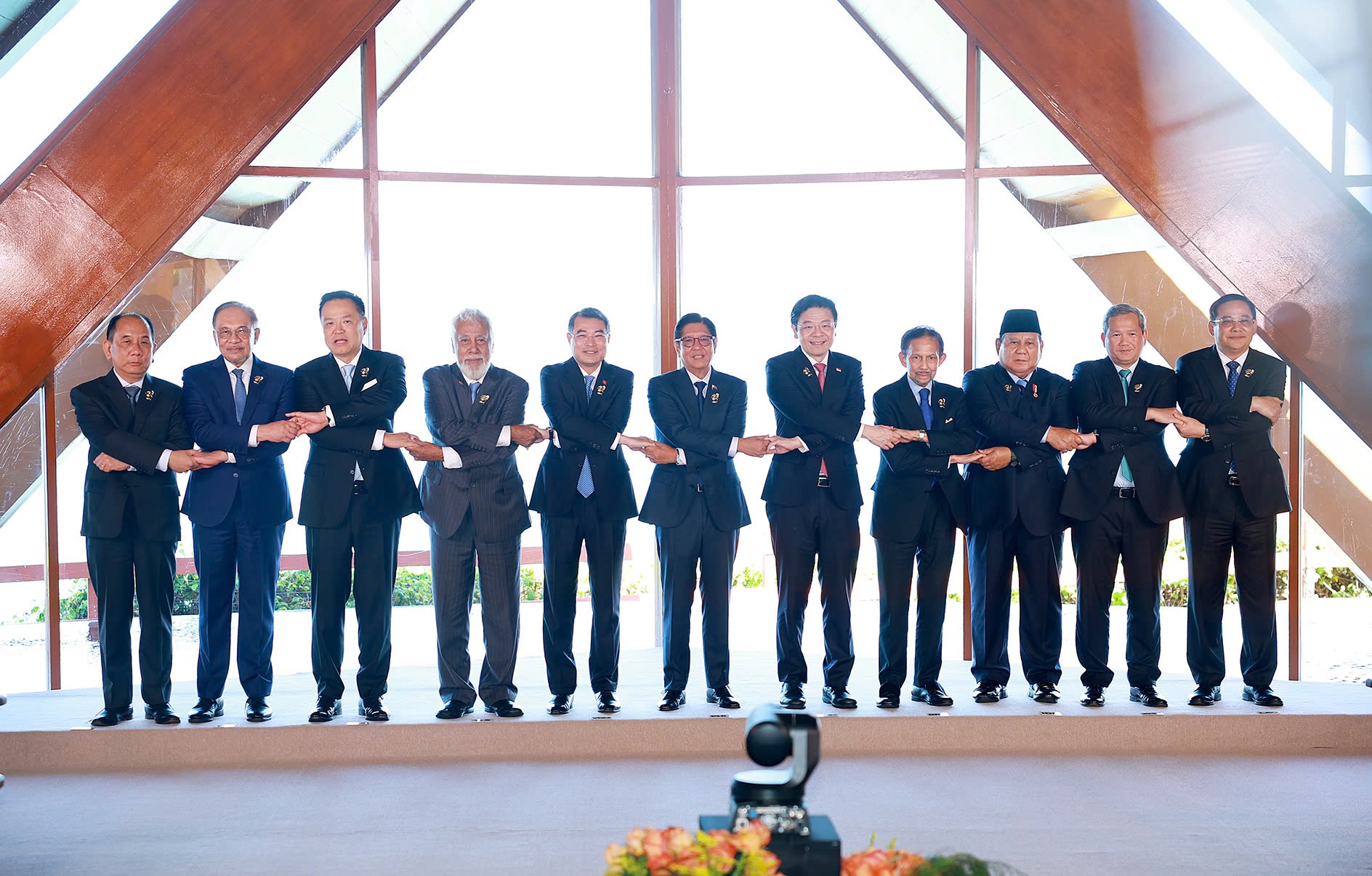 |
Prime Minister Le Minh Hung and heads of delegation attending the 48th ASEAN Summit's closed session. *VGP* |
On the same day, the prime minister participated in a closed session of ASEAN leaders. The primary discussion focused on responding to energy crises stemming from geopolitical tensions and the lessons for ASEAN.
The prime minister stressed that in an increasingly insecure and uncertain strategic environment, ASEAN must not merely adapt to change but actively anticipate, lead, and shape it.
He proposed that ASEAN should lead in upholding rules and strengthening trust in international relations by consistently promoting multilateralism and the supremacy of international law.
In a volatile world, ASEAN must anticipate change through proactive crisis prevention and management. Enhancing strategic autonomy and asserting its central role are crucial for ASEAN to withstand and overcome current multidimensional challenges.
Amidst major power competition and pressure to align, ASEAN must strengthen its solidarity, unity, and balanced engagement with partners. It is essential for ASEAN to maintain its central role, shape the agenda in ASEAN-led mechanisms, and broaden its development scope by fostering external relations with potential partners.
Ngoc Anh