Data from Russia's Price Index Center (CPI), cited on 5/7 by the Moskva-based Vedomosti newspaper, shows Russia imported 141,000 tons of gasoline from Belarus between 1/6 and 25/6.
This figure is 2,4 times the total gasoline imported from Belarus in May. During the same period last year, Belarus exported only about 1,000 tons of gasoline to Russia. Vedomosti reported that Belarus redirected some gasoline initially intended for Central Asian countries to Russia.
On 1/7, Russia's Kommersant newspaper reported that Belarusian gasoline prices on the St. Petersburg International Mercantile Exchange had increased 1,8 times since early May.
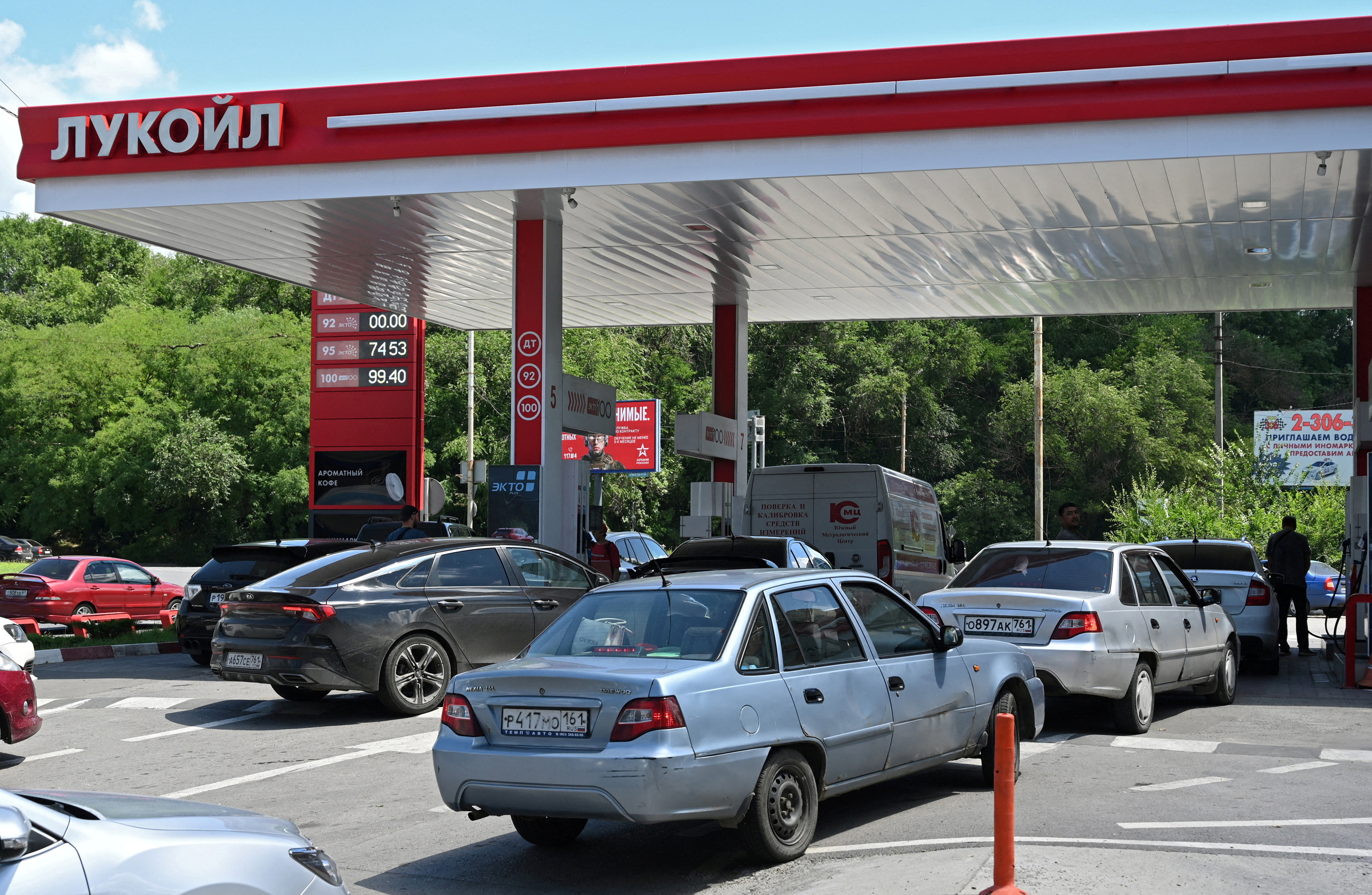 |
Cars queue for fuel at a Lukoil gas station on 29/6 in Rostov. *Reuters*
Economic cooperation between Russia and Belarus continues to grow. Belarusian Prime Minister Aleksandr Turchin stated on 6/7 that bilateral trade turnover in the first five months of the year increased by over 20% compared to the same period. Key focus areas include machine manufacturing, equipment, high technology, microelectronics, and transport infrastructure development within the framework of the Russia-Belarus Union State.
Energy expert Kirill Rodionov estimates Belarus could export about 1,8-2 million tons of gasoline annually, equivalent to 150,000-170,000 tons per month.
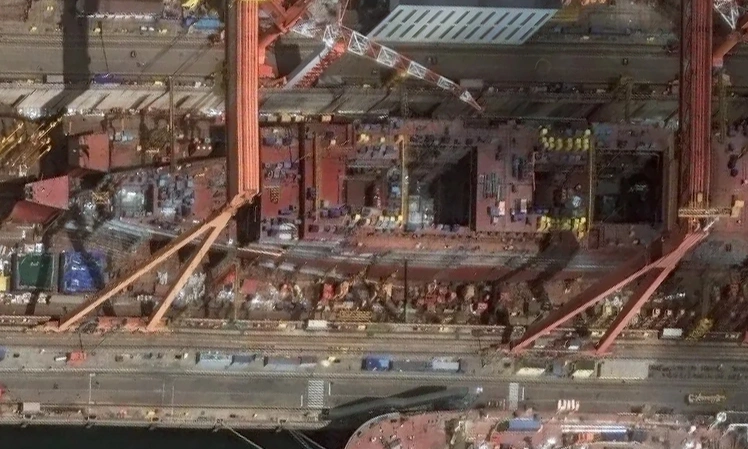
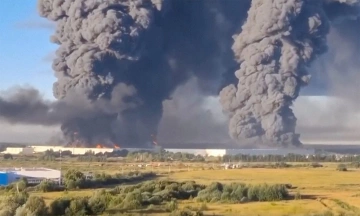
Russia faces serious fuel challenges after a series of Ukrainian unmanned aerial vehicle (UAV) attacks targeted its oil and gas pipeline and refining infrastructure. In addition to Belarus, Russia reportedly began importing gasoline from India and is negotiating with Kazakhstan for increased supplies.
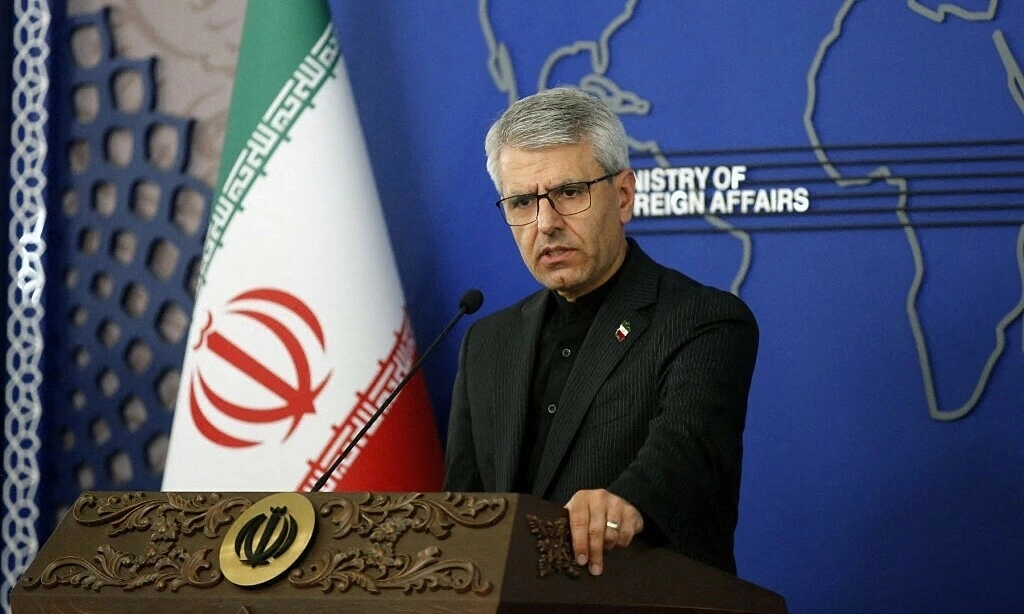
Reuters reported on 1/7, citing sources, that two tankers carrying about 60,000 tons of gasoline also departed Indian ports for Russia. Indian Petroleum Minister Hardeep Singh Puri later stated that India does not directly export gasoline to Russia, but he did not rule out the possibility that "Indian-origin gasoline is being sold to Russia by traders".
On 30/6, Kremlin spokesman Dmitry Peskov confirmed that Russia is discussing with partners to import gasoline at "acceptable prices".
President Vladimir Putin also acknowledged that Ukraine's recent attack campaign caused "certain fuel shortages" in the short term across many Russian regions, adding that the government is seeking to resolve this issue. Putin estimated Russia's total gasoline reserves at 1,7 million tons, a 4% decrease compared to last year.
Observers believe the additional fuel will help alleviate pressure on Russia's domestic market but will not fully resolve the consumer gasoline shortage. Reuters estimated in June that Russia's summer gasoline consumption demand is around 110,000 tons per day.
Ukrainian President Zelensky posted a video announcing the UAV attack on targets in St. Petersburg, Russia. Video: X/@ZelenskyyUa
President Putin also signed amendments to Russia's federal tax code to facilitate fuel supply to the domestic market, Interfax reported on 6/7.
The new adjustments relate to excise taxes on blended gasoline production and subsidy mechanisms for companies authorized to distribute imported gasoline in the Russian market.
For gasoline produced in Eurasian Economic Union (EAEU) countries, a subsidy coefficient applies from 1/6. For gasoline imported from non-bloc partners, the subsidy level will be calculated using a separate formula based on reference prices in the Indian market and transport costs from its seaports.
By Thanh Danh (Interfax, Belta, Reuters, Vedomosti)