The Strategic and International Studies Center (CSIS) estimates the U.S. military fired nearly half its Patriot air defense missile inventory, along with over 50% of its Terminal High Altitude Area Defense (THAAD) munitions, in a report on the Middle East conflict published on 21/4.
U.S. forces also appear to have used about 45% of their new-generation PrSM ballistic missiles, 20% of JASSM stealth cruise missiles, 30% of SM-3 long-range air defense missiles, and at least 10% of SM-6 munitions during the conflict. Approximately 27% of Tomahawk cruise missiles in the inventory were also fired.
CSIS estimates it will take the U.S. 1-4 years to restore missile stockpiles to pre-conflict levels. These weapons would play a crucial role in a potential conflict in the Pacific.
The report states that even before the conflict with Iran, stockpiles were deemed insufficient for engaging a peer adversary. This shortage has worsened, and more time will be needed to ensure inventories are adequate for a war with an adversary like China.
Despite these concerns, CSIS believes the U.S. military still has enough weapons to continue its operations against Iran.
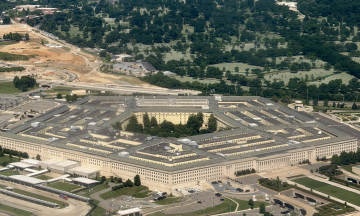
When asked to comment, Pentagon spokesperson Sean Parnell stated the U.S. military is "the most powerful force in the world, with everything needed" to act at the time and place chosen by President Donald Trump.
He added that since President Trump took office, the U.S. military has conducted many successful operations globally while maintaining "ample arsenals" to protect its people and national interests.
"Efforts to make the American people worry about the Department of Defense's weapon stockpiles are uninformed and shameful actions", the Pentagon spokesperson said.
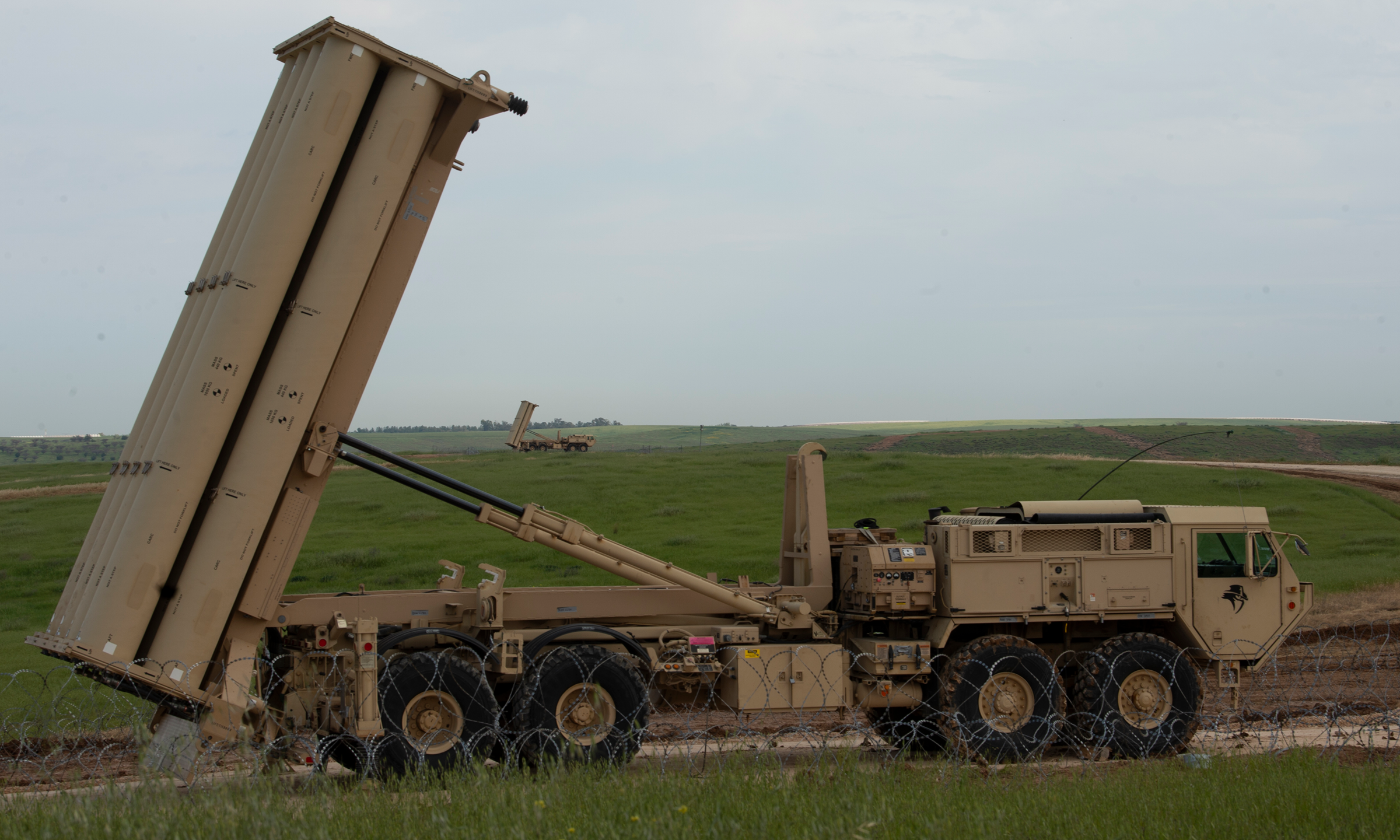 |
A launcher for the U.S. THAAD system in Israel in 2019. Photo: USAF |
Aviation Week magazine reported on 13/4, citing a senior U.S. official, that the country had exhausted its PrSM missile inventory in the early stages of the conflict with Iran. A U.S. Army spokesperson later refuted this, stating Washington still possessed some PrSM munitions.
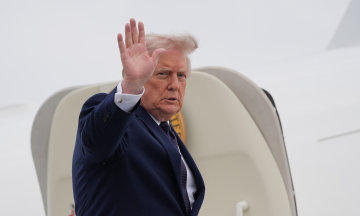
President Trump met with major U.S. defense contractors in early March. He later announced they had agreed to quadruple the production of high-tech weapons.
Jules Hurst, an advisor to the U.S. Secretary of Defense, stated on 21/4 that officials plan to expand long-term ammunition contracts, potentially up to seven years, to "provide stability and encourage long-term investment across the entire supply chain." This is part of President Trump's 1.5 trillion USD defense budget proposal.
Pham Giang (According to Hill, Al Jazeera, Aviation Week)