US Secretary of State Marco Rubio announced on 17/10 that President Donald Trump delayed new sanctions against Russia for 60 days. This pause, Rubio explained, is to "analyze what the imposition of both sanctions and tariffs would mean for the global economy, as well as for the US economy itself".
Rubio noted that these economic restrictions affect numerous countries, not just Russia. He highlighted that multiple ongoing conflicts are impacting global energy prices, including the conflict with Iran and Houthi attacks in Yemen targeting Saudi Arabia. "These conflicts around the world are starting to collide with each other, affecting not only global oil and diesel prices, but also economies", he stated.
 |
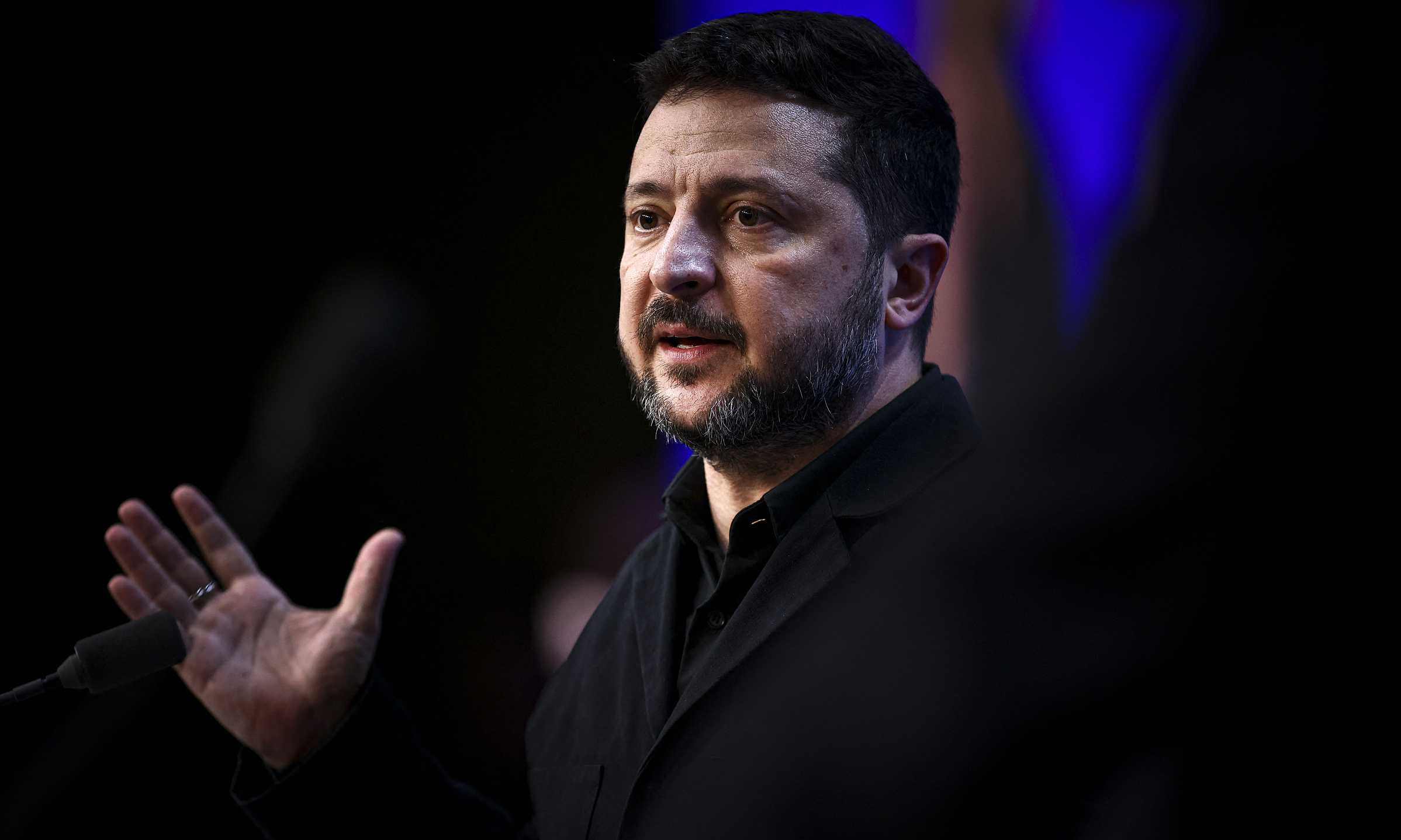
President Donald Trump in Highland Heights, Kentucky, on 17/10. *Photo: AP*.
President Donald Trump signed an executive order on 16/10, suspending new sanctions against Russia. This action, he informed Congress, was taken to "serve the national interest". The executive order postpones measures mandated by a law passed by the US Congress last month.
The sanctions law, enacted by Congress and signed by President Trump in 9, authorizes the application and expansion of statutory sanctions, tariffs, and prohibitions against Russia. It also extends existing sanctions on Iran. This legislation is named after the late Republican Senator Lindsey Graham, who passed away in 7 after campaigning for over one year to secure support for the sanctions package.
Trump's decision drew strong criticism from numerous senators across both Democratic and Republican parties. They have urged colleagues to act to reverse the situation.
Ngoc Anh (According to AFP, Reuters)