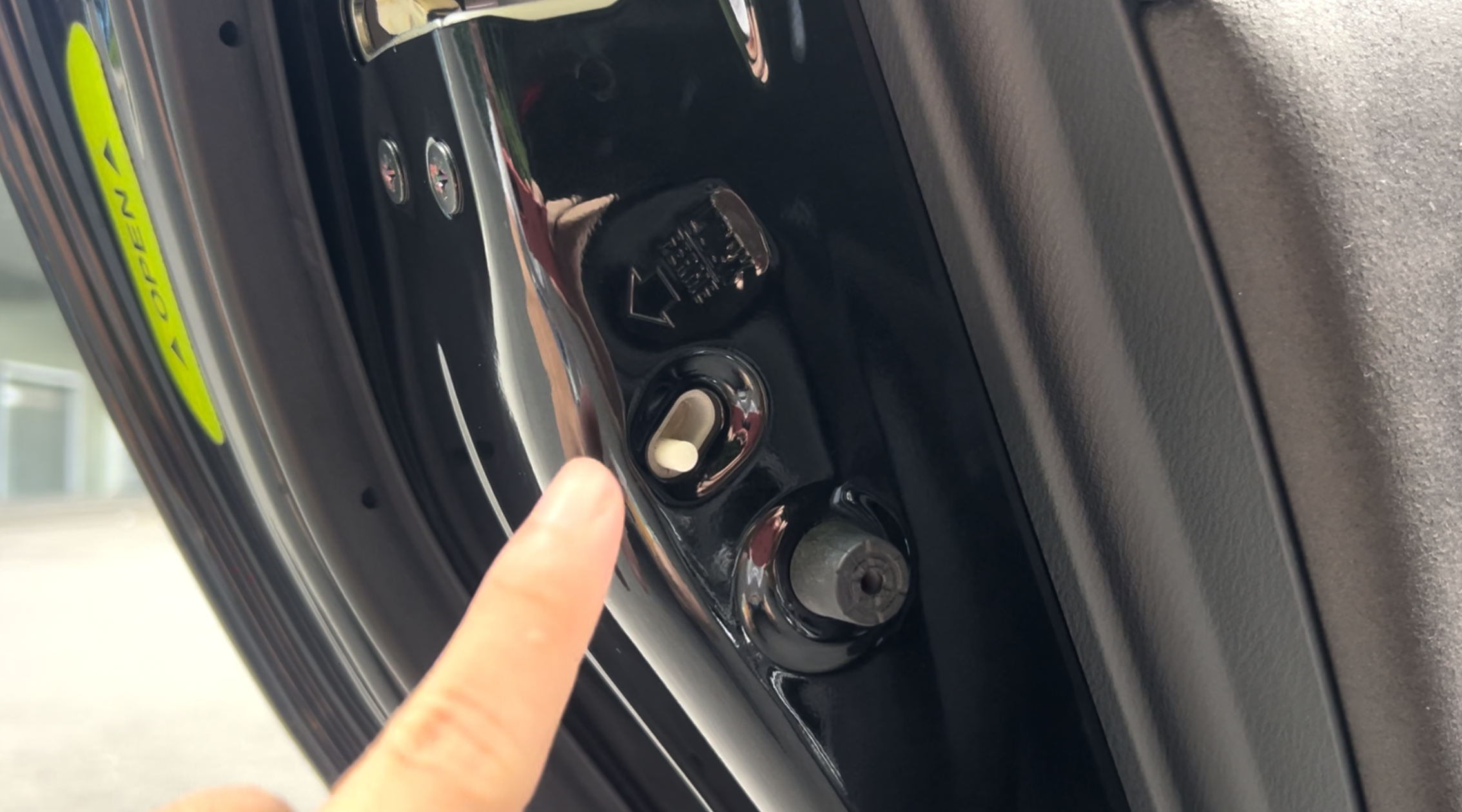
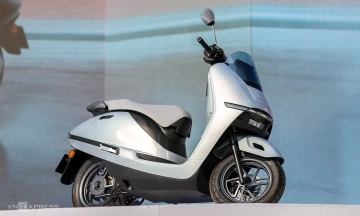
Lately, whenever I book a ride-hailing service and see that a new electric vehicle model is assigned, a sense of unease arises within me, alongside the excitement for a clean and affordable ride. This isn't about the vehicle's performance; it's about the most basic operation: how do I open the door to get out?
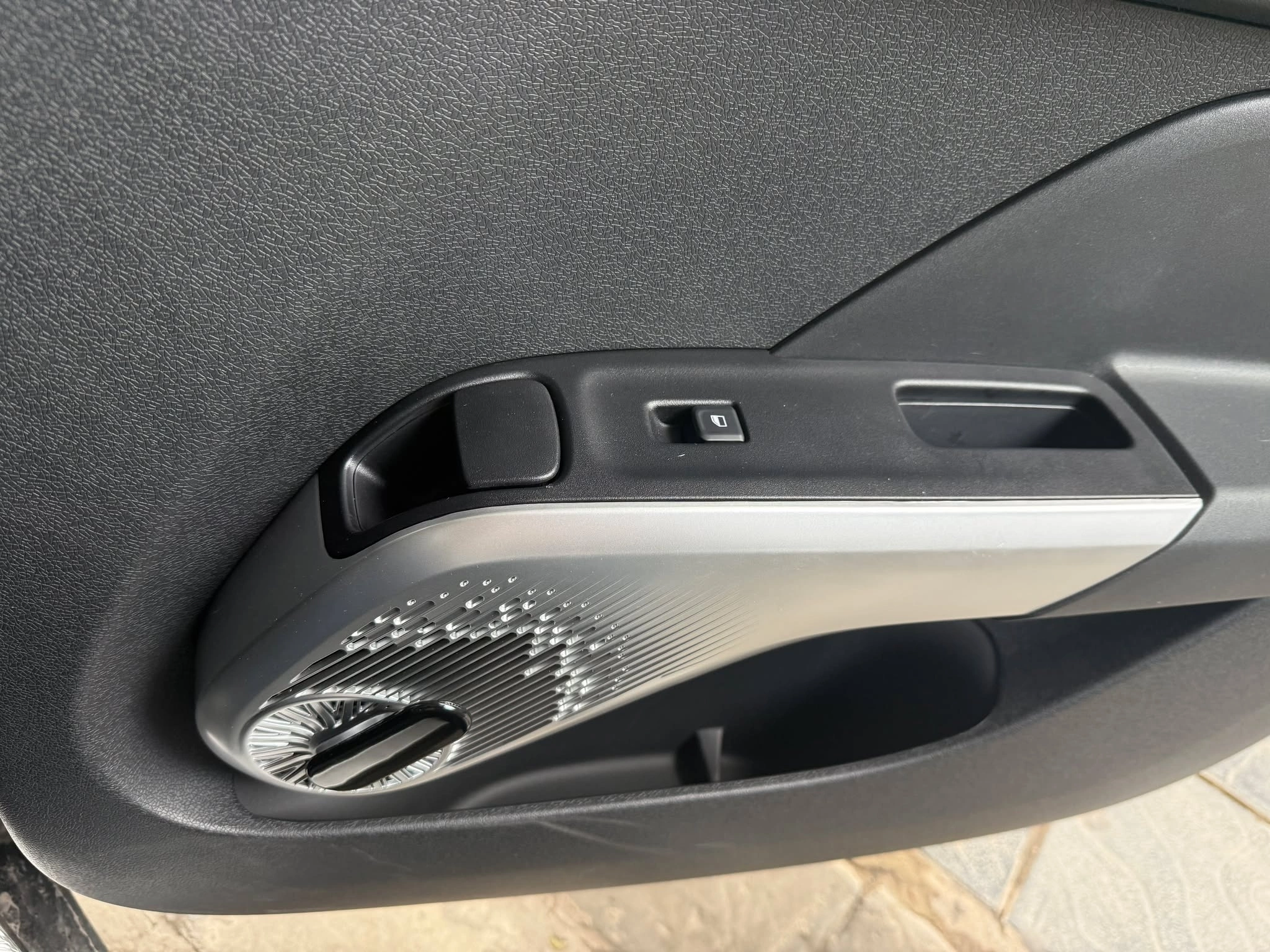 |
The first time you enter the car, you might not know where the latch is to open the door and exit. |
This might sound unsophisticated, but it comes as a shock to many passengers. In traditional car models, the door latch is typically a plastic or metal hook located in a familiar spot. A gentle pull opens the door. However, on many new electric and smart car models, this latch has vanished. Instead, there are electronic buttons, door handles hidden within the door panel, or even a sequence of two or three pushes and pulls required to exit.
I once found myself fumbling for several minutes in a new electric car. In the confined space, I groped around the door panel but found nothing. Eventually, I sheepishly asked the driver to open the door for me. The feeling was a mix of embarrassment and fear. In the event of an emergency, such as smoke or an accident, would we remain calm enough to find that intricate button, often without any clear markings?
Car manufacturers are competing to minimalist interior designs, aiming for a high-tech and luxurious feel. They treat door handles as decorative elements, accessories to be concealed for aesthetic appeal. However, they overlook that components related to life safety must be prioritized.
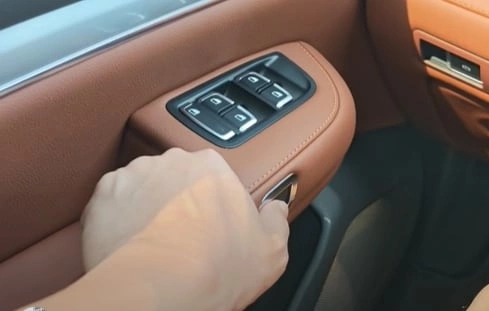 |
While other buttons have illustrative icons, the door opening button often has no markings. |
Replacing mechanical mechanisms with electronic buttons poses significant risks. If a collision causes a complete power loss, these buttons can become useless. Manufacturers always state there are emergency release latches, but they often hide these in difficult-to-find locations, such as under seats, in storage compartments, or behind plastic panels. In a life-or-death situation, even a healthy young person might panic. How can an elderly person or a child remain composed enough to perform such complex procedures? A car, no matter how smart, with dozens of airbags or advanced autonomous driving systems, fails in safety design if it does not allow passengers to exit as quickly as possible.
I believe regulatory bodies need to be stricter in standardizing the position and operation of door latches. Innovation is good, but it should not be overdone on life-critical components. A car door should be something anyone, from a 5-year-old child to an 80-year-old senior, can open instantly with a natural reflex.
Car manufacturers must stop challenging users. True luxury does not lie in touch-sensitive buttons or minimalist designs, but in the peace of mind passengers feel when entering a vehicle. The door handle, which is a gateway to safety, should not become a "bottleneck" merely for aesthetic goals that are detached from reality.
Reader Hai Duong