The Ministry of Finance is currently seeking public feedback on a draft circular that outlines the proposed fee waivers for the aviation sector. These waivers primarily concern airline operations and auxiliary businesses. They include fees for aircraft registration certificates, appraisal of aircraft purchase and sale documents, and examinations for flight crew members, flight attendants, and ground staff. Notably, this list excludes service fees directly incorporated into passenger ticket prices, such as security screening and check-in procedures.
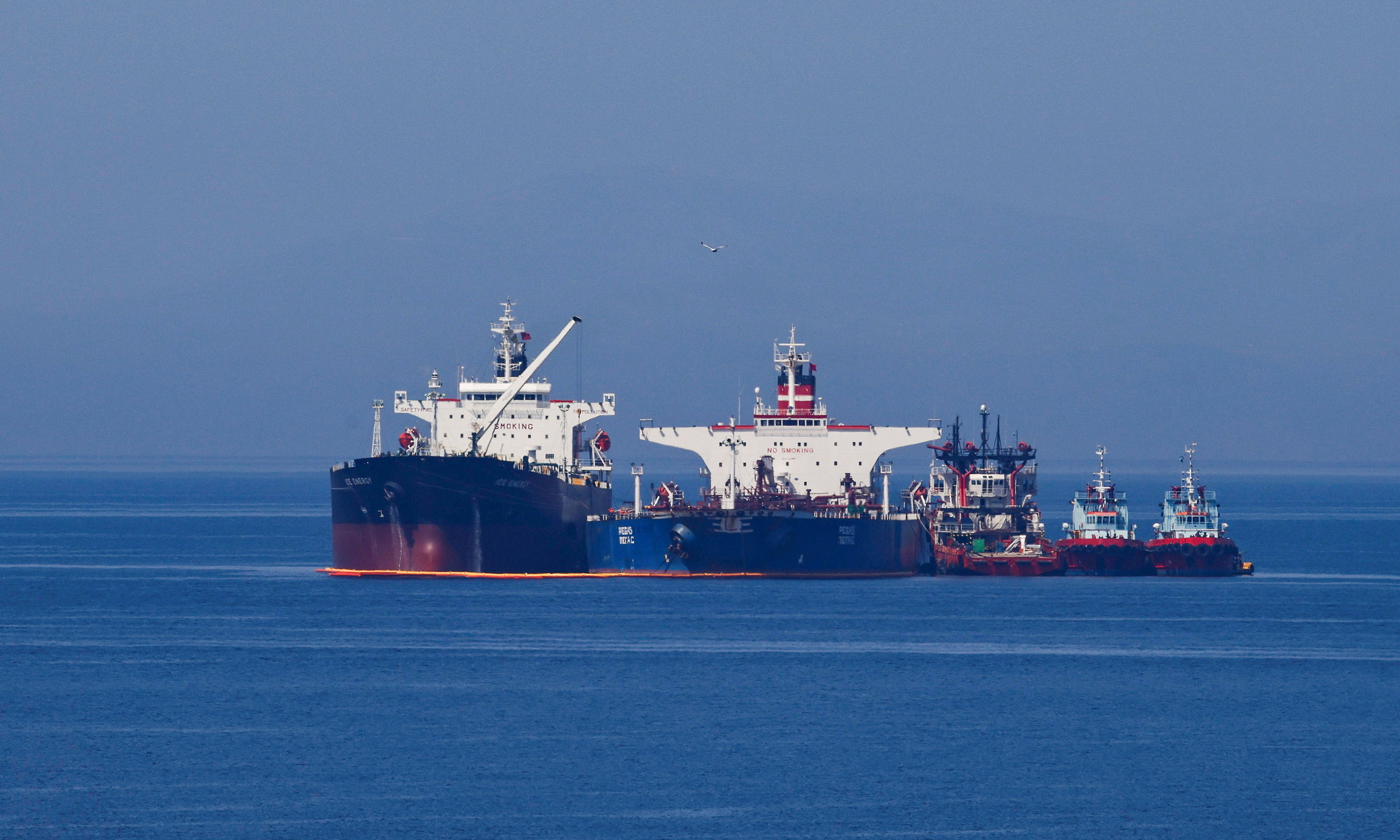
For the maritime sector, the waived fees relate to navigation assurance, mooring space usage, and port entry and exit.
If approved, the circular will take effect from tomorrow, 1/4, and remain valid until the end of this year.
According to the Ministry of Finance, the volatile and high global fuel prices have placed immense pressure on the profit margins of maritime and aviation transport businesses. Therefore, the fee waiver policy must be implemented urgently to help businesses reduce direct operating costs. This measure aims to curb the increase in transport freight rates and ensure the continuity of domestic and international goods supply chains.
The Ministry of Finance views aviation and maritime as two vital arteries of international trade. Any disruption or sudden price increase in these sectors would lead to a ripple effect, increasing the cost of imported goods and raw materials for domestic production. Consequently, beyond supporting businesses, the fee waiver policy will contribute to curbing inflation, stabilizing market prices, and alleviating cost burdens for citizens.
The agency estimates that the proposed fee waivers could reduce state budget revenue by approximately 3,553 billion dong. Of this total, the maritime sector accounts for a reduction of 3,335 billion dong, while aviation accounts for 218 billion dong.
A few days ago, the Prime Minister decided that gasoline, diesel, and jet fuel would be subject to a 0 dong environmental protection tax, a 0% special consumption tax, and would not require VAT declaration or calculation. This decision is effective until 15/4.
The Ministry of Finance is also proposing to extend the application of these tax reductions for petroleum products from 16/4 until 30/6. Under the new tax rates, the state budget is estimated to lose an average of 7,200 billion dong in revenue each month. This measure is considered financial support to help citizens alleviate difficulties and to boost production and business activities for enterprises.
Phuong Dong