The Ministry of Finance recently submitted an explanatory report on the draft National Assembly Resolution concerning environmental protection tax, value-added tax (VAT), and special consumption tax for petroleum products.
The drafting agency agreed with the Ministry of Industry and Trade's proposal to add kerosene and fuel oil to the list of goods exempt from value-added tax and environmental protection tax. These two items were not proposed for special consumption tax reduction, as they are not subject to this tax.
Currently, environmental protection tax, value-added tax, and special consumption tax for gasoline (excluding ethanol), diesel, and jet fuel are 0, according to Prime Minister's Decision 482. Meanwhile, kerosene and fuel oil are still subject to an environmental protection tax of 1,000 VND per liter/kg and a 10% value-added tax.
According to the Ministry of Industry and Trade, kerosene accounts for a small proportion (0,1%) of the economy's total petroleum consumption. However, about 40% of this product's output is used for lighting in remote areas.
Amid ongoing conflict in the Middle East, kerosene prices have risen sharply, currently standing at 35,380 VND per liter, 83% higher than at the end of February. Over the past month, prices for this item at one point exceeded 40,000 VND – a record high to date.
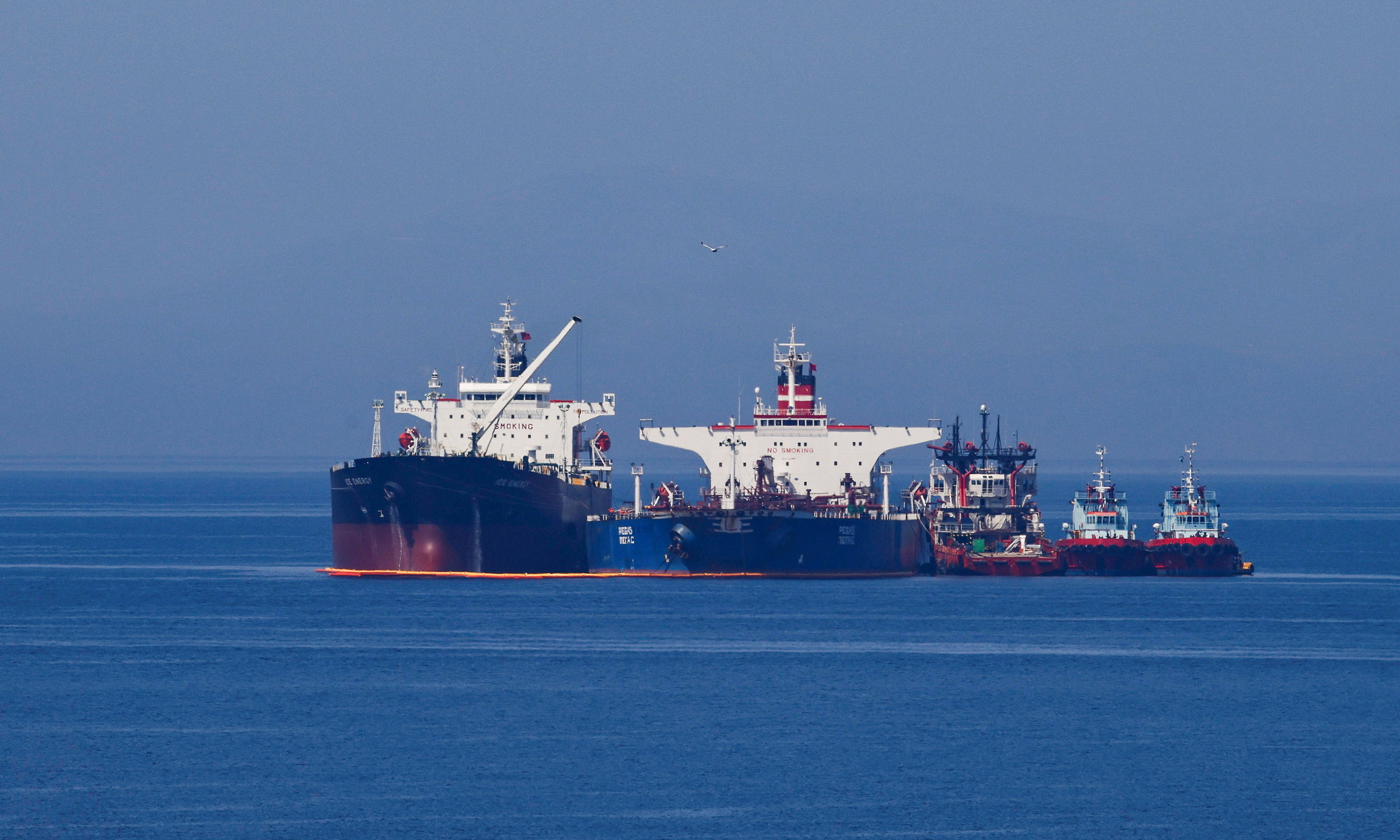
As for fuel oil, this item accounts for 1,5% of total petroleum consumption. It serves as an input material for production in various industrial and transportation sectors, including: electricity generation (thermal power), industrial boilers, kilns for cement, bricks, steel, and petrochemical processes. It is also a primary fuel for ships, cargo vessels, and large oil tankers.
Similar to kerosene, fuel oil prices have also fluctuated significantly, currently at 21,740 VND per kg, an increase of about 38% over the past month.
Environmental protection tax, value-added tax, and special consumption tax are indirect taxes levied on goods and services during consumption. Reducing petroleum tax rates to 0 will directly lower costs for citizens, decreasing prices of goods, services, transportation, and living expenses. This contributes to improving purchasing power and stabilizing livelihoods, especially amidst rising living costs.
The draft Resolution on tax reductions for petroleum products is expected to be submitted to the National Assembly at the session opening on 6/4. This policy is anticipated to be effective until the end of June, once approved by the National Assembly.
Phuong Dung