On 25/2, Deputy Prime Minister Pham Thi Thanh Tra chaired a meeting concerning the decree on managing individuals holding titles, positions, and state capital representatives in enterprises.
According to the deputy prime minister, the draft decree should include a specific provision for a pilot mechanism to hire general directors for state-owned enterprises.
"When implementing a hiring mechanism, rigid requirements regarding planning, seniority, or time in office may not apply, as long as the chosen individual possesses strong management capabilities and delivers tangible results," she stated, adding that once authority is delegated, it must be genuine, without excessive layers of approval that diminish corporate autonomy.
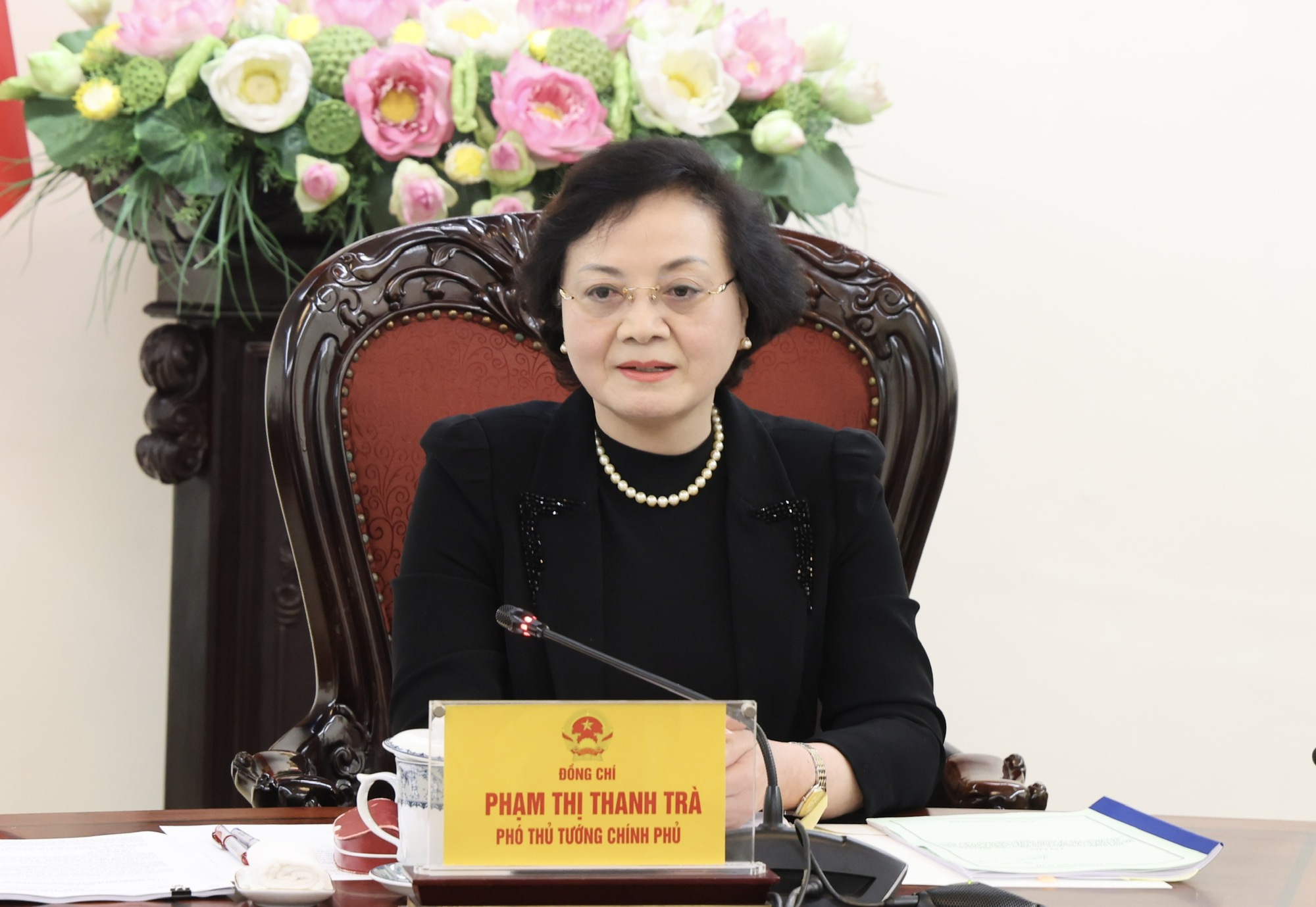 |
Deputy Prime Minister Pham Thi Thanh Tra speaking at the meeting on the afternoon of 25/2. *Photo: Thu Giang*
Regarding annual evaluations and rankings, the deputy prime minister called for innovation, allowing enterprises to implement key performance indicators (KPIs) or other advanced methods, rather than relying on administrative assessment mechanisms.
The draft also needs to incorporate stringent power control mechanisms to ensure transparency, openness, and prevent conflicts of interest. "In cases of risks arising from objective causes, clear regulations are needed to protect implementers, fostering a sense of security for innovation," she noted.
By 2025, the country will have 671 state-owned enterprises, accounting for 0,23% of total businesses but holding assets exceeding 4 million ty dong. They contributed 27,2% to the total state budget revenue, according to 2024 data. Meanwhile, state-owned commercial banks held total assets of 9,36 million ty dong, representing approximately 50% of the credit market share across the entire system.
Deputy Prime Minister Pham Thi Thanh Tra reiterated the core principle behind drafting the decree: a strong shift from administrative management towards developmental creation and modern governance. By 2030, all state-owned corporations and general companies will adopt governance principles aligned with OECD standards (leading international corporate governance standards).
Decentralization and delegation of power must be strengthened, clearly delineating appointment authority between the Prime Minister, owner representative agencies, and enterprises to ensure no overlaps or gaps in responsibility. The deputy prime minister emphasized focusing on two key positions: chairman of the board of members and general director. These roles are critical in strategic planning and organizing production and business operations.
In addition to clear decentralization mechanisms, the document needs to specify "necessary, urgent" cases for competent authorities to appoint, dismiss, remove from office, and execute personnel procedures. This regulation aims to ensure operational flexibility and meet developmental requirements at each stage.
The Ministry of Home Affairs is tasked with finalizing the draft through an expedited process, submitting it to the Government in March.
Vu Tuan