Iran is grappling with one of its worst socioeconomic crises in a decade, marked by near-zero GDP growth, surging inflation, and escalating geopolitical and social instability. According to International Monetary Fund (IMF) estimates in January, Iran's real GDP is projected to grow by just 0,3% in 2025, a sharp decline from previous years (3,7% in 2024 and 5,3% in 2023).
Before the conflict, Iran's inflation had already reached nearly 50% in February, according to the country's statistics agency. After more than 5 weeks of conflict, economic problems have intensified. Beyond the daily fear of attacks, the most visible impact of the conflict is a new spiral of price increases, affecting everything from essential goods like food, beverages, medicine, and diapers to lunches at upscale restaurants in the city.
In the suburbs of the capital Tehran, Amir, 40, told AFP that the price of the bread he usually buys suddenly jumped from 700,000 rial to one million rial (about 0,75 USD). A friend of his also had to pay 180 million rial for a cancer pill that cost only three million rial before the conflict. "And he has to buy 20 pills every day", Amir said.
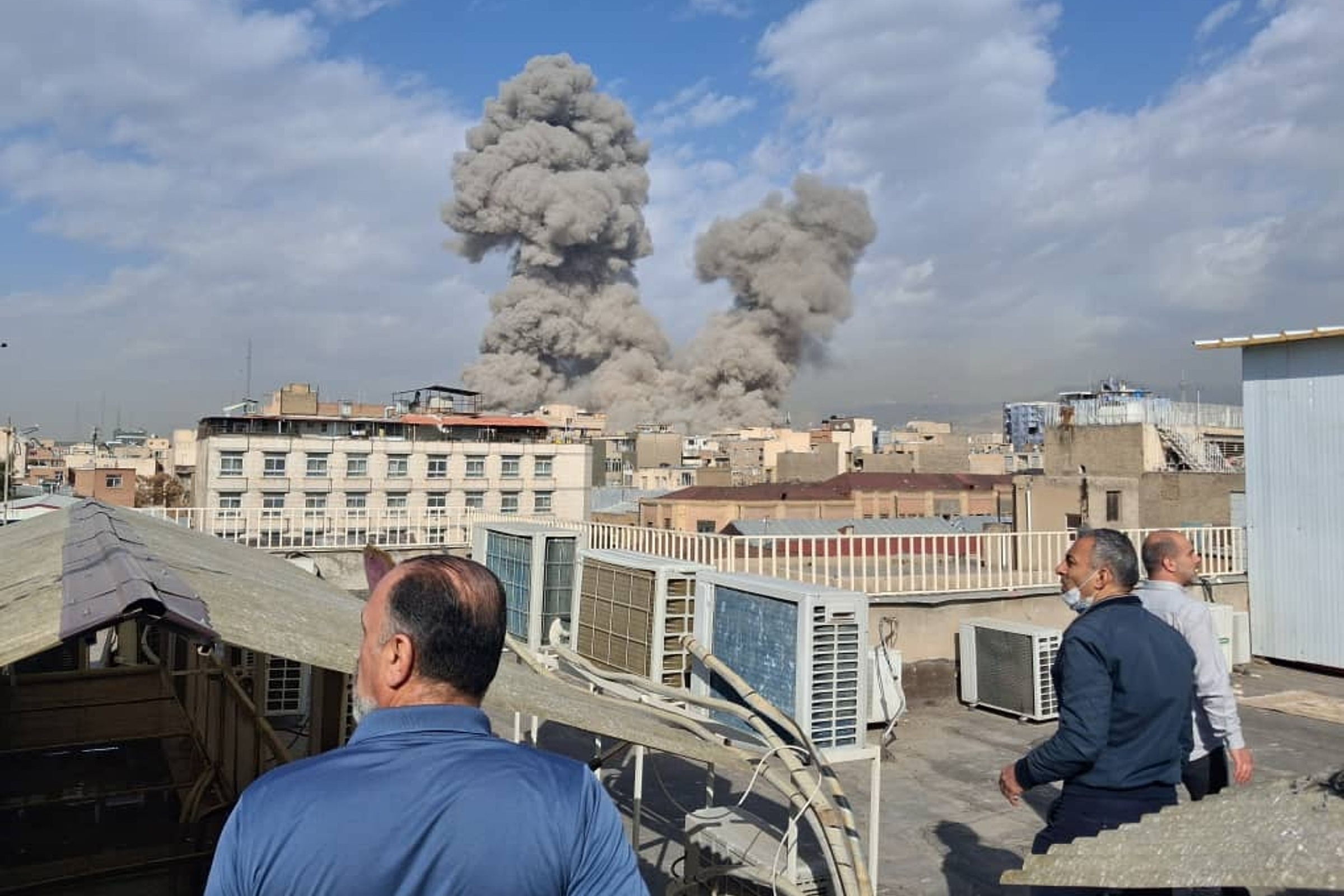 |
People watch smoke rise after an explosion in Tehran, Iran, on 28/2. Photo: AP
Kaveh, an artist in Tehran, noted that the popular Dobar cafe in central Tehran "increased prices by 25% on all items in just one day". Even in northwest Iran, an area typically supplied with abundant imports from Turkey, "some products have tripled in price", a 50-year-old woman told AFP.
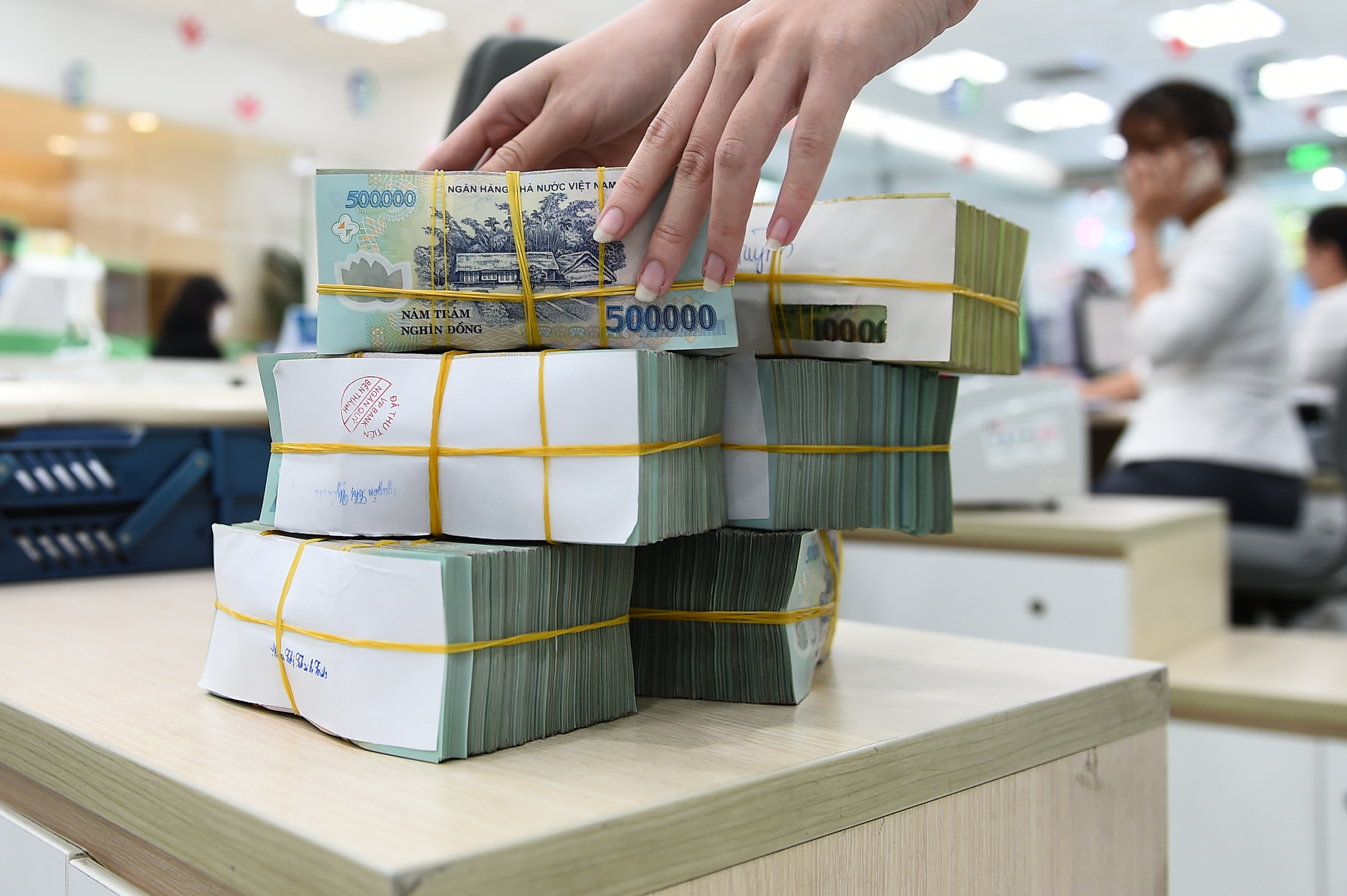
Recognizing the rapid rise in inflation, the Central Bank of Iran mid-last month issued a 10 million rial banknote, the highest denomination currently in circulation. A month prior, the agency had launched a five million rial note, which was also a record at the time, reflecting the severe depreciation of the local currency since last June's conflict with the US and Israel.
As rising prices put further pressure on household budgets, many people also faced unemployment. The conflict forced numerous businesses to close, leaving workers in precarious situations and uncertain about their wages.
Markets nationwide shortened their operating hours, and construction companies laid off many workers. A significant number of these were migrant workers from Afghanistan. "When the conflict started, job opportunities became scarce and people stopped building", Faizullah Arab, a 23-year-old painter, said upon returning to Afghanistan last weekend.
"Business owners have gone abroad, so business has also stopped", Walijan Akbari, a 42-year-old worker, added.
Those dependent on the internet or e-commerce have also faced difficulties over the past 5 weeks, as only Iran's restricted domestic network remained operational. "I am truly worried about our future, especially economically. Mass layoffs, widespread closures... everything is overwhelming", a 35-year-old woman working in finance in Isfahan said.
Airstrikes targeting Iran's steel industry, a vital sector for many industries, along with petrochemical facilities and infrastructure like bridges and roads, are likely to have long-term impacts on the economy. Adnan Mazarei, a former senior official for the Middle East at the International Monetary Fund (IMF), stated that the banking system post-conflict is also a significant concern.
"Before the conflict erupted, banks were already in a difficult, vulnerable state, with weak balance sheets", he said. Mazarei believes this sector will suffer further shocks as consumers and businesses become unable to repay debts.
ATM withdrawals were restricted during the conflict to prevent mass cash runs. However, cards and online banking services generally remained functional for most of the conflict.
The most recent collapse was Ayandeh Bank, one of the country's largest private banks. Ayandeh collapsed late last year due to bad debts and 5,2 billion USD in losses.
Mazarei suggests Iran may need to introduce additional bailout packages, forcing the central bank to print more money. "Of course, this will increase the money supply and continue to push inflation higher", he warned.