Last week, the U.S. Department of the Treasury issued a general license, permitting American companies to buy, sell, transport, and refine Venezuelan crude oil, among other activities. This license, however, did not include operations such as exploration and production, which were previously prohibited under U.S. sanctions.
"President Donald Trump's team is working diligently to ensure oil and gas companies can invest in Venezuela's oil infrastructure", White House spokesperson Taylor Rogers stated on 3/2.
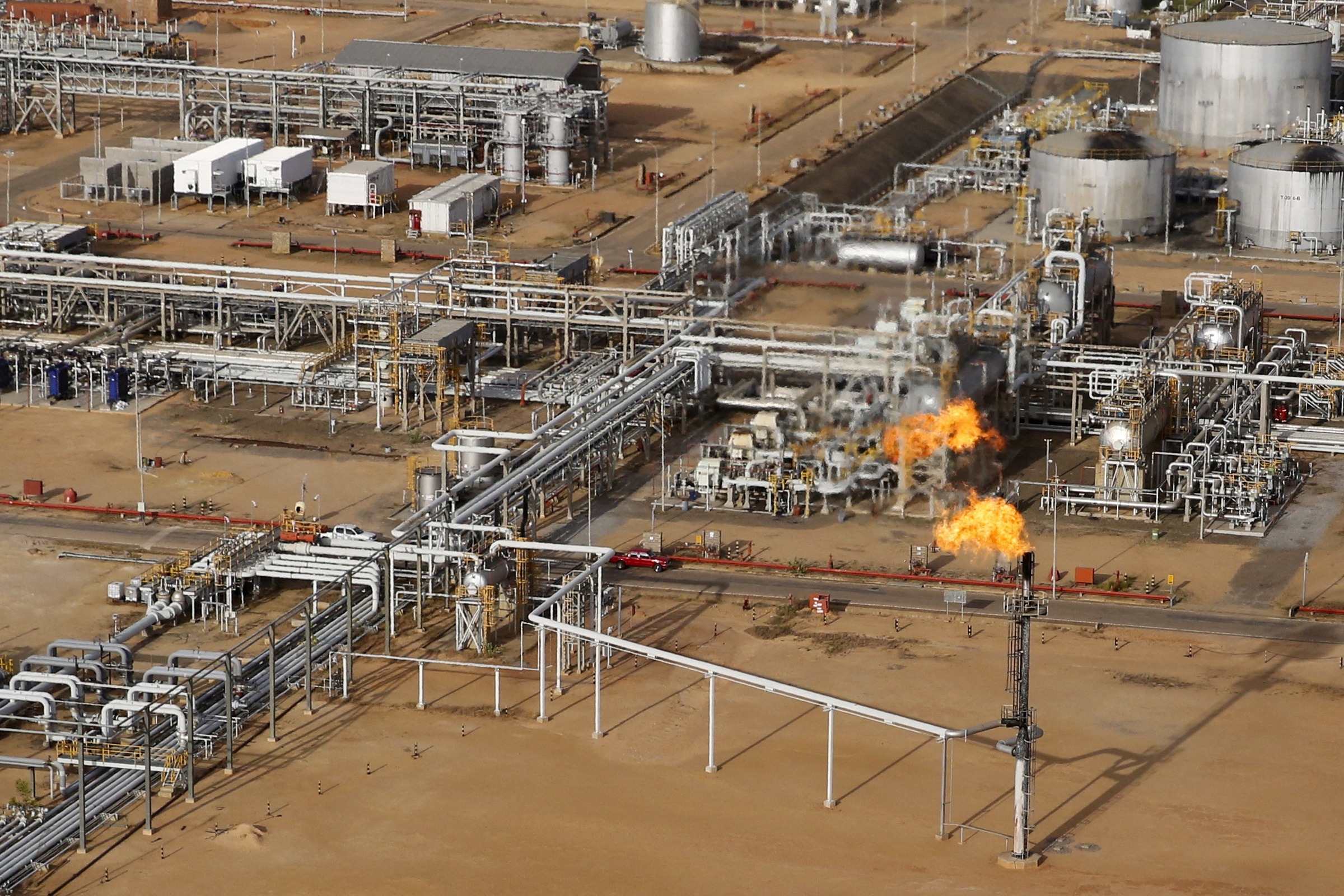 |
A PDVSA heavy oil processing plant in Anzoategui state, Venezuela. *Reuters* |
Currently, Chevron is the sole U.S. company authorized to extract oil in Venezuela, operating under a special license granted by the U.S. Department of the Treasury. The oil major also maintains joint ventures with Venezuela's national oil company, Petroleos de Venezuela (PDVSA).
U.S. President Donald Trump is urging the country's oil and gas industry to invest at least 100 billion USD to repair and restore Venezuela's energy sector. This push follows the U.S. apprehension of Venezuelan President Nicolas Maduro in a raid on 3/1.
Last week, the Venezuelan government also approved reforms aimed at loosening its control over the oil and gas industry and granting more autonomy to private enterprises.
Despite these developments, reactions from oil and gas companies regarding investment in Venezuela remain mixed. During a 9/1 meeting at the White House, ExxonMobil CEO Darren Woods stated that Venezuela requires significant reforms and is currently "uninvestable". Exxon had its assets seized twice by the Venezuelan government. Conversely, independent oil firms and smaller shale companies have expressed enthusiasm for the South American nation's potential.
Chevron CEO Mike Wirth indicated that production in Venezuela could increase by 50% within 18-24 months if approved by the U.S. Currently, Chevron produces approximately 250,000 barrels of oil daily in the country.
Venezuela is a founding member of the Organization of the Petroleum Exporting Countries (OPEC). The latest OPEC data shows that as of 2024, the country holds the world's largest proven oil reserves, totaling 303 billion barrels, which accounts for 17% of the global total.
Ha Thu (according to Reuters, CNBC)