Fourteen novels, short story collections, and poetry volumes are featured on a list of 50 outstanding literary and performing arts works recognized by the Ministry of Culture, Sports and Tourism on 30/11.
**The Sorrow of War (Bao Ninh)**
First published in 1990 under the title "Than Phan Cua Tinh Yeu" (The Destiny of Love), this novel centers on the life of Kien, a romantic young man with many aspirations who is drawn into the brutal vortex of war. Witnessing profound losses, he becomes haunted, unable to reintegrate into peacetime society.
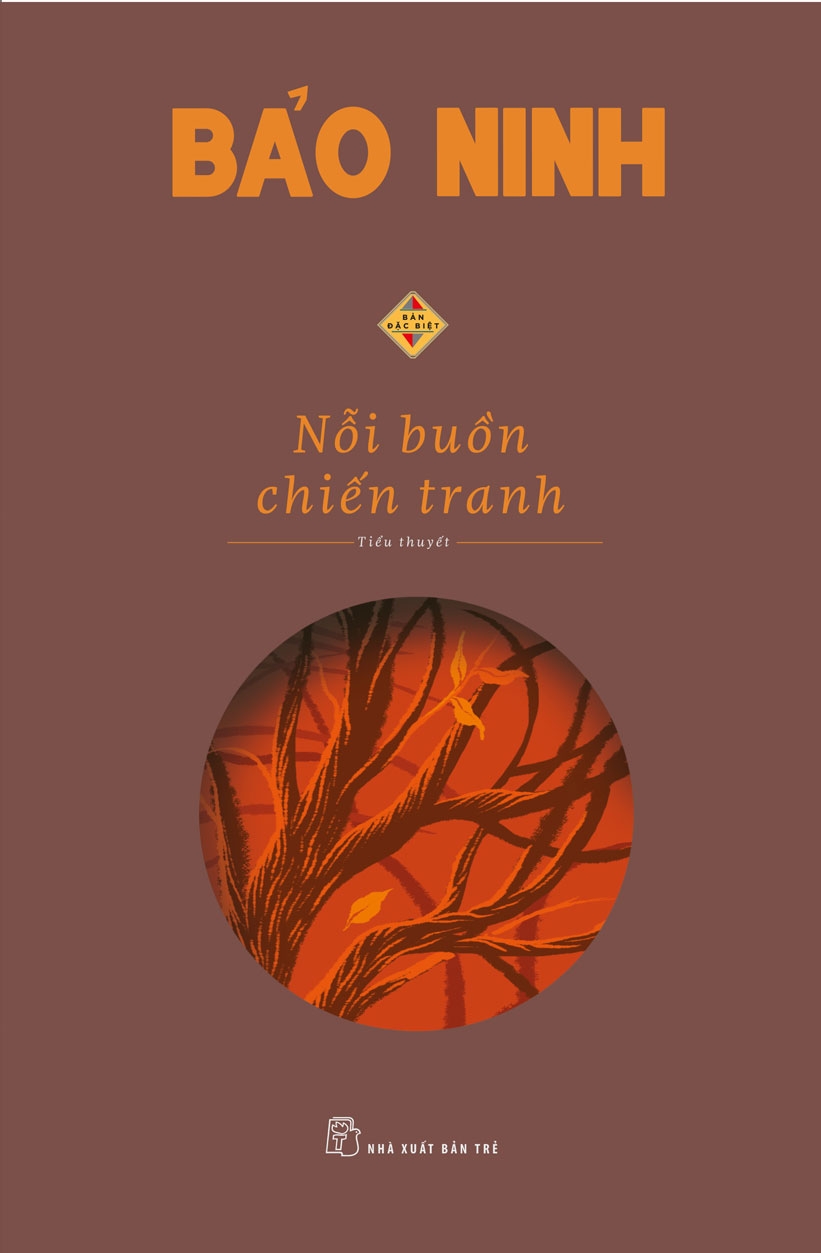 |
Cover of the special edition of "The Sorrow of War". Photo: Tre Publishing House |
The work received the Vietnam Writers' Association Award in 1991. However, the book sparked numerous debates due to the author's fresh perspective on war. On the battlefield, he depicts the suffering faced by both sides. Kien's inner world, with his daily torments and suppressed feelings, is deeply explored.
The recognition of "The Sorrow of War" once again placed the novel and Bao Ninh at the center of literary discussions. Responding to the controversy, author Bao Ninh stated, "I am just an ordinary writer; I do not represent anyone." As a veteran, he affirmed his profound respect for his comrades-in-arms, those who fought and sacrificed for national independence.
**Myself and Them (Nguyen Binh Phuong)**
This novel, released in 2014, was initially titled "Xe Len Xe Xuong" (Cars Going Up and Down). The book recounts two journeys undertaken by Hieu, the brother of a prisoner of war from the Northern border conflict. The upward journey takes him from the lowlands to the Northern mountainous region, where Hieu traces the fragmented notes in his brother's diary to find the footsteps his brother left behind. The downward journey occurs when Hieu is escorted back to the lowlands, suspected of involvement in a murder case.
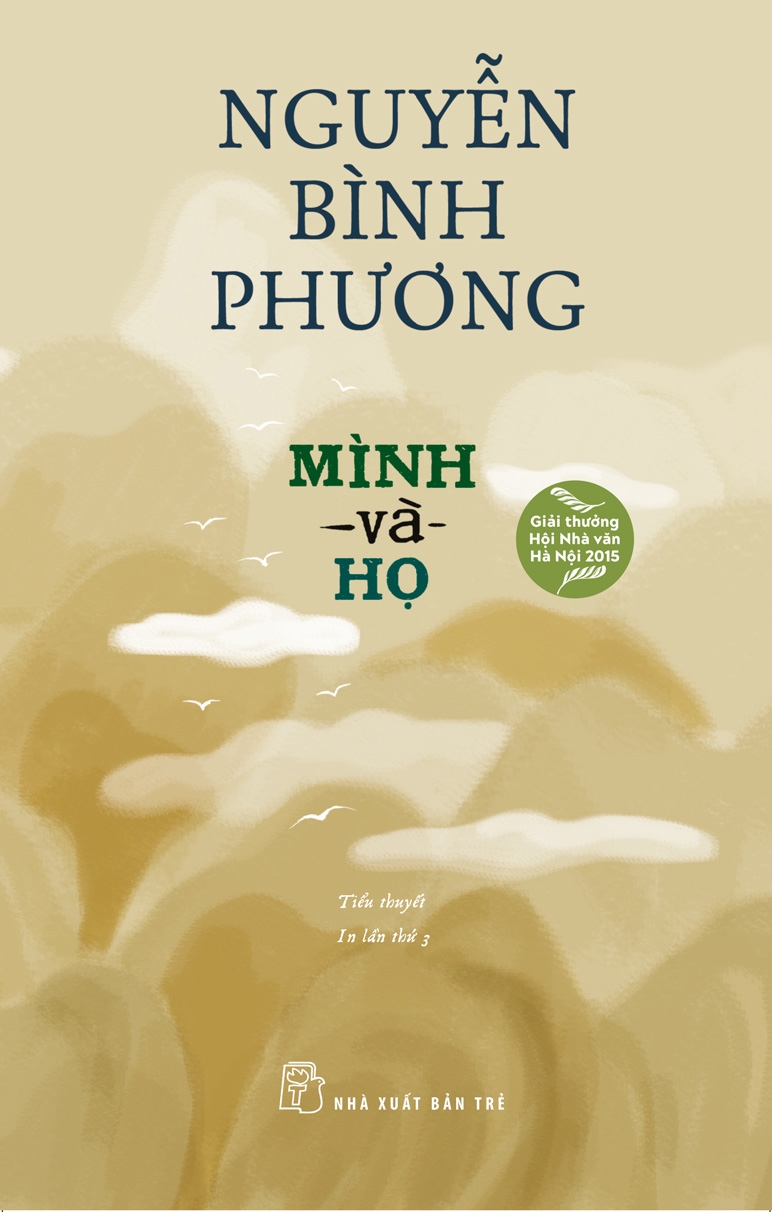 |
Cover of "Myself and Them". Photo: Tre Publishing House |
Many critics consider the work challenging to read due to the author's use of a non-linear timeline, interweaving two stories that oscillate between life and death, past and present. The world within the book is divided into two halves: "myself" and "them," "up" and "down," yet the boundary between these divisions is tenuous and difficult to define. Within this complex narrative, the author poses profound questions about the origins of evil and war.
The novel received the Hanoi Writers' Association Award in 2015 and the first prize in the "Writing about Borders and Islands from 1975 to 2020" competition organized by the Vietnam Writers' Association.
In 2023, the work was translated and published in South Korea. According to Naver, "Myself and Them" is a novel that explores the meaning of war, wounds, and reconciliation through the protagonist's arduous journey.
**Mother Goddess of the Forest (Nguyen Xuan Khanh)**
First published in 2005, this novel delves into Vietnamese culture and customs, depicted through the lives of people in a semi-mountainous Northern village at the turn of the 20th century. Against the backdrop of French invasion, declining Buddhism, and spreading Catholicism, the villagers return to Mother Goddess worship, an ancient indigenous belief system.
The book also portrays Hanoi at the end of the 19th century and the love stories of Vietnamese women in an old village. Associate Professor, Doctor Cao Kim Lan observed that the work "endeavors to seek and reconstruct a spiritual space from which the spiritual core of the Vietnamese people was shaped."
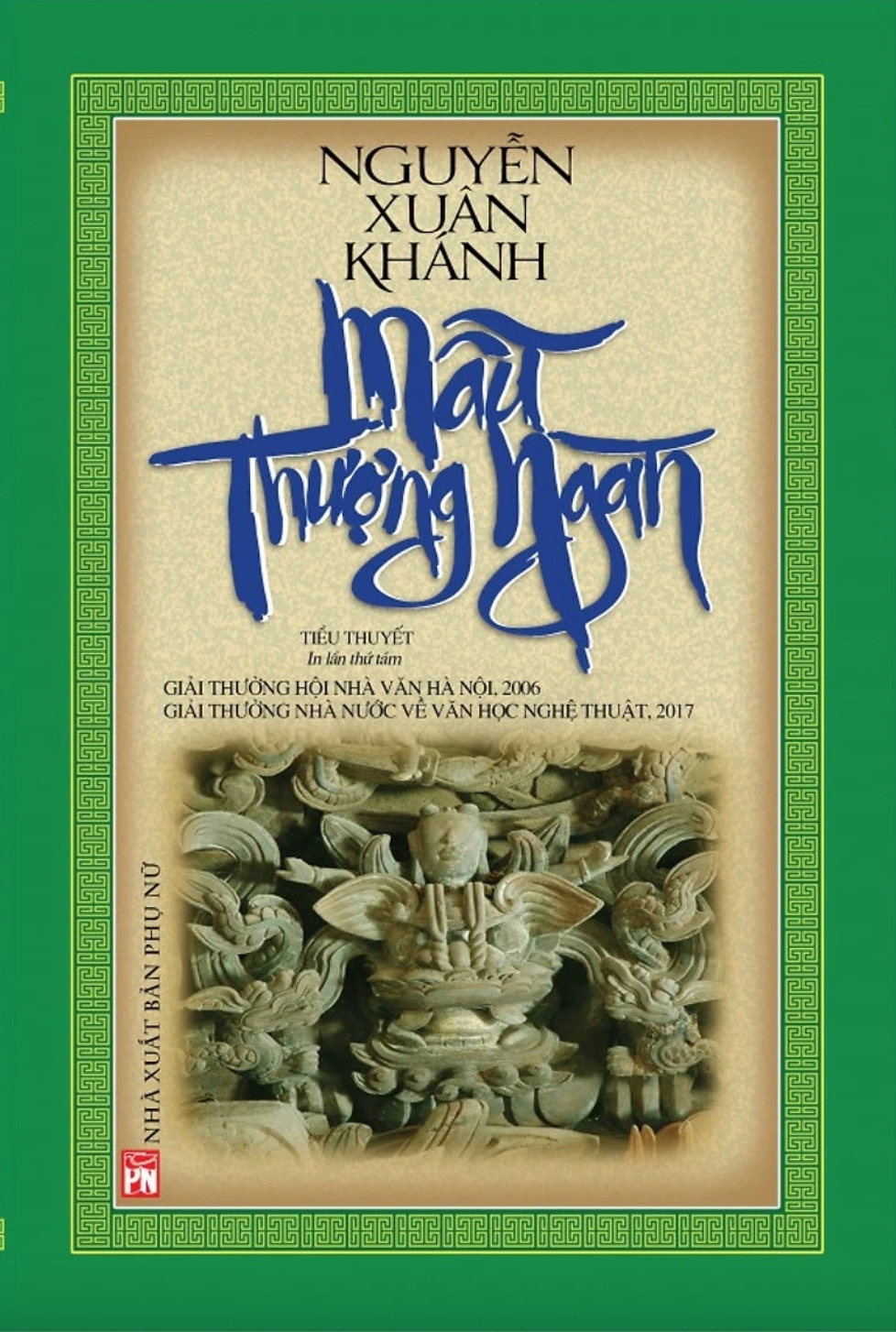 |
The book won the Hanoi Writers' Association Award in 2006 and the State Award for Literature and Arts in 2017. Photo: Vietnam Women's Publishing House |
**The Land of Many People, Many Ghosts (Nguyen Khac Truong)**
Published in 1990, this novel is considered one of the late author Nguyen Khac Truong's most excellent works on rural Vietnam. The book revolves around prolonged conflicts between the Vu Dinh and Trinh Ba clans. Driven by ancestral enmity, the two families constantly employ schemes to undermine each other. Beyond the clan conflicts, the author addresses issues in rural life, depicting the plight of the poor.
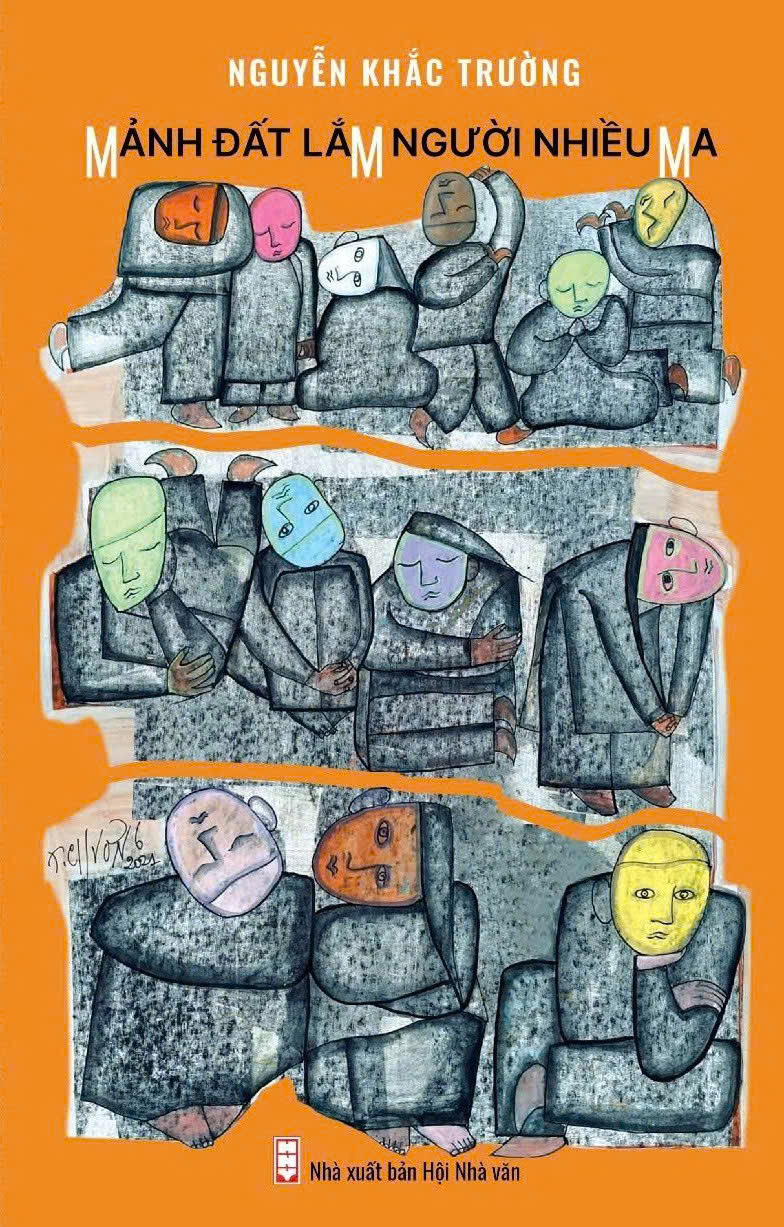 |
Cover of "The Land of Many People, Many Ghosts". Photo: Writers' Association Publishing House |
The work won the Vietnam Writers' Association Award in 1991 and was adapted into the film "Dat Va Nguoi" (Land and People), directed by Nguyen Huu Phan and Pham Thanh Phong, which aired in 2002. In 2017, the play "Manh Dat Lam Nguoi Nhieu Ma" premiered at the Hanoi Drama Theater, adapted by Meritorious Teacher Le Manh Hung and directed by People's Artist Le Hung.
Poet Nguyen Quang Thieu, Chairman of the Vietnam Writers' Association, remarked that the novel "is cemented into modern Vietnamese literature," suggesting that Nguyen Khac Truong's writing in the work resembles a prophecy about the world we inhabit.
**Leaves Falling in the Garden (Ma Van Khang)**
The book is divided into 19 parts, spanning 365 days in the life of Mr. Bang's family. Mr. Bang, an art lover, always wishes to preserve and promote beauty, sharing his life with his five sons. The novel begins during the days leading up to Tet (Lunar New Year) in the Binh Tuat year and concludes with preparations for Tet Nguyen Dan in the Quy Hoi year.
Through this work, author Ma Van Khang emphasizes the role of family in human formation and development. Cu, Mr. Bang's fourth son, is not bright and is considered a family misfortune. When a friend of Mr. Bang visits and reports a lost watch, Mr. Bang insists on blaming his son, chasing Cu out of the house when he was only 13. This harsh childhood leads Cu to live a reckless, undisciplined adult life, abandoning his wife and children. Cu's death makes Mr. Bang realize the error in his conservative and outdated parenting methods.
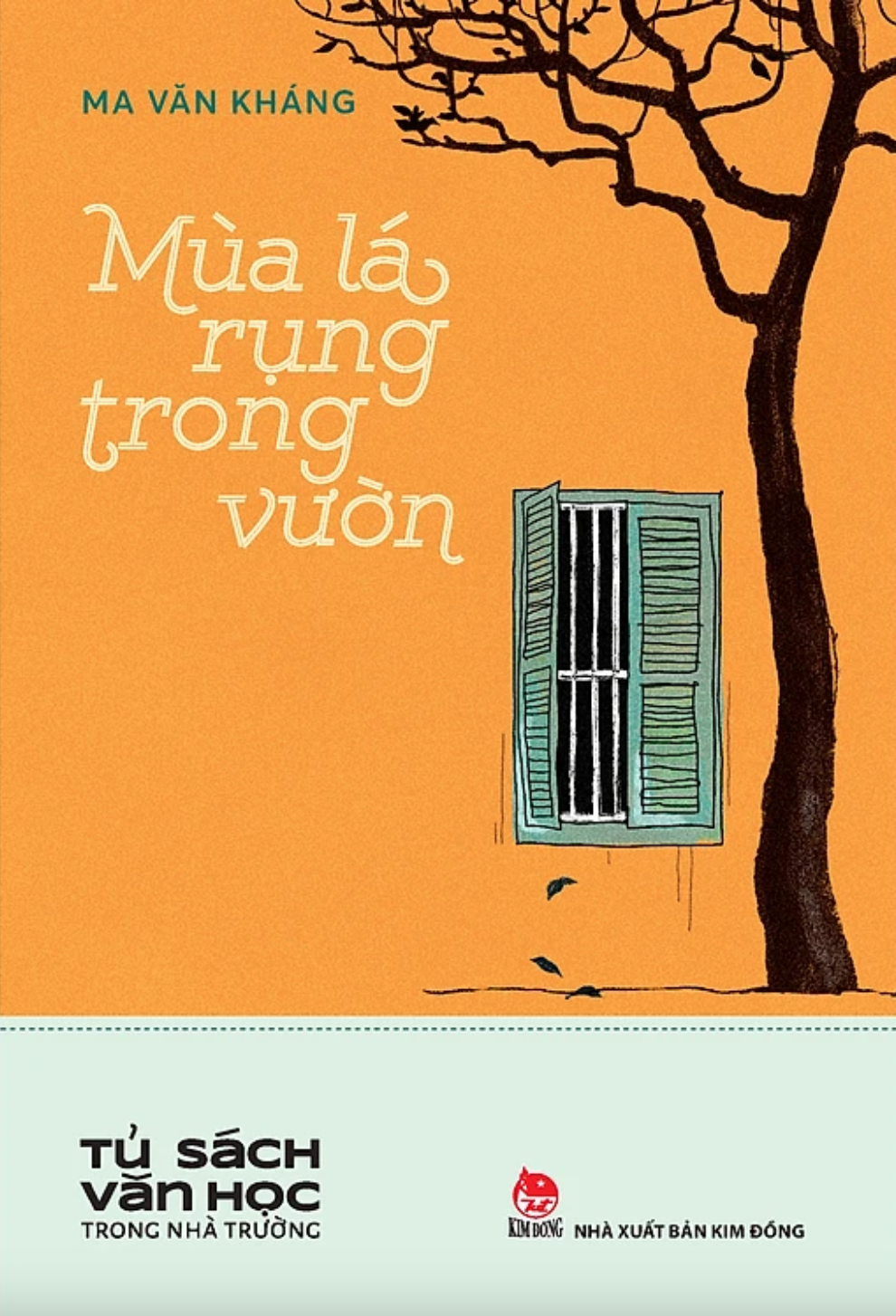 |
The novel was first published in 1982. In 2001, a film based on the work, with the same name and a small detail from Ma Van Khang's "Dam Cuoi Khong Co Giay Gia Thu" (Wedding Without a Marriage Certificate), was aired, directed by artist Quoc Trong. Photo: Kim Dong Publishing House |
The author uses the changing four seasons to reflect the transformations within Mr. Bang's family. For example, spring marks the arrival of new family members, while winter becomes colder as the family experiences losses. Relationships among siblings, in-laws, friends, and colleagues are affected by the opening up of society.
The author places the relationships of those in one household during a turbulent period of the market economy, asserting the importance of family for each individual. He wrote, "Look at life from your family's window, and from life, shine light into each home; that way, everything will become clearer."
**The Water God's Daughter (Nguyen Huy Thiep)**
Nguyen Huy Thiep's romantic, mystical realist short story follows Chuong's journey to find Me Ca. In the opening, the author introduces Me Ca's origin: "During that storm, on Noi beach on the Cai River, lightning struck off the top of a large mango tree. Someone said they saw two intertwined water dragons thrashing, muddying a stretch of the river. After the rain stopped, a newborn baby lay at the base of the mango tree. That baby was the Water God's child."
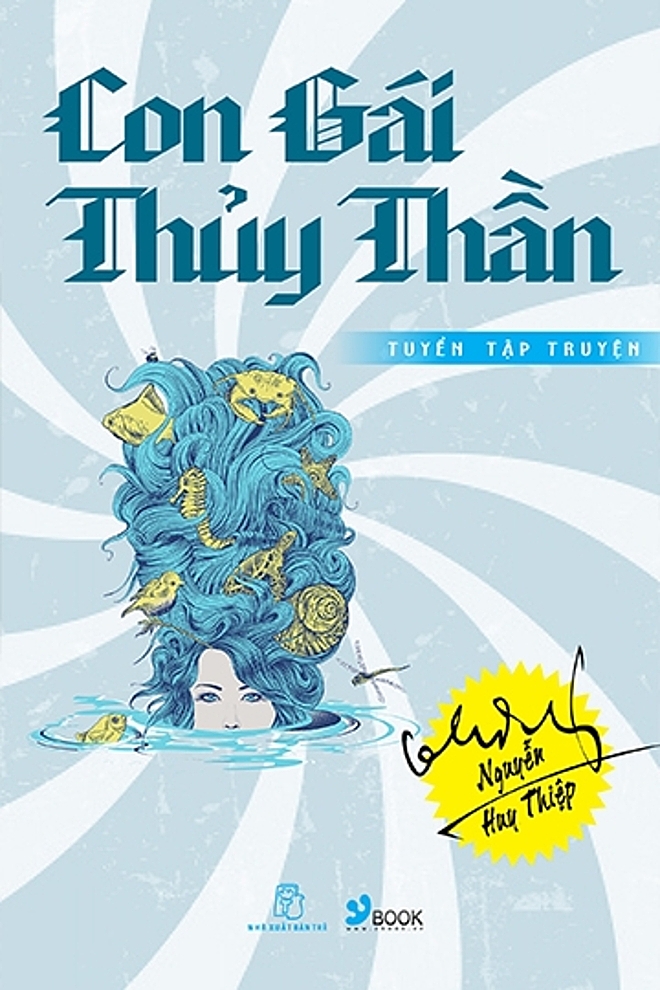 |
The work was published by the Writers' Association Publishing House in 1993. Photo: Tre Publishing House |
During his search for Me Ca, Chuong faces many misfortunes and uncertainties, but sometimes encounters kind people who genuinely love him, though they are not the one he seeks. Half his life passes, and he remains caught in an illusion, hoping to reunite with the water god's daughter.
Unlike literature from the 1945-1975 period, which primarily focused on fighting to protect the homeland and the qualities of laborers on the production front, "The Water God's Daughter" explores the human quest for happiness. The character Me Ca carries a mythical aura, diverging from the heroic figures of earlier literature. Through the work, the author also advises everyone not to lose beautiful things due to dreams and illusions.
>>> See more
Phuong Linh