Tea contains many antioxidants and can offer health benefits when consumed properly. However, according to Healthline, certain unsuitable tea-drinking habits can have adverse effects, especially on the digestive system.
Drinking tea on an empty stomach
Many people have a habit of drinking tea immediately after waking up to feel more alert. However, according to Health Shots, this can irritate the stomach lining because tea contains caffeine and tannins.
For some individuals, particularly those with stomach conditions, drinking tea on an empty stomach can cause stomach cramps, nausea, bloating, or increased stomach acid secretion. If you wish to drink tea in the morning, it is advisable to have a light snack beforehand or consume it about 30-60 minutes after a meal.
 |
Green tea contains many antioxidants. Photo: Bao Bao |
Adding too much sugar to tea
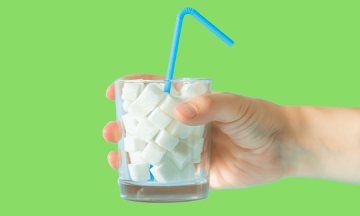
A cup of tea, which is naturally low in calories, can become a high-energy drink if too much sugar, syrup, or heavy cream is added. Regular consumption of sugary teas can increase the risk of overweight, insulin resistance, and fatty liver. Adding too much sugar to tea also diminishes the inherent health benefits of this beverage.
Drinking too much, including herbal tea
According to Healthline, drinking tea in moderation is generally safe. However, excessive consumption can lead to a high intake of caffeine, resulting in insomnia, nervousness, restlessness, headaches, or digestive disorders. For the liver, studies indicate that the risk of damage is primarily associated with consuming large amounts of green tea extract in supplements, rather than drinking regularly brewed tea.
Many people believe that herbal tea is entirely natural and can be consumed freely. However, according to Times of India, some herbs can interact with medications or put stress on the liver if used for prolonged periods or in large doses. Individuals with liver disease, pregnant women, or those taking medication should consult a doctor before regularly consuming herbal teas.
Drinking tea that is too hot
Consuming tea at an excessively high temperature can irritate the lining of the mouth, throat, and esophagus. Drinking overly hot tea can also heighten discomfort for individuals with sensitive digestive systems. Experts recommend allowing tea to cool down before drinking, rather than consuming it immediately after brewing.
Drinking immediately after meals
Tannins in tea can reduce the absorption of iron from food, especially plant-based iron. This generally does not significantly affect healthy individuals but can be detrimental to those with iron-deficiency anemia, pregnant women, or individuals with high iron requirements. To mitigate this effect, it is advisable to drink tea about one to two hours after meals.
Using tea as a substitute for water
Some people have a habit of only drinking tea throughout the day instead of water. This habit can lead to excessive caffeine intake, increasing the risk of insomnia, rapid heartbeat, or gastrointestinal discomfort in sensitive individuals.
Tea can be a part of a daily fluid intake but should not completely replace plain water. Consuming a variety of healthy beverages and maintaining adequate water intake each day remains the best approach to protect one's health.
According to experts, tea provides maximum benefits only when consumed in moderation and correctly. If persistent abdominal pain, nausea, prolonged bloating, or other unusual symptoms appear after regular tea consumption, individuals should seek medical attention to determine the cause rather than continuing to self-medicate with tea or herbs.
Bao Bao (Compiled)