Chemical peels, a popular cosmetic procedure, effectively address concerns like dull skin, acne, hyperpigmentation, enlarged pores, and early signs of aging. Doctors apply chemical solutions at specific concentrations to the skin's surface or superficial dermis. This process removes dead skin cells and stimulates new cell regeneration. As the old skin sheds, new skin emerges, appearing brighter, more even-toned, and smoother. This transformation, however, is not immediate; complete skin recovery requires a specific timeframe.
The desired outcome and timeline for improved skin depend on several factors: the type of peel, initial skin condition, and post-peel care. Immediately after a chemical peel, skin may not show significant improvement. During the first one to two days, the skin might appear slightly red, feel tight and dry, experience mild stinging, or look darker. These are normal reactions as the skin reacts to the acid and begins its regeneration phase.
Three to five days after the peel, skin begins to shed lightly or extensively, depending on individual skin type and the peel's strength. At this stage, old skin cells are removed, making way for new skin. For superficial peels, the skin typically stabilizes after about seven to 10 days. By this time, most shedding has completed, and the skin appears smoother, brighter, and more even-toned than before the peel. Many individuals observe reduced pore size, improved skin firmness, and better absorption of skincare products.
For a medium-depth peel, the regeneration process is deeper, requiring more time for results to become evident. Typically, after about 10 to 14 days, the skin gradually recovers completely, with redness, darkening, or peeling significantly reduced. Skin treated with a medium-depth peel often shows clear improvement in issues like post-acne hyperpigmentation, mild melasma, and rough skin texture.
Deep chemical peels may require several weeks for the skin to achieve optimal appearance. This technique is less commonly prescribed, typically reserved for severe aging, deep wrinkles, or significant pigmentation disorders. Following a deep peel, the skin needs an extended period for complete healing, potentially taking three to four weeks or more to reach a stable state.
Beyond the peel type, the initial skin condition also impacts the regeneration and recovery timeline. Healthy skin, with minimal inflammation or underlying acne, typically recovers faster and shows earlier results. Conversely, sensitive skin, inflamed skin, a compromised skin barrier, or skin previously exposed to harsh cosmetic products may require more time for regeneration.
 |
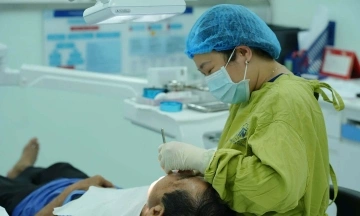
A woman receives skincare at a cosmetic specialty clinic. Illustration: Tam Anh General Hospital |
A woman receives skincare at a cosmetic specialty clinic. Illustration: Tam Anh General Hospital
Post-peel skincare is crucial for achieving optimal results. After a peel, the new skin layer is delicate and sensitive. Inadequate protection or interference with shedding skin can prolong recovery, leading to hyperpigmentation, dark spots, and diminished peel effectiveness. Therefore, individuals should adhere to principles such as thorough moisturizing, diligent sun protection, avoiding early makeup application, refraining from manually picking shedding skin, and not using exfoliating products.
Individual expectations vary; some may be satisfied with brighter, more even-toned skin after seven to 10 days. Others seeking significant improvement in melasma, acne, or wrinkles may require multiple peel sessions over a longer period for optimal results. In many cases, doctors recommend a series of peels, spaced several weeks apart. With each session, the skin progressively improves, extending beyond the results of a single treatment. The best skin appearance typically emerges after two to three treatment courses, once skin structure is visibly refined and pigmentation is stabilized.
It is advisable to consult a dermatologist or cosmetic specialist. They can assess your skin condition and recommend a personalized treatment plan based on your age, skin type, and aesthetic goals. Additionally, the doctor will provide guidance on medical-grade post-peel skincare to ensure optimal effectiveness and minimize complications.
Dr. (First Degree Specialist) Be Thu Thuy
Cosmetic Unit
Tam Anh Cau Giay General Clinic
| Readers can submit questions about dermatology and cosmetic skin conditions here for a doctor's response. |