


A 10-month-old boy named Thanh, with a history of atopic dermatitis, developed red, swollen lesions on his chest that spread to his neck. These lesions blistered, ruptured, and produced pus. He suffered from a high fever and responded poorly to fever-reducing medication.
Dr. Hoang Minh Tien, from the Department of Pediatrics at Tam Anh General Hospital Hanoi, ordered blood tests, which revealed a significantly elevated CRP inflammatory marker of 12,2 mg/dL (normal is below 0,5 mg/dL). A pus culture from the skin lesions, performed two days later, identified the bacterium as staphylococcus aureus.
The doctor diagnosed the boy with soft tissue cellulitis in the neck and chest region caused by staphylococcus aureus. This highly virulent bacterium, belonging to the Staphylococcus family, is commonly found in the environment. It can also reside on the skin and mucous membranes of the nose and throat of healthy individuals without causing any symptoms.
Staphylococcus aureus typically causes minimal harm when it remains on the skin surface. However, when the skin's natural protective barrier is compromised by factors such as scratches, blisters, boils, or impetigo, the bacteria can easily penetrate through pores, leading to inflammation and infection. The bacteria can also spread through contaminated personal items like towels, clothes, and bedding.
Thanh received antibiotic treatment following a specific regimen, combined with nutritional support and wound care. He was discharged from the hospital after seven days.
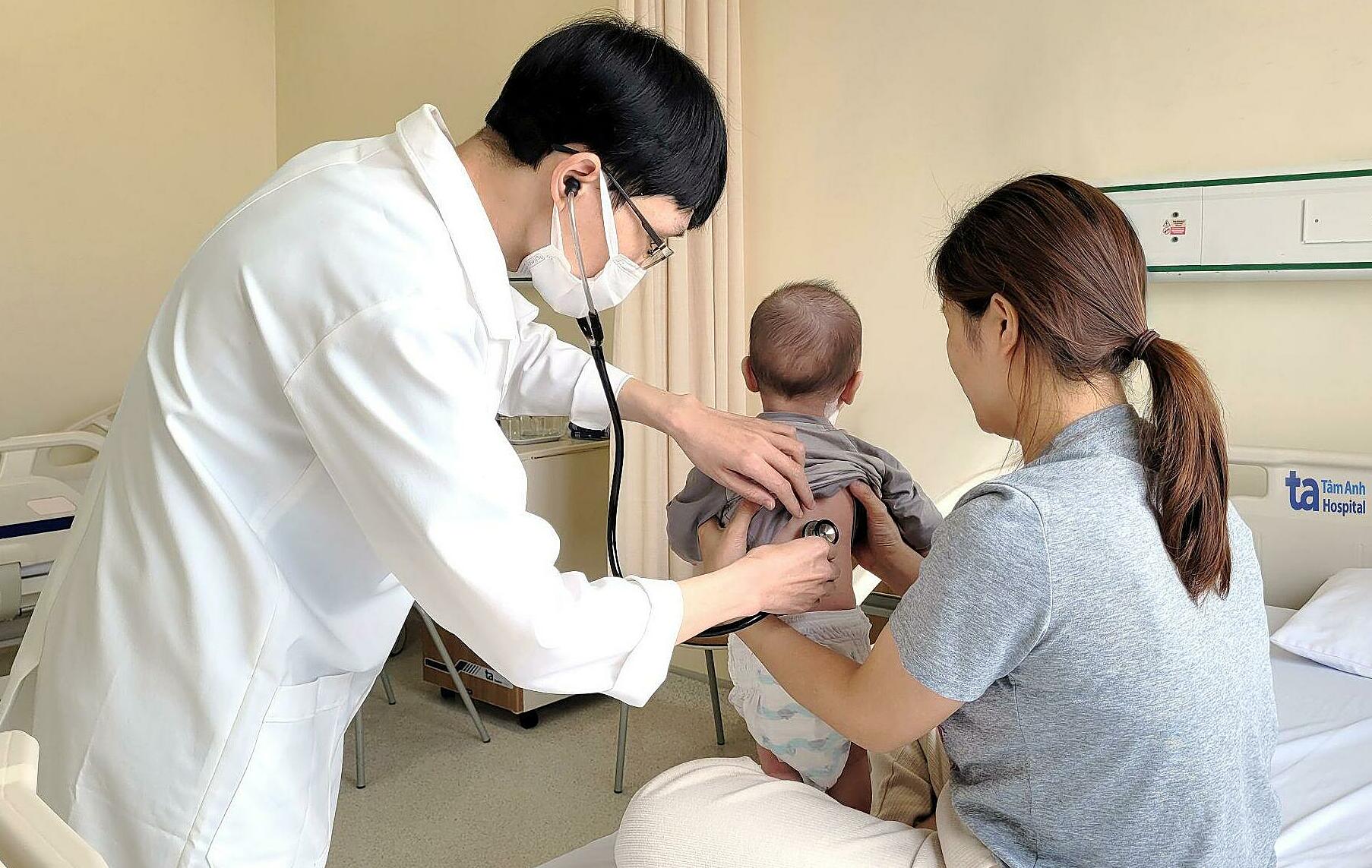 |
Dr. Hoang Minh Tien examining the child patient. Photo: Hai Au |
To prevent staphylococcus aureus infections, Dr. Tien advises parents to prioritize their children's personal hygiene. He recommends dressing children in breathable, sweat-absorbent clothing and avoiding prolonged skin dampness.
When children have boils, scratches, or other skin wounds, it is essential to gently wash the affected area daily with clean water or an appropriate antiseptic solution, as guided by medical professionals. After washing, the wound should be dried and covered with clean gauze. Parents should never attempt to lance or squeeze pimples themselves, nor should they apply unknown herbal leaves or patches, as these actions can worsen skin damage. If a child develops a high fever, experiences fatigue, has a poor appetite, or if skin lesions rapidly progress, families should promptly seek medical attention at a healthcare facility.
Trinh Mai
*Patient's name has been changed


