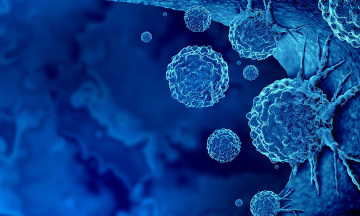
Genital warts are caused by the human papillomavirus (HPV), manifesting as lesions in the genital area, mouth, tongue, lips, and eyes. These lesions can rupture, discharging fluid or blood upon strong impact or friction.
Self-treating genital warts by pricking them with a needle will not accelerate recovery. Instead, it significantly increases the risk of infection, bleeding, and the spread of lesions, potentially disseminating the virus to other parts of the body. Such improper self-management can also complicate treatment, incur higher costs, and lead to frequent recurrences.
Current treatment for genital warts varies based on the location and number of lesions. Options include medication, electrocautery, or surgical removal. However, these methods primarily focus on eliminating visible lesions and alleviating symptoms; they do not fully eradicate HPV from the body.
 |
Doctors at Tam Anh General Hospital perform surgery to remove warts from a patient's throat. Photo: Tam Anh General Hospital
Individuals diagnosed with genital warts should seek examination and treatment at a reputable medical facility, strictly adhering to their doctor's instructions. Maintaining hygiene in the affected area and attending scheduled follow-up appointments are crucial. During treatment, abstaining from sexual intercourse is essential to prevent transmission to others and to avoid exacerbating existing lesions. Additionally, a balanced diet, adequate sleep, stress reduction, avoiding late nights, and limiting alcohol intake can bolster the immune system.
Genital warts are primarily transmitted through sexual intercourse and direct skin-to-skin contact. The incubation period can range from several weeks to several months, meaning many individuals may be asymptomatic yet still transmit the virus to their partners. Therefore, prevention strategies include practicing safe sex, undergoing regular health check-ups, and receiving the HPV vaccine as advised by a doctor.
Currently, two types of HPV vaccines are available in Vietnam: Gardasil and Gardasil 9. Gardasil is recommended for females aged 9-26, while Gardasil 9 is suitable for both males and females aged 9-45. These vaccines not only prevent genital warts but also significantly reduce the risk of HPV-related cancers, including cervical, oropharyngeal, and anal cancers. Even individuals previously infected with one or more HPV types can still be advised by their doctor to receive the vaccine to protect against other uncontracted types and prevent reinfection.
Dr. CKI Nguyen Le Nga
Medical Manager, VNVC Vaccination System
Readers can submit vaccine-related questions for doctors to answer here.