


The essential need for hydration has led to a surge in electrolyte drinks. These products are advertised to replenish minerals lost through sweat, aiding body recovery after intense exercise or illness.
Doctor Blake Shusterman states that electrolyte drinks contain minerals such as sodium, potassium, and magnesium, which help balance the body after high-intensity workouts or working in hot weather. However, a common mistake is that many people consume them even when their body does not truly need them, placing significant stress on the kidneys.
The kidneys act as sophisticated filters, maintaining the balance between fluids and minerals. When you consume too many electrolytes, the blood filtration process is disrupted.
- Sodium pressure: Electrolyte drinks often contain high sodium levels. Doctor Shusterman explains that any excess electrolytes must pass through the kidneys to be excreted in urine. Continuously processing high sodium concentrations forces the blood filtration system to work at maximum capacity.
- Long-term damage risk: Doctor Parth Bhavsar warns that this constant filtration pressure can, over time, erode the microscopic filtering units within the kidneys. Instead of aiding hydration, this habit inadvertently burdens the body's "filtration system."
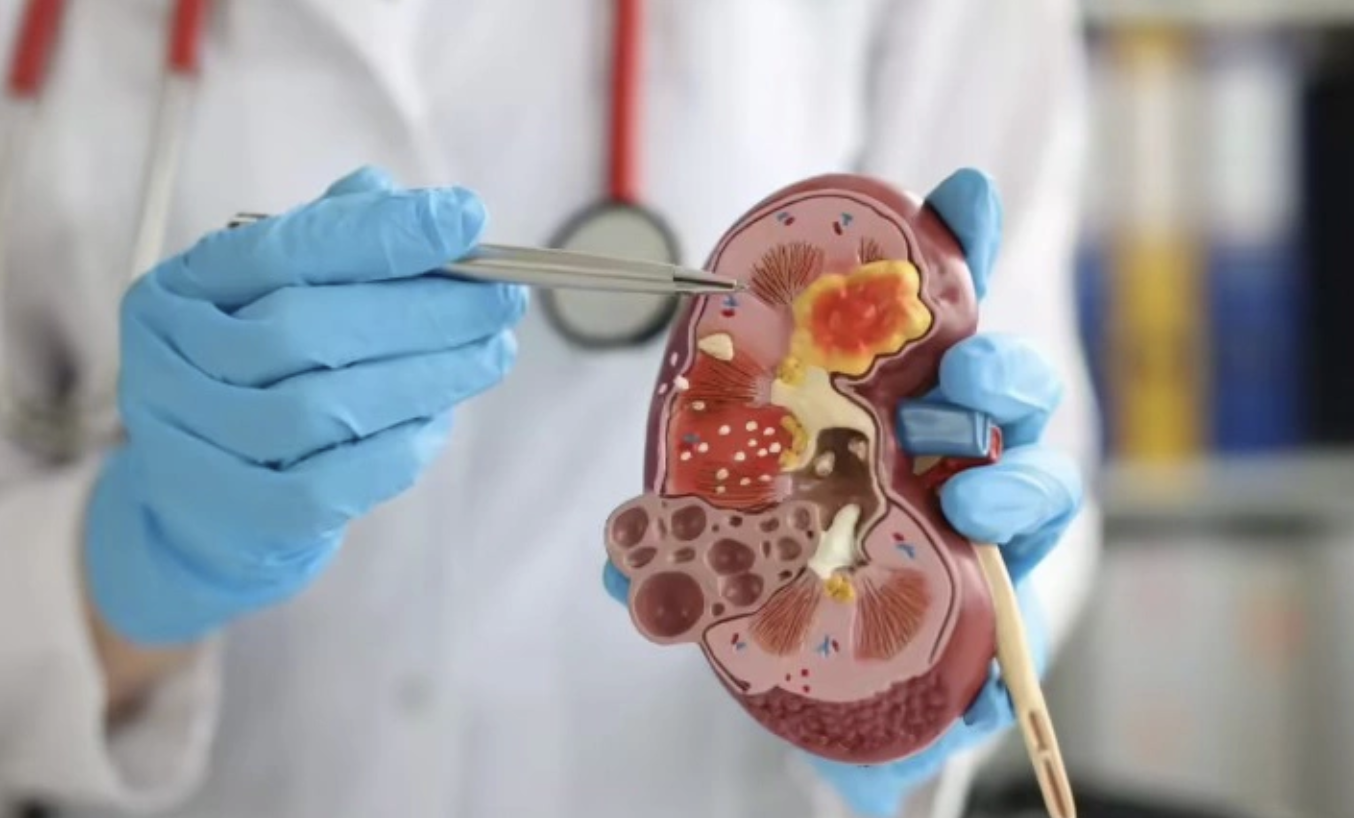 |
Continuously processing high sodium concentrations forces the blood filtration system to work at maximum capacity. Illustration: Times of India |
Maintaining the correct balance between minerals and fluids is vital for nerve and muscle function. According to Doctor George Ellis, excessive electrolyte consumption can lead to sodium and potassium overload, resulting in:
- Acid-base imbalance in the body.
- Acute kidney damage risk.
- Kidney stones.
- Cardiovascular issues.
Doctor Stefanie Diaz states: "For most people, plain water and a balanced diet are sufficient to maintain electrolyte levels." Electrolyte drinks are only truly necessary after prolonged exercise sessions or when the body experiences severe dehydration due to medical conditions.
Specifically, Doctor Shusterman notes that the following groups should exercise caution:
- Individuals with chronic kidney disease.
- Individuals with high blood pressure.
- Individuals using medications that affect kidney excretory function.
To keep the body's "filters" healthy, experts offer the following advice:
- Prioritize plain water: Adequate plain water intake helps kidneys effectively eliminate toxins.
- Eat a varied diet: Fruits, vegetables, and whole grains provide natural minerals without excess sodium.
- Control blood pressure: High blood pressure is a primary "enemy" of the kidneys.
- Reduce salt intake: Cutting down on dietary salt directly lessens the pressure on the kidneys.
Experts advise that electrolyte drinks are a purposeful supplementary product, not a daily replacement for plain water. If you are not engaging in high-intensity exercise that leads to profuse sweating, stick to plain water. If you have underlying medical conditions, consult a doctor before using any mineral supplements.
My Y (According to Eating Well)


