A saleswoman in Tan Nhon Phu ward, TP HCM, reported being diagnosed with high blood pressure in 2022 during a screening check-up for an HPV vaccine. At that time, doctors noted her blood pressure readings repeatedly exceeded normal limits even after rest, advising her to monitor it and see a specialist for disease management.
Duyen did not follow this advice. She believed her blood pressure only rose due to anxiety when seeing a doctor or fear of needles. She also experienced no dizziness, headaches, rapid heartbeat, or fatigue. Consequently, Duyen continued to stay up late, consume salty foods, drink bubble tea daily, and barely checked her blood pressure for several years.
On the evening of 2/7, Duyen's hand was scratched, drawing blood, while feeding a newly adopted stray cat. Concerned about rabies, the next morning she took time off work to visit a medical facility. During the screening, Duyen's blood pressure again soared to over 160/90 mmHg. She had to rest, drink water, and call her mother to calm down. Only by the third measurement did her reading drop to 140/90 mmHg, allowing for further treatment.
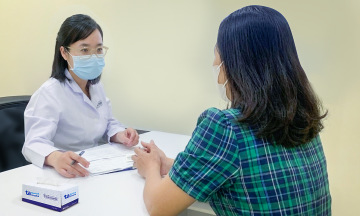
Doctor Dao Thi Kim Thao, a screening doctor at VNVC District 9, reminded Duyen of the importance of blood pressure control, noting that subsequent medical care could be affected if her readings remained high. This reminder made her regret having downplayed the condition for so long.
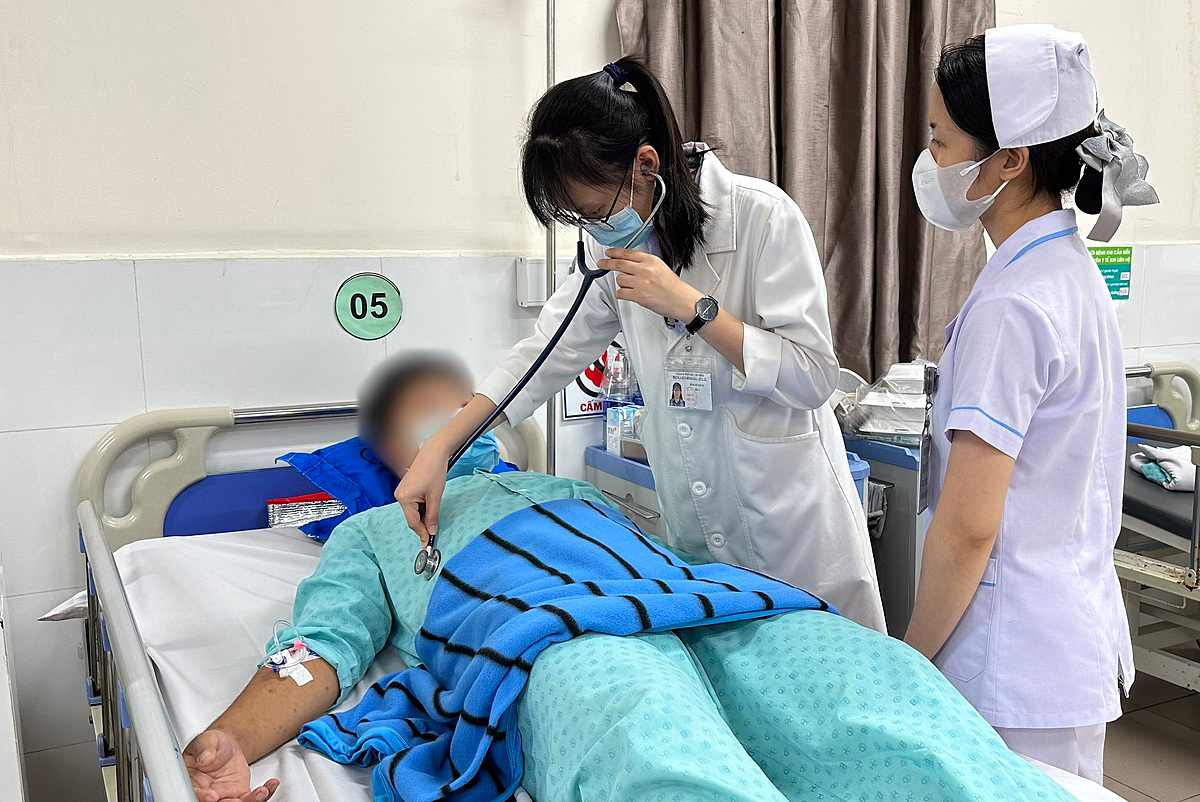 |
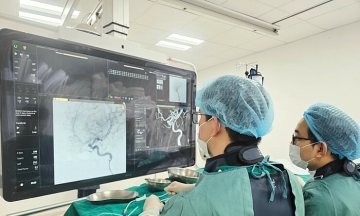
A doctor examines Thanh Hung before dialysis to maintain kidney function at Binh Dan Hospital. *Photo: Tran Nhung* |
Thanh Hung, 23, from Khanh Hoa, presented a more severe case. Two months before hospitalization, Hung frequently suffered from headaches, dizziness, chest tightness, shortness of breath, and occasionally, a numb tongue and blurred vision. His blood pressure readings consistently ranged from 180-220 mmHg. Doctors diagnosed high blood pressure and advised hospitalization to determine the cause, but Hung delayed due to work commitments.
When his headaches became more frequent and unbearable, Hung finally sought emergency hospital care. Test results revealed he had end-stage kidney failure, a complication of uncontrolled high blood pressure. In his twenties, he now requires regular dialysis to maintain kidney function.
According to Doctor Thao, hypertension is a condition where blood pressure against artery walls is higher than normal, typically diagnosed when systolic blood pressure is 140 mmHg or above. The disease is often called the "silent killer" because many people experience no clear symptoms for extended periods, yet it silently damages blood vessels and target organs.
In Vietnam, about 17 million people suffer from high blood pressure, meaning one in four adults has the condition, with over 50% undiagnosed and over 70% untreated. The disease is no longer limited to older individuals. Statistics from the Department of Disease Prevention, Ministry of Health, show that 4,1% of patients are in the 18-29 age group and 12,3% in the 30-39 age group.
Risk factors for high blood pressure in young people include: a high-salt diet, excessive consumption of sweets or fatty foods, smoking, alcohol consumption, physical inactivity, overweight, prolonged stress, and academic or work pressure. Some cases may be linked to kidney disease, endocrine disorders, or genetic factors, requiring medical evaluation to determine the cause.
Doctor Thao explained that prolonged high blood pressure puts immense strain on blood vessel walls, making them prone to damage, hardening, or blockage. When blood vessels supplying the brain, heart, or kidneys are affected, patients face risks of stroke, myocardial infarction (heart attack), heart failure, kidney failure, or vision impairment. These complications can emerge early if patients are complacent, neglecting monitoring and treatment.
Among young people, high blood pressure is often overlooked due to the mindset of "being young, it can't be serious." Many only check their blood pressure during routine health check-ups, pre-procedure screenings, or once symptoms like headaches, chest tightness, shortness of breath, or blurred vision appear. However, by the time symptoms become noticeable, the disease may have already impacted the heart, brain, kidneys, or blood vessels.
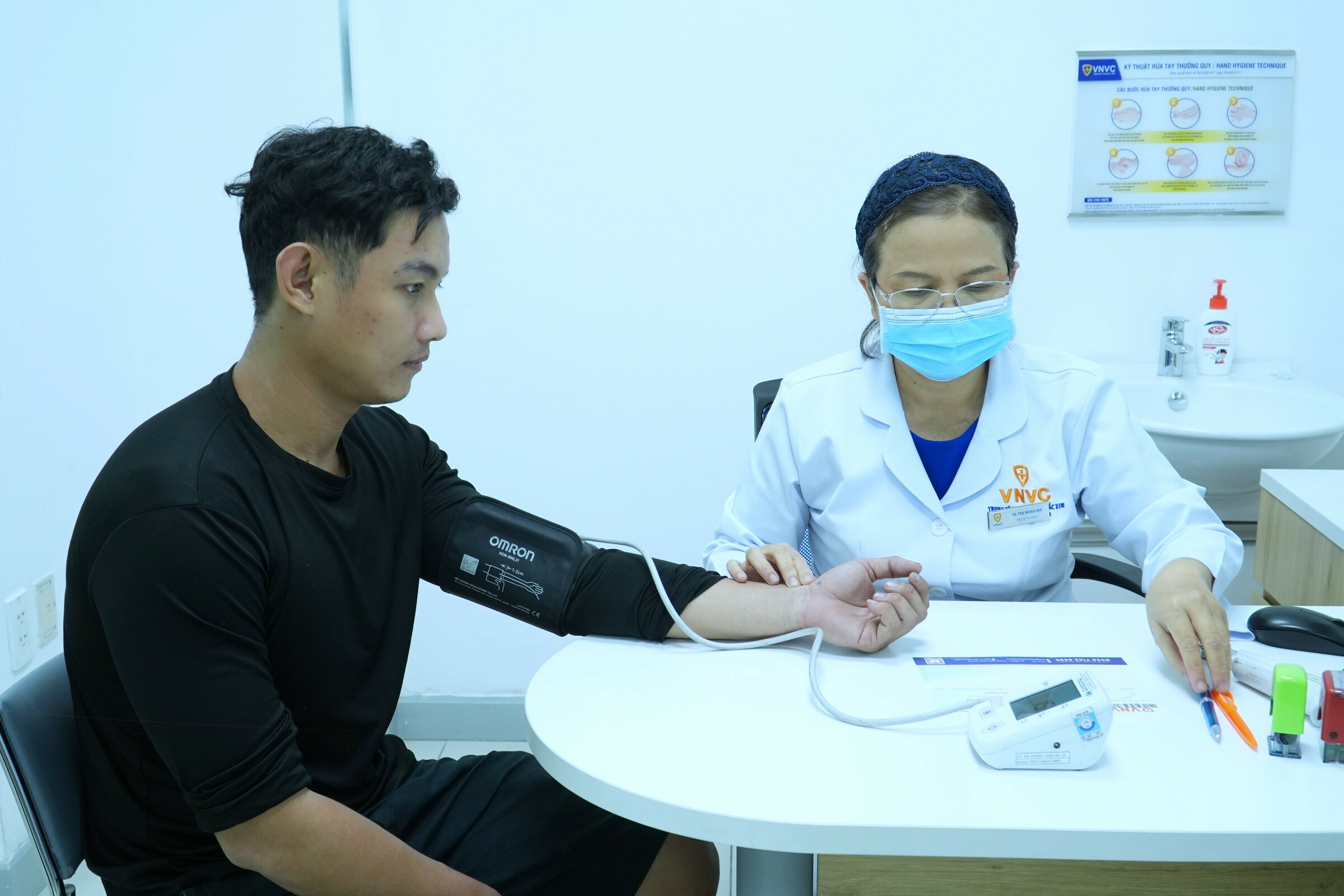 |
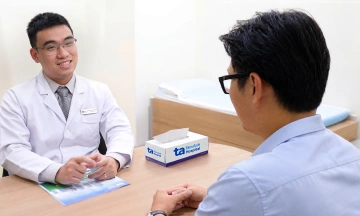
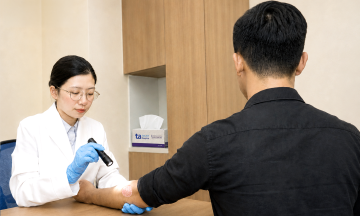
A young man has his blood pressure checked by a screening doctor at VNVC Hoang Van Thu before receiving a hepatitis B vaccine. *Photo: Binh An* |
Doctor Thao recommends young people undergo regular blood pressure checks, especially those who are overweight, frequently stay up late, consume salty foods, are physically inactive, have a family history of cardiovascular disease, or have previously recorded high blood pressure readings. Those diagnosed must monitor their condition at home as advised, attend follow-up appointments, and not discontinue medication on their own, even if they feel normal.
To prevent the disease, young people should reduce salt intake, limit fatty and sugary foods, maintain a healthy weight, exercise regularly, get enough sleep, manage stress, avoid smoking, and limit alcohol. For individuals with underlying high blood pressure, it is also important to proactively control their readings before medical examinations, treatments, or vaccinations to ensure safer healthcare.
People with high blood pressure are also more susceptible to and face severe complications from diseases like influenza, dengue fever, measles, and chickenpox, for which vaccines are available. Vaccination helps prevent contracting these illnesses and experiencing their severe complications.
For influenza, Vietnam has four types of vaccines available; adults receive one dose and an annual booster shot as recommended by the WHO. The dengue fever vaccine is administered to children from 4 years old to adults, with a two-dose schedule three months apart. Measles and chickenpox vaccines, when fully administered with two doses, offer up to 98% protection against the diseases.
Before vaccination, individuals with high blood pressure undergo a health screening by a doctor; vaccination is only postponed during emergencies or ongoing disease treatment. Those with blood pressure readings above the regulated level should relax outside for 30 minutes, then have their blood pressure rechecked; if the readings are stable, vaccination will proceed. After vaccination, individuals must be monitored at the vaccination center for 30 minutes and then for the next 24-48 hours at home.
Dieu Thuan