Excessive salt intake, poor sleep, smoking, and alcohol abuse are daily habits that silently contribute to high blood pressure, increasing the risk of stroke and cardiovascular disease.
Drinking coffee in the morning and brewing it with a paper filter helps protect cardiovascular health, reduces mortality risk, and prevents high blood pressure or bad cholesterol.
Regular exercise, a low-salt diet, sufficient sleep, stress management, and monitoring blood pressure and weight can help reduce the strain on your heart.
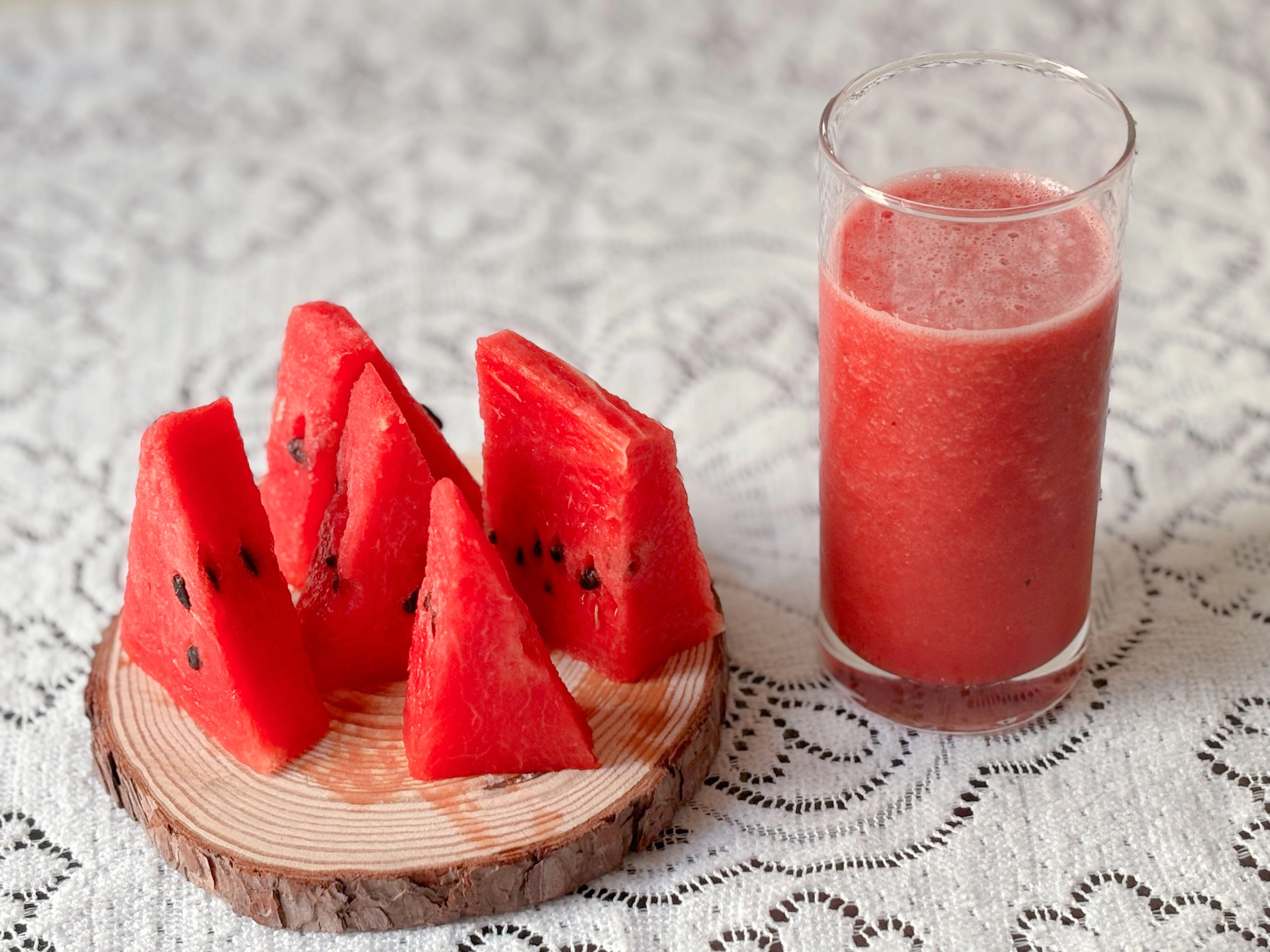
Certain red fruits and vegetables, such as grapefruit, watermelon, and beetroot, are rich in potassium, fiber, and plant compounds that can support vascular health and blood pressure control.
Excess weight, insulin resistance, physical inactivity, lack of sleep, stress, and certain medical conditions can all contribute to high blood pressure.
Ms. Thu, 52, has spent the past year accompanying her 97-year-old father for kidney failure treatment, while also managing her own risk factors for kidney disease.
Blood pressure can remain elevated despite consistent medication due to factors like high sodium intake, weight gain, a sedentary lifestyle, stress, or underlying health conditions.
Patients should adhere to treatment, monitor blood pressure at home, reduce salt intake, exercise regularly, quit smoking, and limit alcohol to prevent complications.
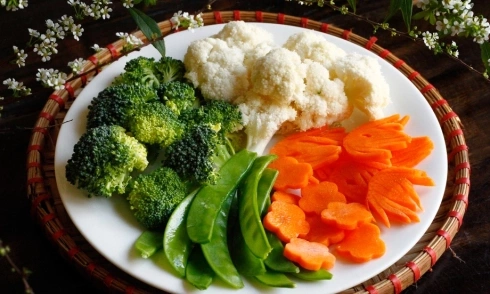
Broccoli, purple cabbage, beetroot, and potatoes are rich in vitamins, minerals, and compounds that can help control blood pressure and protect cardiovascular health.
Stroke is not a random event; most cases are linked to six controllable risk factors: high blood pressure, diabetes, high cholesterol, heart disease, smoking, and obesity.
Drinking coffee, smoking, strenuous exercise, consuming alcohol, or holding urine before a blood pressure measurement can cause temporary fluctuations, leading to inaccurate results.