


Nipah virus (NiV) is a dangerous infectious agent that causes acute encephalitis and rapid respiratory failure, resulting in a high mortality rate of 40-75% or severe sequelae. The World Health Organization (WHO) classifies Nipah as a dangerous disease, and the Vietnamese Ministry of Health has also placed it in Group A of extremely dangerous infectious diseases. This concern is heightened by a new Nipah virus outbreak in West Bengal state, India.
Master, Doctor Phan Le Minh Tien from Children's Hospital 2, explained that the disease often begins with atypical symptoms such as fever, headache, and vomiting. It progresses rapidly, with patients quickly developing severe signs like altered consciousness, seizures, and falling into a coma.
Compared to Covid-19, Nipah virus disease has a lower infection rate, only about 0,33% according to WHO, as it is not airborne. The primary sources of the virus are fruit bats and intermediate animals. Human-to-human transmission occurs through close contact with patient secretions and excretions.
"Currently, there is no specific treatment or preventive vaccine for either humans or animals worldwide," Doctor Tien emphasized. Therefore, early detection, timely isolation, and intensive care play a key role in preventing the infectious disease.
From late 2025 to 26/1, the West Bengal region recorded five suspected cases, all healthcare workers, with two confirmed positive. However, health officials in the country refuted information about widespread transmission, stating it was only a small outbreak.
To avoid missing any cases, Doctor Tien advises healthcare facilities to be vigilant for patients with encephalitis or meningoencephalitis of unknown cause. A thorough epidemiological investigation is crucial, including: travel history to affected areas, contact with sick individuals, occupations of family members, and history of animal exposure. The incubation period is typically from four to 14 days.
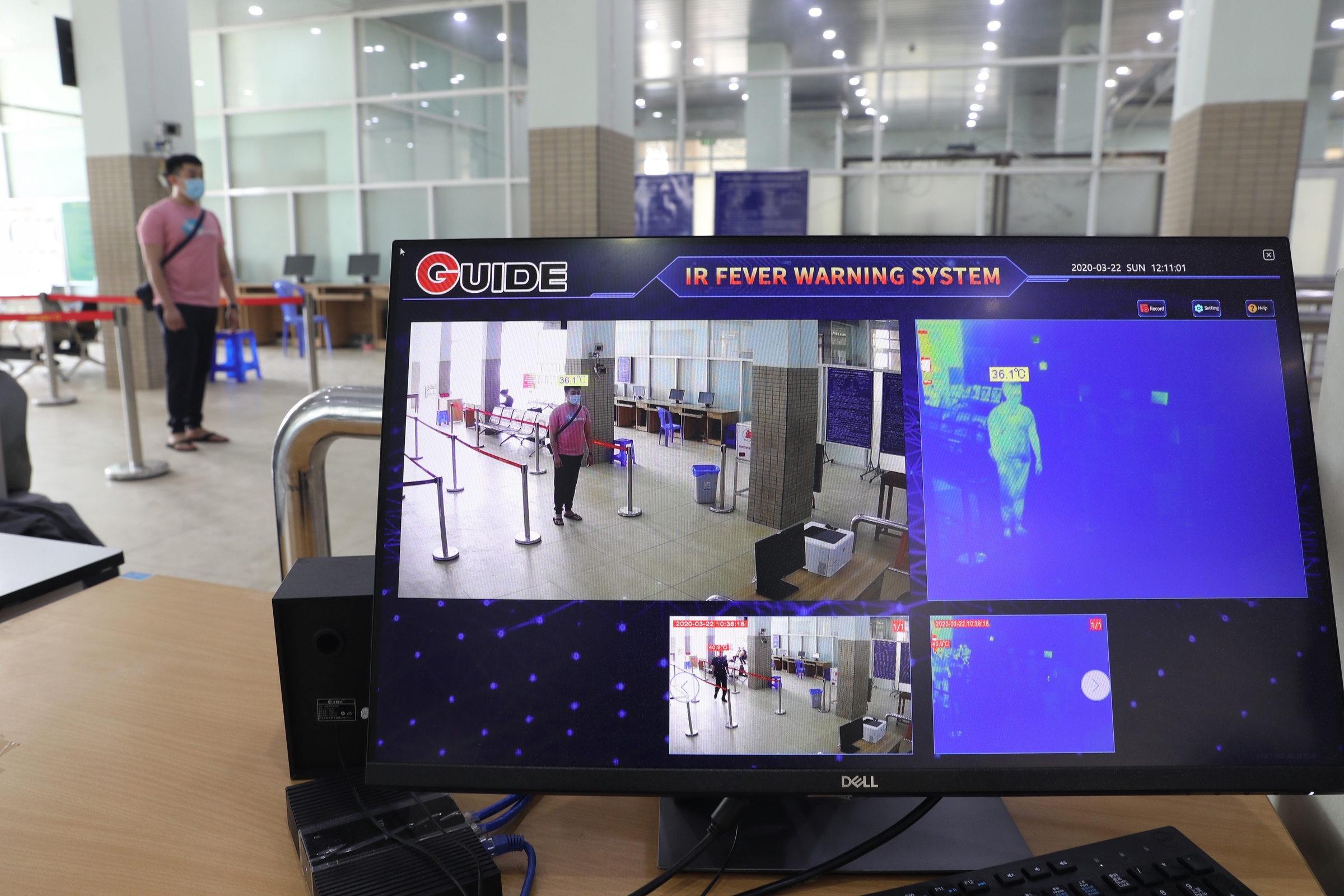 |
Medical quarantine at Moc Bai international border gate during the Covid outbreak. *Photo: Huu Khoa* |
To prevent the disease, the Ministry of Health recommends that people "eat cooked food and drink boiled water" and wash hands with soap after contact with animals or slaughtering. Crucially, avoid eating any fruits showing signs of being bitten or gnawed by animals (bats, birds). Also, avoid drinking raw or unprocessed tree sap (palm, coconut).
Individuals returning from an affected area who develop symptoms such as headache, muscle pain, dizziness, or confusion within 14 days should immediately contact a healthcare facility and limit further contact. For children, Doctor Tien advises parents to closely monitor their child's health. If a child has a fever accompanied by abnormal neurological signs such as lethargy, seizures, or excessive vomiting, they should be taken to a healthcare facility immediately.
Nipah virus was first discovered in 1999 in Malaysia and Singapore, where it caused over 100 deaths and necessitated the culling of one million pigs. Since then, Nipah has become a periodic "ghost" appearing in South Asia, particularly Bangladesh and India.
Currently, Vietnam has not recorded any Nipah cases. On the morning of 27/1, the Vietnamese Ministry of Health requested strengthened surveillance at border gates and in the community. Many Asian airports have also tightened medical surveillance and passenger screening in recent days, similar to the Covid-19 era, due to concerns about the virus's entry.
Le Phuong


