


Answer:
Rabies is a deadly disease caused by a virus that enters the body through bites, scratches, or licks on open wounds from warm-blooded mammals such as dogs, cats, rabbits, monkeys, and squirrels. Once symptoms appear, nearly 100% of cases are fatal.
Applying bandages or leaves to a dog bite wound can inadvertently create more favorable conditions for the rabies virus to penetrate the body more easily. In Vietnam, there have been many recorded rabies deaths linked to applying various leaves to dog bite wounds. For instance, a 48-year-old man in Lam Dong died two months after being bitten by a dog, having used such traditional remedies.
Immediate and proper first aid is crucial. You should thoroughly clean the wound with soap and running clean water for 15 minutes. Afterward, disinfect the area with 45-70 degree alcohol or iodine alcohol to minimize the amount of rabies virus at the bite site. Following this initial care, it is essential to visit a medical facility immediately for a doctor to treat the wound and provide appropriate vaccination advice.
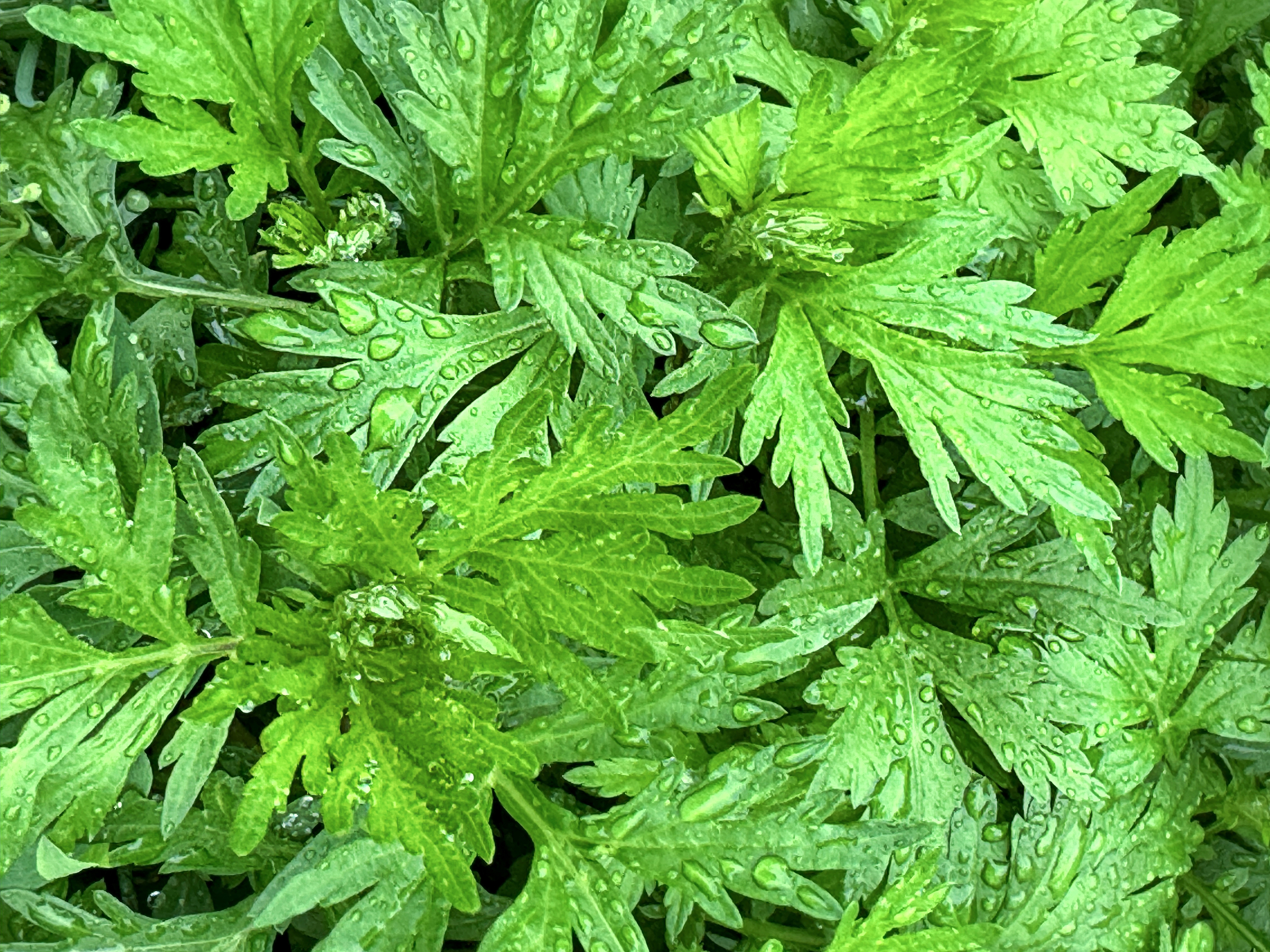 |
Hot mugwort leaves applied to a dog bite wound will create conditions for the rabies virus to penetrate and cause disease more quickly. Photo: Vecteezy |
While mugwort leaves have a bitter taste and warm properties, traditionally used to treat various ailments like abdominal pain, vomiting blood, nosebleeds, bloody stools, irregular menstruation, boils, and ulcers, their application is generally for emergency first aid in cases of skin cuts, snake bites, or insect bites. However, mugwort should not be applied to dog bite wounds, as it is ineffective against the rabies virus and can worsen the situation.
The only effective way to prevent rabies is through vaccination and, in some cases, anti-rabies serum. There are two main types of rabies vaccines available: Verorab (France) and Abhayrab (India), which can be administered intramuscularly or intradermally. For individuals who have been bitten or scratched, if it is their first time receiving the rabies vaccine and their vaccination history is unknown, a series of 5 intramuscular doses is required on days 0, 3, 7, 14, and 28, or 8 intradermal doses on days 0, 3, 7, and 28 (two doses each time).
In situations where the wound is severe, located near the central nervous system or on the extremities, or if the animal shows signs of rabies or cannot be monitored, the doctor will prescribe additional anti-rabies serum. However, if a complete vaccination regimen was previously administered, only two booster doses on days 0 and 3 are needed for a subsequent bite or scratch, and serum is not required.
Rabies vaccine can also be given for pre-exposure prophylaxis, involving three doses on days 0, 7, 21, or 28, administered intramuscularly or intradermally. If a person who has completed this pre-exposure regimen is later bitten, scratched, or licked, only two booster doses on days 0 and 3 are necessary, with no need for serum, even if the wound is severe.
Doctor Pham Van Phu
Medical Manager, VNVC Vaccination System
Readers can ask vaccine-related questions for the doctor to answer here.


