


The 39-year-old man sustained a large hand injury while cleaning his house. The wound was wide and bled profusely. He planned to clean his hand thoroughly before heading to a medical center for treatment.
"When I picked up the soap, I noticed mouse bite marks. Before washing my hands, I showed it to my wife. She panicked, saying mouse saliva could contain the rabies virus, and drove me to get vaccinated," Tuan recounted.
At VNVC Hai Ba Trung, doctors assessed Tuan's wound as severe, posing a risk of rabies virus exposure from the mouse-gnawed soap. Consequently, he was prescribed five doses of rabies vaccine administered into the muscle on days 0, 3, 7, 14, and 28. He also received tetanus vaccine and serum due to the high-risk nature of the wound and his lack of prior vaccination. After getting his shots, Tuan researched rabies and felt fortunate his wife had warned him in time.
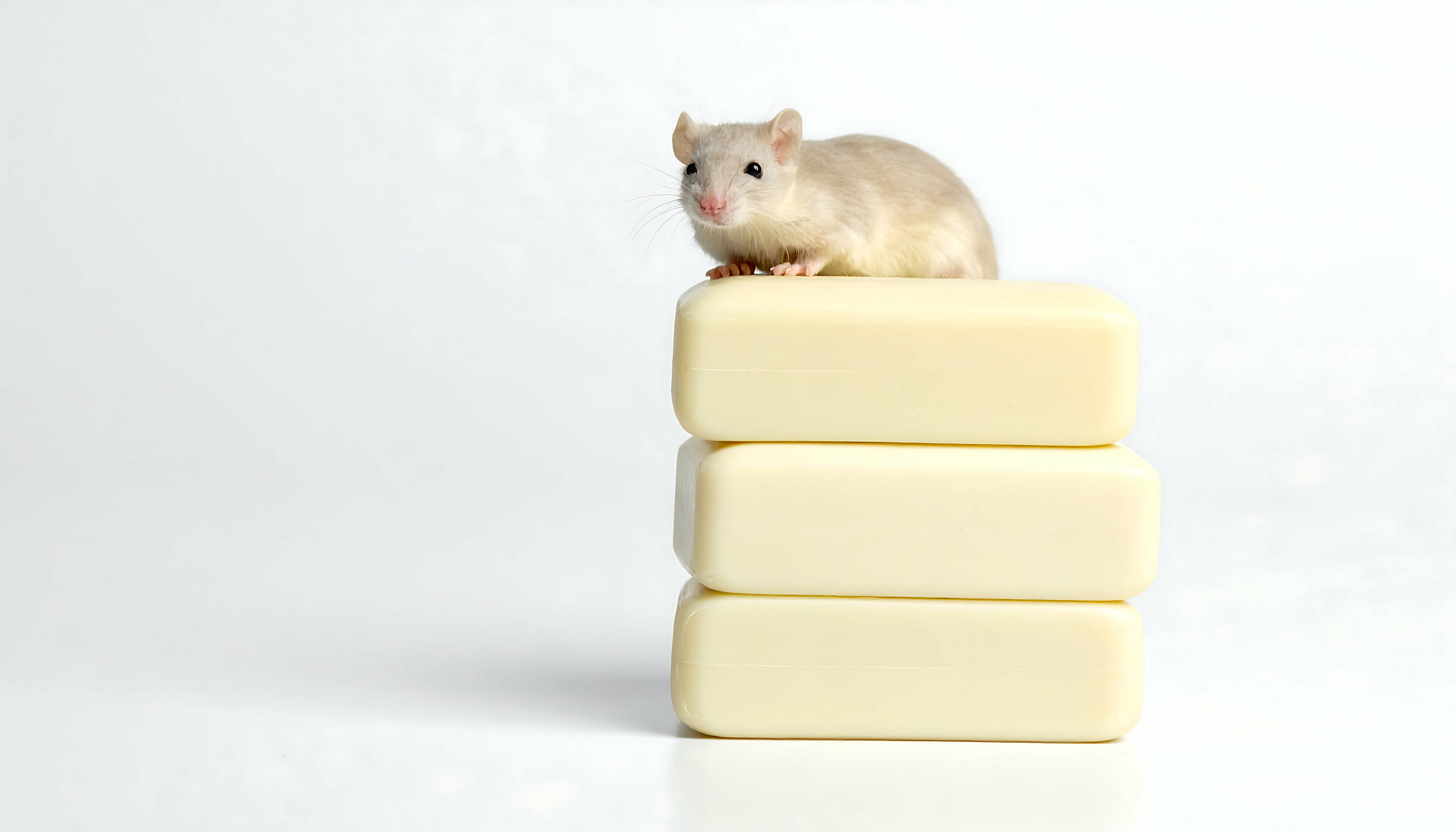 |
Mice are warm-blooded mammals, and their saliva can carry the rabies virus, which can survive one to two weeks at room temperature. Illustration: Vecteezy
In early January, at VNVC District 7, Tan My ward, TP HCM, a 28-year-old British tourist was brought in by a friend for vaccination after being bitten by a python. The wound was not deep, but the affected area showed tiny red spots. Doctors confirmed the wound was bleeding.
The tourist stated she had raised the python for two years, and it was usually docile; this was the first time it had bitten anyone. Besides the python, her household also kept other pets such as dogs, cats, squirrels, and mice.
Although pythons are cold-blooded animals and do not pose a rabies risk, the presence of other warm-blooded mammals in the household prompted doctors to advise active pre-exposure rabies prophylaxis. This involved a three-dose regimen on days 0, 7, 21, or 28, along with a tetanus vaccine.
Doctor Huynh Tran An Khuong, a medical specialist at the VNVC Vaccination System, noted that he has encountered many unusual vaccination cases. One such instance involved a 56-year-old man who chewed on an iron nail, causing his gums to bleed, and proactively sought a tetanus shot. Doctor Khuong emphasized that both rabies and tetanus are extremely dangerous, lacking specific treatments, and carry high mortality rates—nearly 100% for rabies and up to 90% for tetanus if not treated promptly.
The rabies virus can spread through the saliva of rabid animals adhering to surfaces. It can survive for several hours to several days outside the body in cold, humid, and dark conditions. Conversely, high temperatures and strong sunlight help inactivate it more quickly.
 |
A man receives a rabies vaccine at VNVC after sustaining a bleeding hand wound from a mouse bite. Photo: Hoang Duong
According to statistics from the Ministry of Health, the number of people receiving rabies prophylaxis through vaccines and serum has increased over time. Previously, during the 1990-2000 period, approximately 400,000 people received post-exposure treatment annually. In 2022, the number of people vaccinated against rabies rose to 465,824, and it continued to climb to 674,888 in 2023. Despite these efforts, approximately 70-90 deaths due to rabies still occur each year.
Rabies primarily spreads to humans through bites, scratches, or licks from infected animals. Human-to-human transmission is rare, typically occurring via organ transplantation. In contrast, the tetanus pathogen is widely present in the environment, abundant in soil and animal feces, and can easily enter the body through even small wounds. Tetanus does not spread directly between people, yet multiple simultaneous cases are still recorded. Vietnam eliminated neonatal tetanus in 2005, but sporadic cases still appear in home births where cord-cutting tools are not adequately sterilized.
For cases of rabies or tetanus exposure, completing the full course of vaccinations on schedule is the most effective preventive measure. Individuals can directly visit a doctor for consultation and appropriate vaccination guidance.
Hoang Duong


