Bu was arrested on 23/8 on charges of telling families he had contacted missing individuals, but they "refused to disclose their location to their families," subsequently classifying them as "deceased" in the police system, and closing their cases.
These allegations came to light after the family of Jang Mi-ran, 37, reported her missing in May. Bu had told them he had spoken with Jang.
However, investigators found no record of that contact.
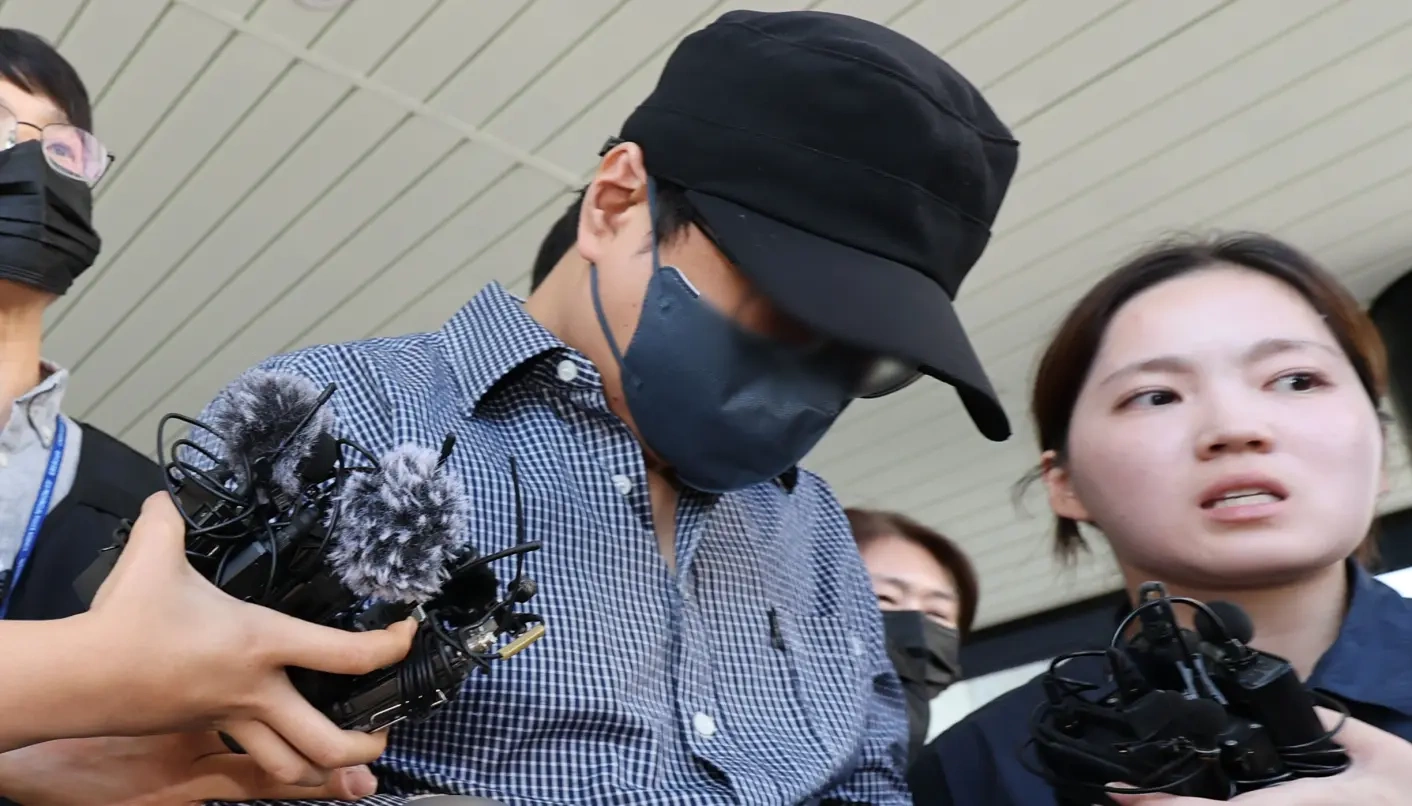 |
Officer Bu leaves a court in Jeju on 25/8. Photo: News1 |
What was Bu's motive?
What perplexes both the public and law enforcement professionals most is that Bu gained nothing from closing cases this way, other officers noted.
Bu worked in the missing persons unit at Jeju Seobu Police Station and had reportedly been there for one year five months.
Adult missing persons cases often conclude when the individual returns home or is found to have simply traveled without informing family. Investigators are considering the possibility that Bu falsely claimed contact with missing persons to close cases, then continued this practice when previous instances concluded without serious repercussions.
Police have narrowed their review to about 10 cases where Bu is believed to have unilaterally closed files in the missing persons management system using the same reason as in Jang's case. Most of the missing individuals in these files were later found.
The hypothesis that Bu sought to reduce his workload was also dismissed by his colleagues.
"Even if Bu had simply told families, 'we still haven't been able to contact the missing person,' and recorded that information, his workload would not have increased significantly. Yet, he actively fabricated information and hastily closed cases," an anonymous police officer said.
Police suspect Bu marked Jang as "deceased" before deleting her file from the system. Colleagues believe this action went far beyond standard operating procedures, as Jang's death had not been confirmed. This hindered the search efforts of other officers performing their duties, especially since missing women are particularly vulnerable to crime.
According to police, closing numerous missing persons cases does not improve an officer's performance record. "Regardless of how one views Bu's actions, they are difficult to explain," a police officer stated.
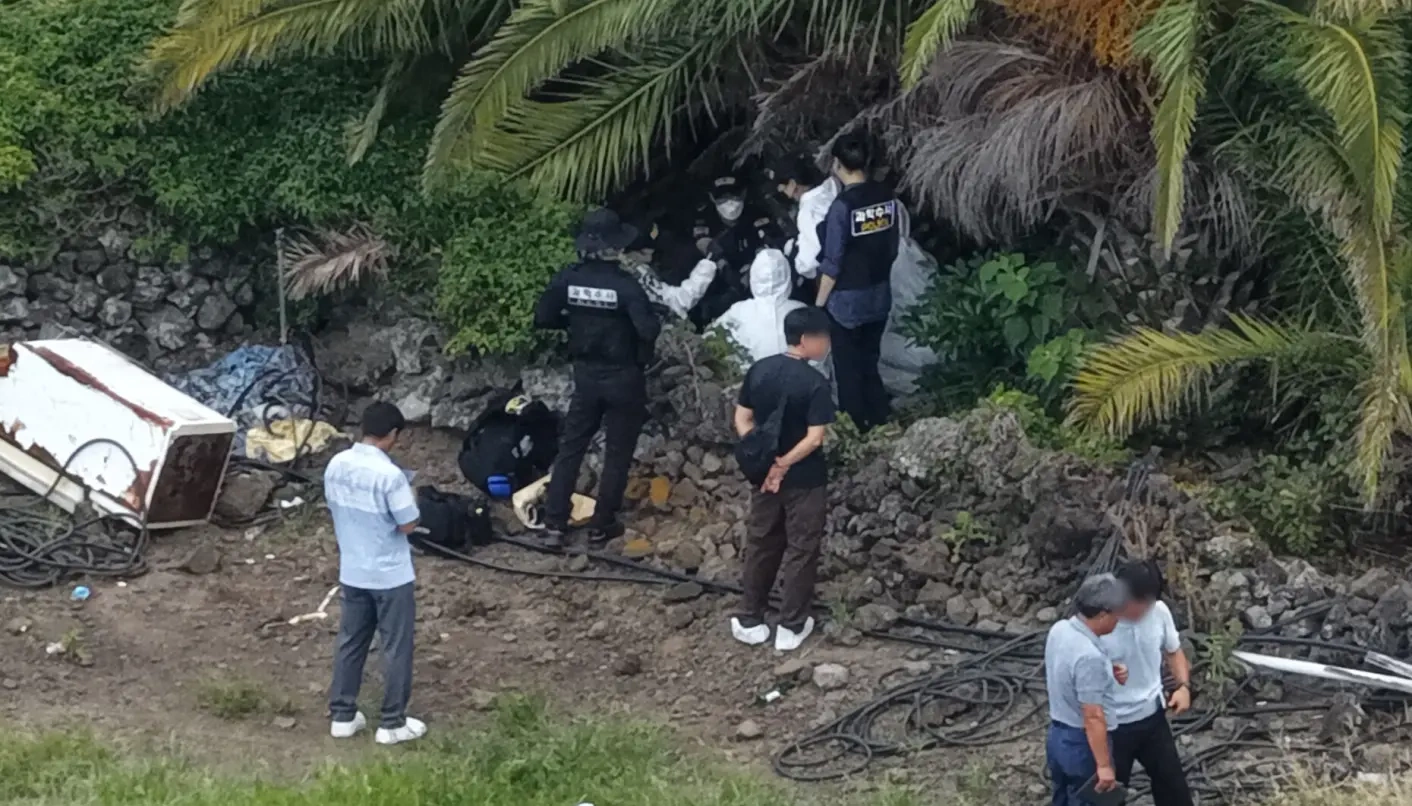 |
On 24/8, police conduct a forensic examination at a palm farm in Jeju after finding a body believed to be Jang Mi-ran, 104 days after she went missing. Photo: Yonhap |
Many unanswered questions
On 19/7, Jang's family filed a second missing person report at Nowon Police Station in northern Seoul. This action prompted authorities to reopen the investigation.
Three days later, on 22/7, Bu allegedly entered a women's restroom at his police station without authorization. Subsequently, Bu faced an internal investigation into allegations of sexual misconduct and was suspended from duty on 11/8.
In 2023, police also received a domestic violence report involving Bu, which resulted in an internal reprimand.
These revelations raise a larger question within the police force: How could Bu be assigned to handle 298 missing persons cases in one year five months? Some officers suggest the incident should "become an opportunity to review the entire personnel system."
Meanwhile, Bu denies the allegations of improperly closing cases. He reportedly told investigators that he did, in fact, contact the missing individuals.
On 25/8, the National Police Agency of Korea suspended the entire command line at Jeju Seobu Police Station, including the chief, for failing to adequately fulfill their supervisory responsibilities.
In 2025, South Korea recorded a total of 70,814 cases of missing adults. However, 99,7% of these cases were closed without investigation or search efforts.
"Most cases are closed because the whereabouts of the missing person are identified, or they return home on their own," a police official said. However, 931 adults reported missing last year were later found deceased due to causes unrelated to accidents or violent crime.
Tue Anh (according to JoongAng Ilbo)