


A glass of beer after a run is more than just a reward. For many runners, it is a way to unwind, connect with fellow runners, and create a mental anchor to maintain their training routine. When consumed lightly, beer can offer several health benefits for runners.
Good for cardiovascular health
Research on the link between alcohol consumption and cardiovascular disease, published in 2011 by Associate Professor Paul E. Ronksley and colleagues, showed that groups consuming light to moderate amounts tended to have a reduced risk of certain cardiovascular events, particularly coronary heart disease, compared to non-drinkers or heavy drinkers.
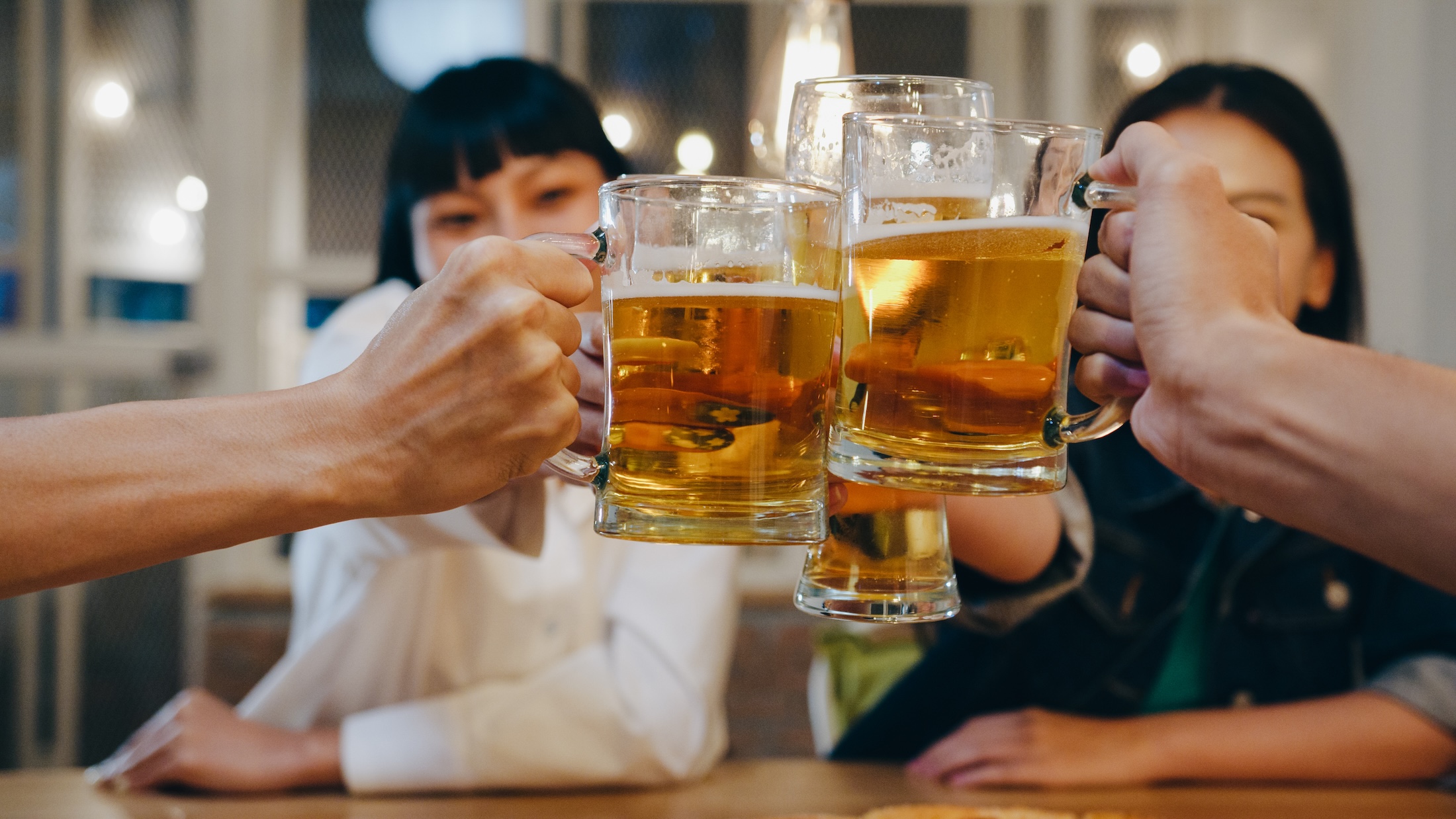 |
Drinking beer is a favorite choice for many runners after completing a race. Photo: Freepik |
For runners, cardiovascular health is the "engine" of every run. Beer is considered beneficial for the circulatory system due to its antioxidant compounds. Specifically, polyphenols from grains and hops, along with certain B vitamins from the fermentation process, contribute to supporting blood vessel health and oxygen transport capacity.
Prevents colds and viruses
Another frequently mentioned benefit is its ability to support immunity. In a 2012 study, Doctor Johannes Scherr monitored 277 runners participating in the Munich Marathon and observed that the group consuming polyphenol-rich non-alcoholic beer experienced fewer colds and viral symptoms, and also had shorter recovery times.
Non-alcoholic beer helps balance electrolytes
In hot, humid competition conditions, runners sweat profusely, easily experiencing thirst even after drinking water, muscle cramps, and fatigue. In such cases, the issue is not just rehydration, but also electrolyte replenishment, especially sodium, which directly affects alertness and the ability to maintain running pace.
Research in the journal Nutrients indicates that consuming non-alcoholic beer before exercise helps maintain better electrolyte balance compared to drinking water in the experimental setting, while alcoholic beer tends to adversely affect some body indicators.
Helps strengthen bones
Running is a weight-bearing sport; each step impacts bones and joints. For runners, good bone density helps absorb impact better, allows the body to handle loads more effectively, and reduces problems like shin splints or stress fractures.
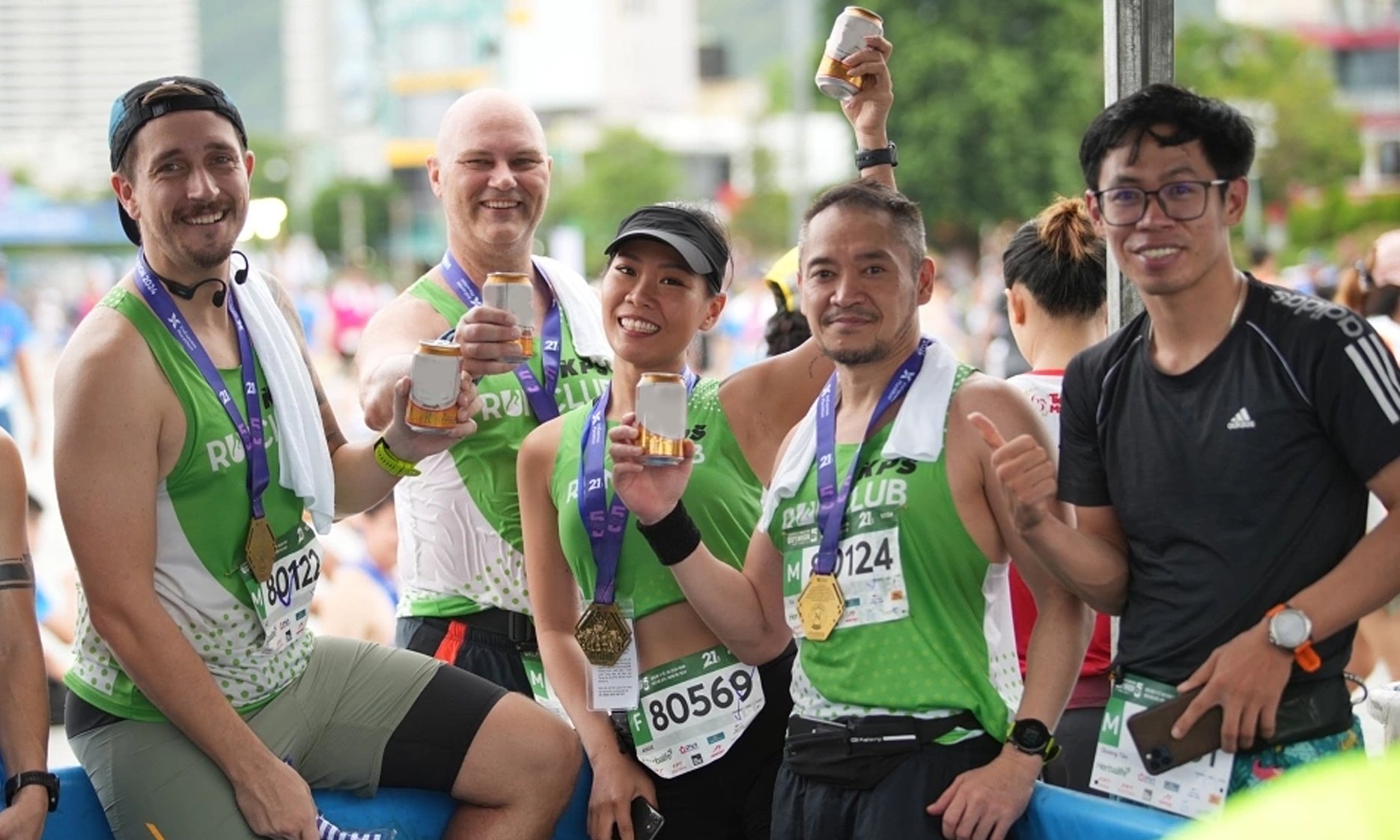 |
Runners chat and drink beer after participating in VnExpress Marathon Quy Nhon 2025. Photo: VnExpress Marathon |
A study in The American Journal of Clinical Nutrition noted that groups consuming moderate amounts of beer or wine had higher bone mineral density in the hip and spine regions. Conversely, when consumption increased to over two glasses per day, results showed that bone mineral density tended to decrease, leading to long-term osteoporosis and increased injury susceptibility.
Reduces stress
After a long run, the body often remains tense in the shoulders, neck, hips, and back, accompanied by a feeling of the "head still running". A cool glass of beer, especially when sipped slowly, easily creates a sense of relaxation, helping you transition from exertion to rest.
Beer often comes with a feeling of slowing down, requiring drinkers to sit, eat, and converse. For runners, it is a mental reward, helping them avoid getting caught up in a lifestyle solely focused on training plans and watches, thereby maintaining long-term motivation.
Better sleep
Sleep is the most important recovery phase for runners, but it is also easily "sacrificed" due to work schedules, relationships, or other habits. For some runners, a small glass of beer helps the body wind down more easily at the end of the day.
Beer contains ingredients like lactoflavin and nicotinic acid, substances often considered beneficial for sleep. If you choose alcoholic beer, it is best to keep consumption as low as possible and avoid drinking close to bedtime to ensure quality sleep.
Note
These benefits are only applicable when beer is consumed in moderation. For alcoholic beer, the common recommendation is a maximum of one 330,355 ml glass per day for women and two glasses for men. Beer should be consumed after runners have rehydrated and refueled. If recovery and sleep are priorities, non-alcoholic beer is a more suitable choice, especially during periods of increased training load.
Hai Long (according to Women's running)
VnExpress Marathon Ho Chi Minh City Midnight 2026, taking place on 22/3, is the largest night race in Vietnam. In its 4th year, the event expects to attract 12,000 athletes from Vietnam and abroad. Running through iconic landmarks of TP HCM such as Tao Dan Park, Independence Palace, Notre Dame Cathedral, and Nguyen Hue Walking Street at night promises a unique experience, helping runners achieve breakthroughs in both performance and mindset. Interested runners can register here.


