 |
A World Cup of stars
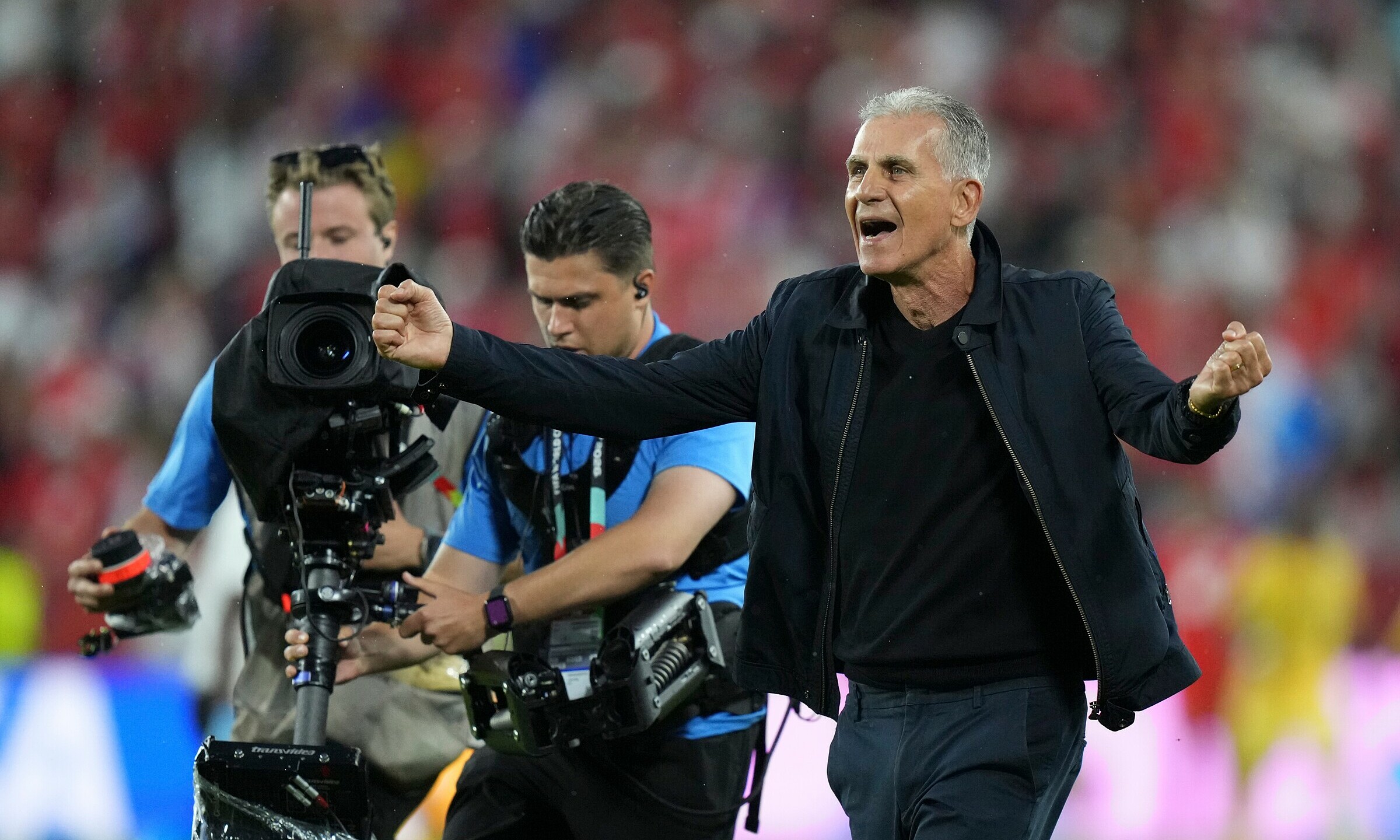
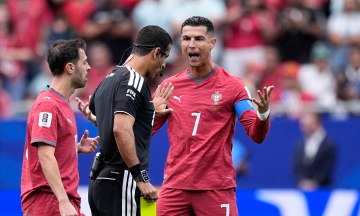
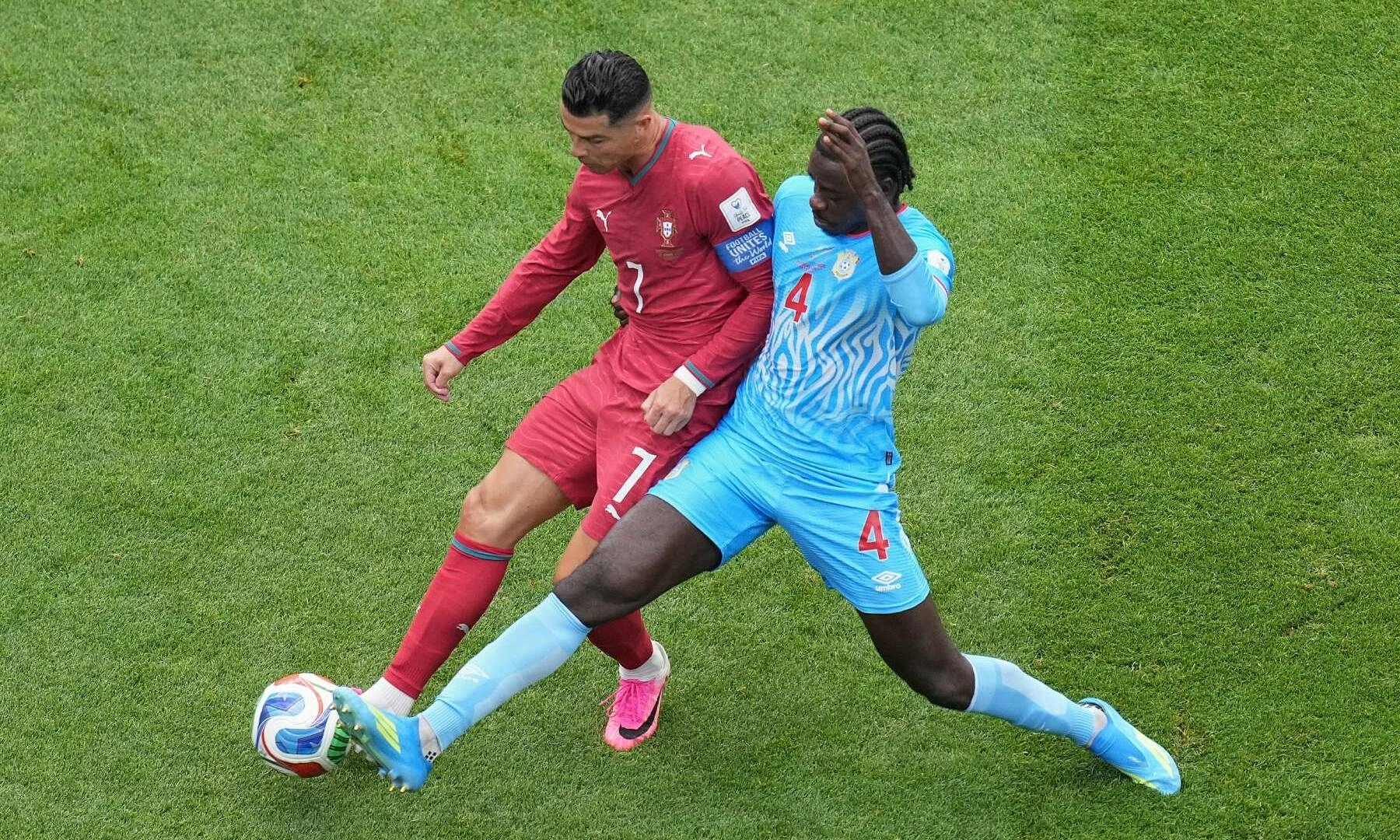
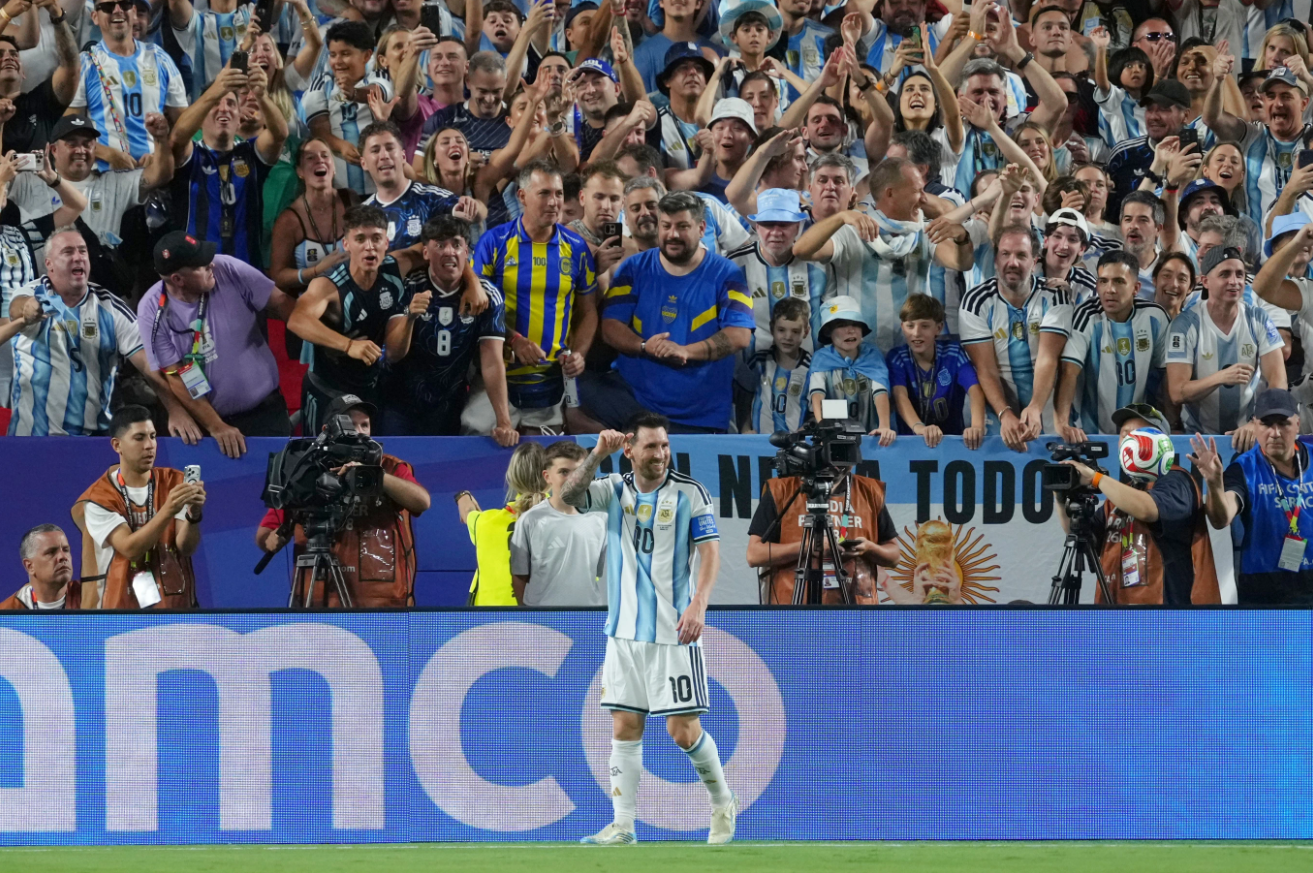
The World Cup has long been a stage for prominent players, and this year’s tournament is no exception. Lionel Messi, Kylian Mbappe, Erling Haaland, Harry Kane, and Luis Diaz all made their mark on the opening day, leading their national teams to impressive victories. Conversely, Portugal faced challenges as Cristiano Ronaldo did not perform at his peak.
 |
Numerous records shattered
From its inception, the World Cup 2026 made history as the largest tournament ever, featuring 48 teams and a record 104 matches. Beyond its scale, the opening matchday on 11/6 saw a host of other milestones.
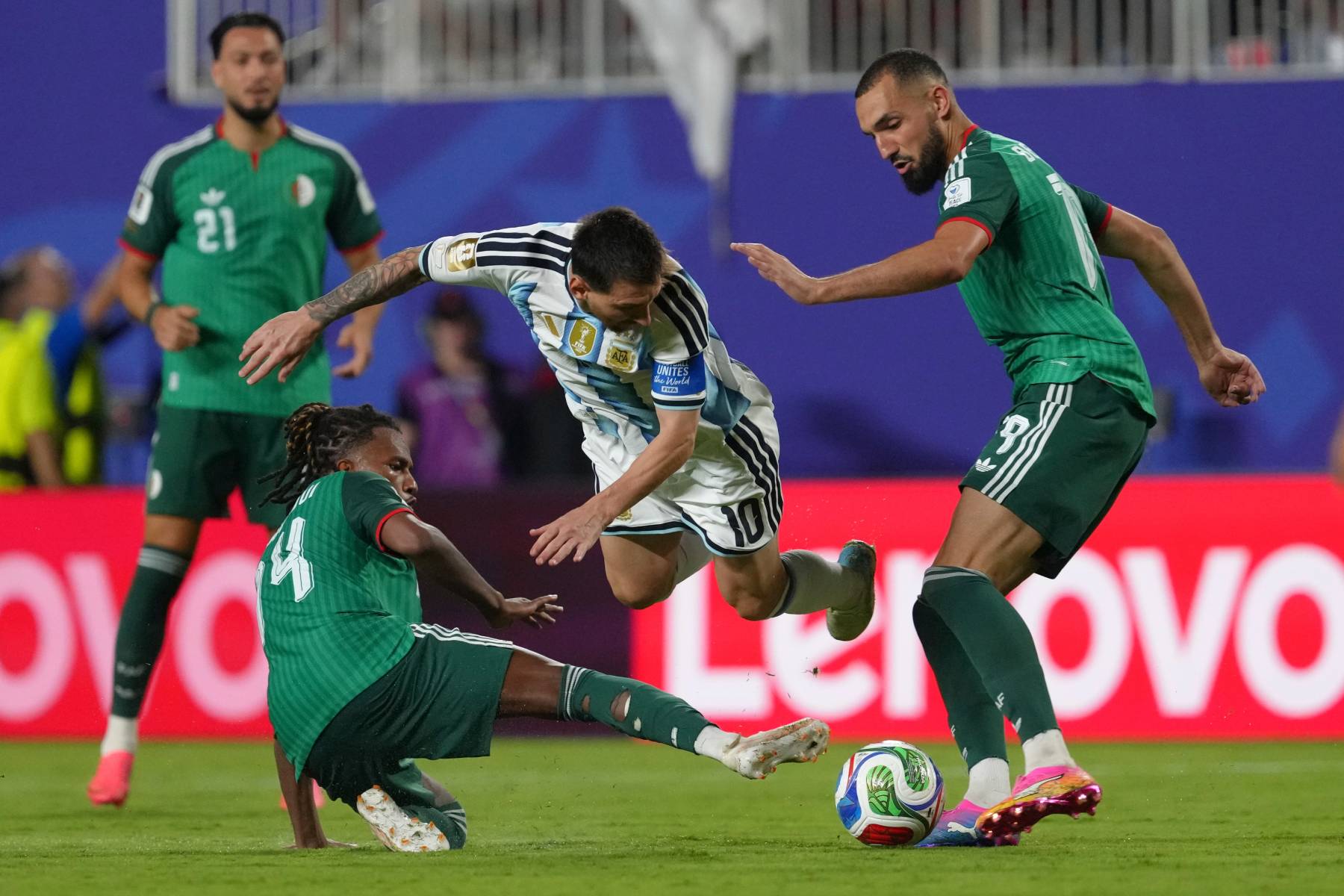
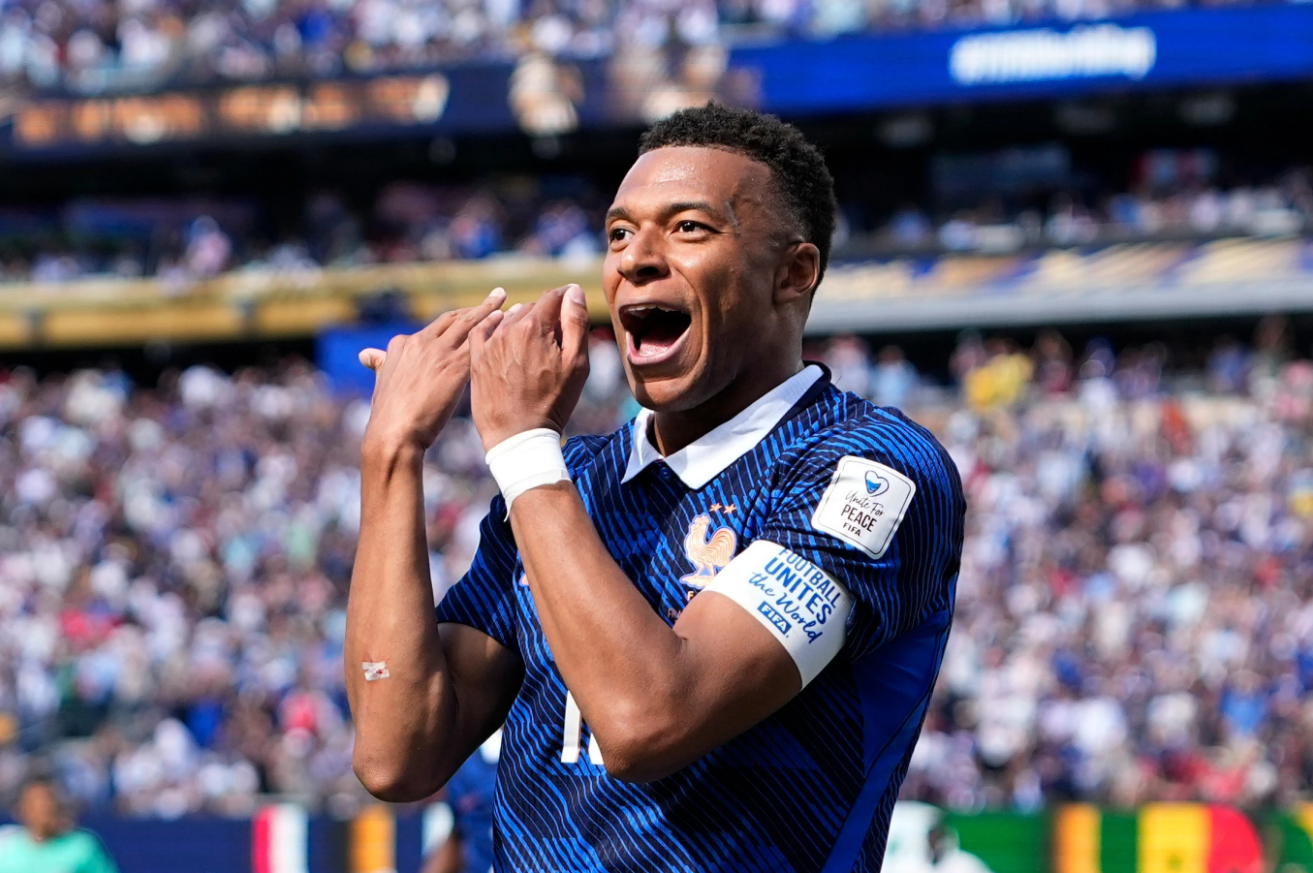
Mbappe became France's all-time leading scorer with a brace against Senegal, bringing his total World Cup goals to 14. However, this achievement was quickly overshadowed when Messi scored a hat-trick in Argentina's victory over Algeria, equaling German legend Miroslav Klose's record of 16 World Cup goals. Messi also matched Cristiano Ronaldo's six World Cup appearances, surpassing Lothar Matthaus's previous record of five participations.
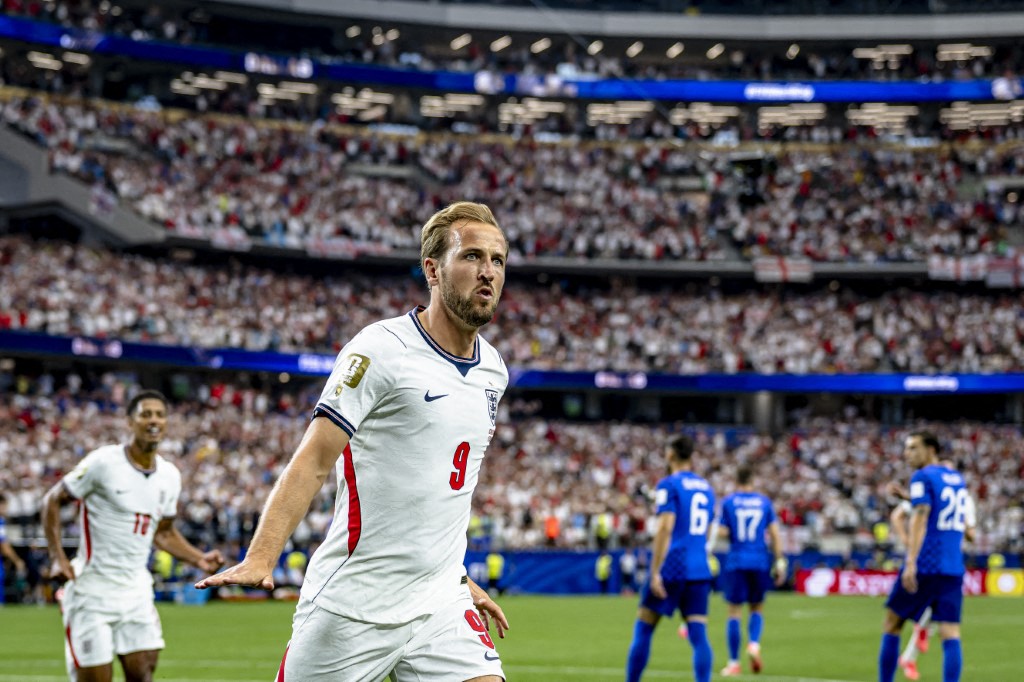 |
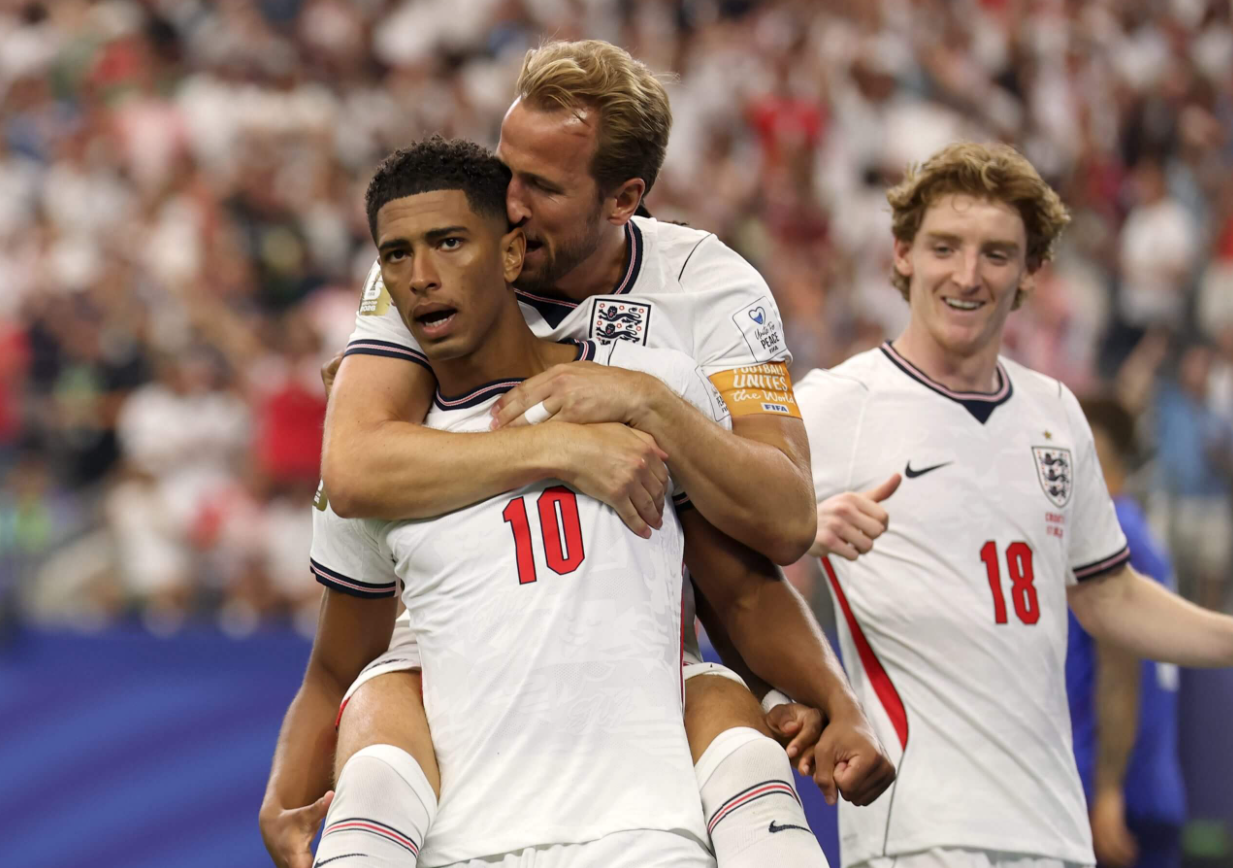
For England, Harry Kane netted a brace against Croatia, matching Gary Lineker's 10 World Cup goals. The Bayern Munich forward is already the "Three Lions'" all-time top scorer and reached 115 international caps, equaling David Beckham's tally.
Scotland also marked a notable milestone as John McGinn became the oldest player to score for the national team at a World Cup. The 31-year-old, 238-day-old midfielder surpassed Kenny Dalglish's previous record of 31 years and 103 days. With one goal in the opening match, McGinn also began closing the gap on Joe Jordan, Scotland's all-time leading World Cup scorer with four goals.
 |
European teams struggle with weather
One of the most discussed topics before the World Cup 2026 was the impact of weather conditions on European teams. After the first matchday, these concerns proved somewhat accurate.
High temperatures, significant humidity, and frequent cooling breaks considerably affected the game tempo. In the 13 opening matches between European teams and representatives from other continents, only five European teams won: France, Germany, Scotland, Norway, and Austria.
 |
Many highly-rated contenders such as Spain, Belgium, Switzerland, Turkey, and Portugal failed to secure three points on the opening day. Several teams struggled to maintain their usual pressing intensity and ball circulation speed while playing in harsh weather conditions.
Notably, this situation occurred even in stadiums with roofs and air conditioning systems. This indicates that the challenge extends beyond the 90 minutes on the pitch, encompassing physical adaptation and pre-tournament preparation.
European teams still have time to adjust, but after the first matchday, many representatives from the Old Continent have put themselves in a difficult position in the race for qualification.
 |
Cooling breaks alter match dynamics
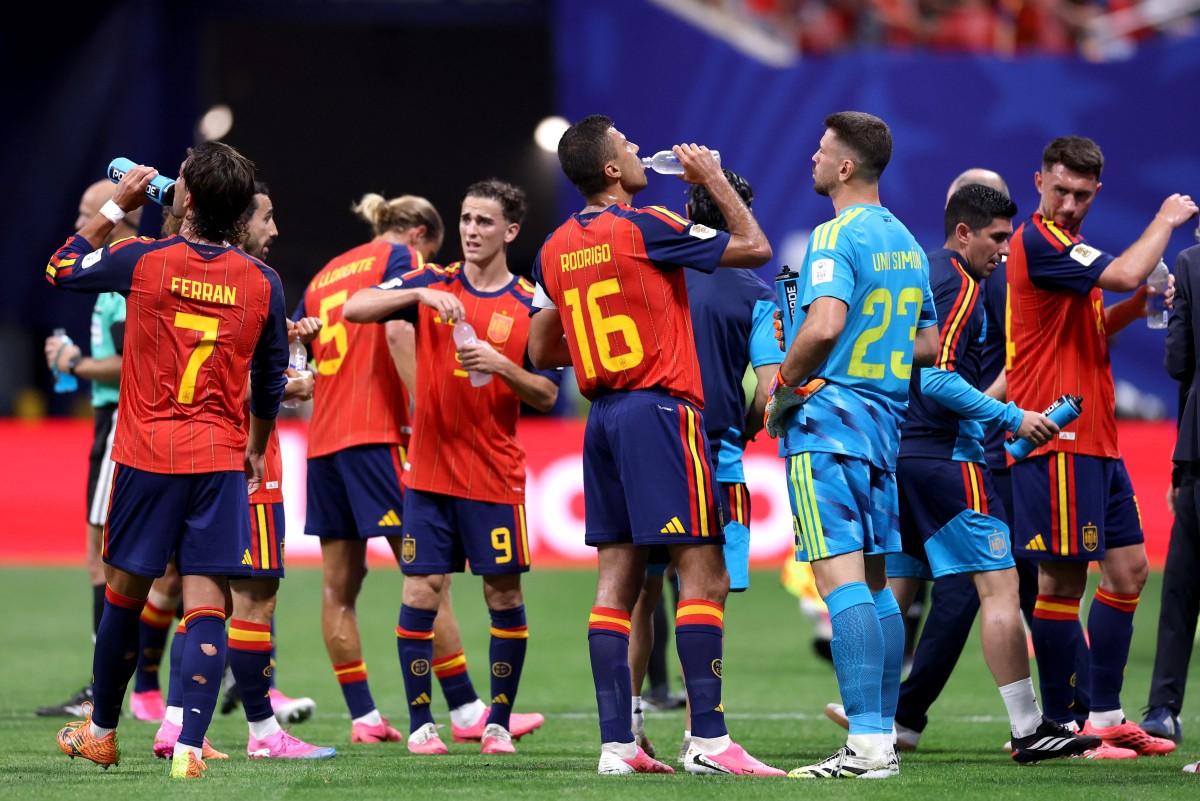
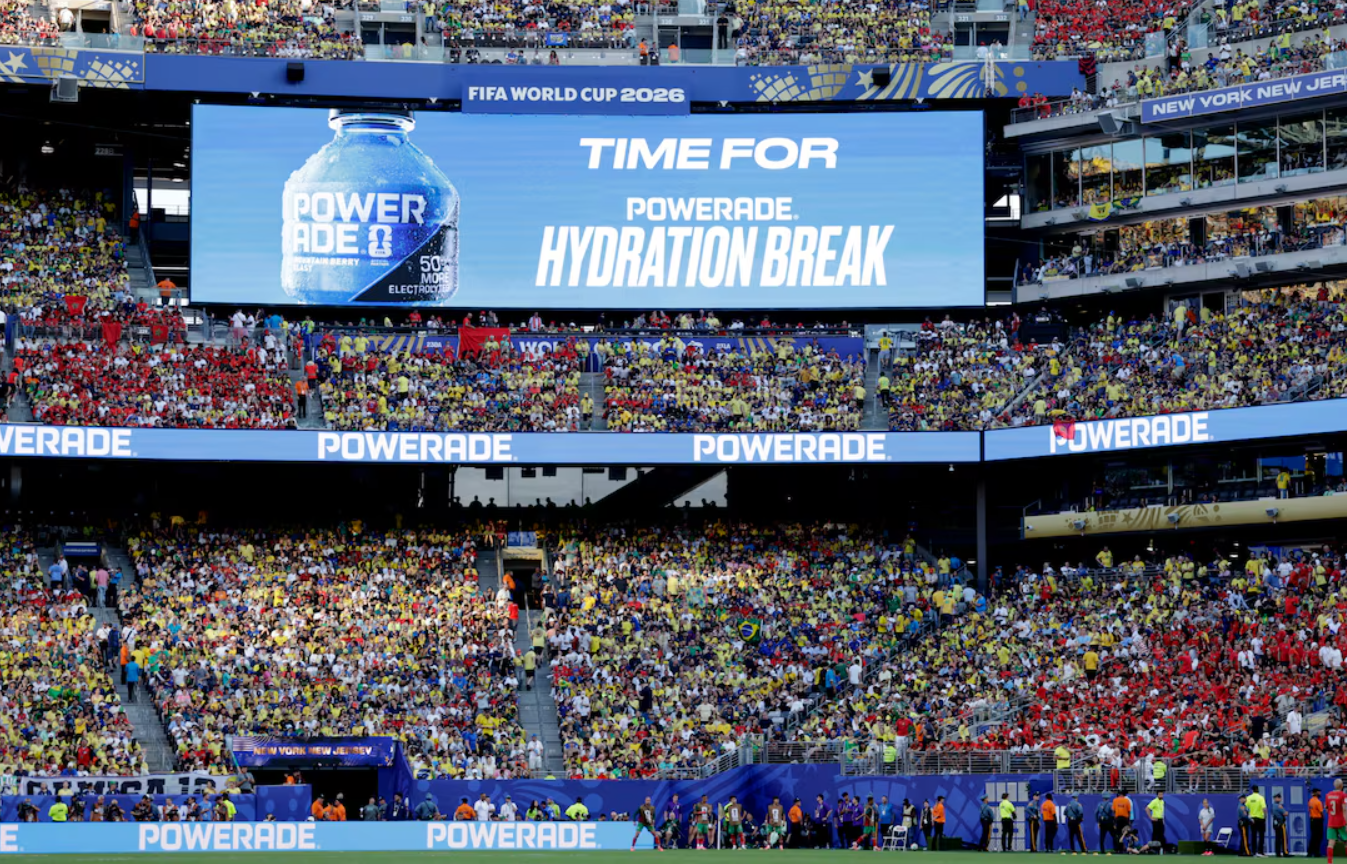
Cooling breaks are a familiar feature at the World Cup 2026. In each half, players receive about three minutes to rehydrate and get instructions from the coaching staff, regardless of whether the match is in an open or covered stadium.
The impact of these breaks is increasingly evident. Several matches saw significant shifts in momentum immediately after play resumed, as coaches utilized the short interval to adjust tactics or remind players.
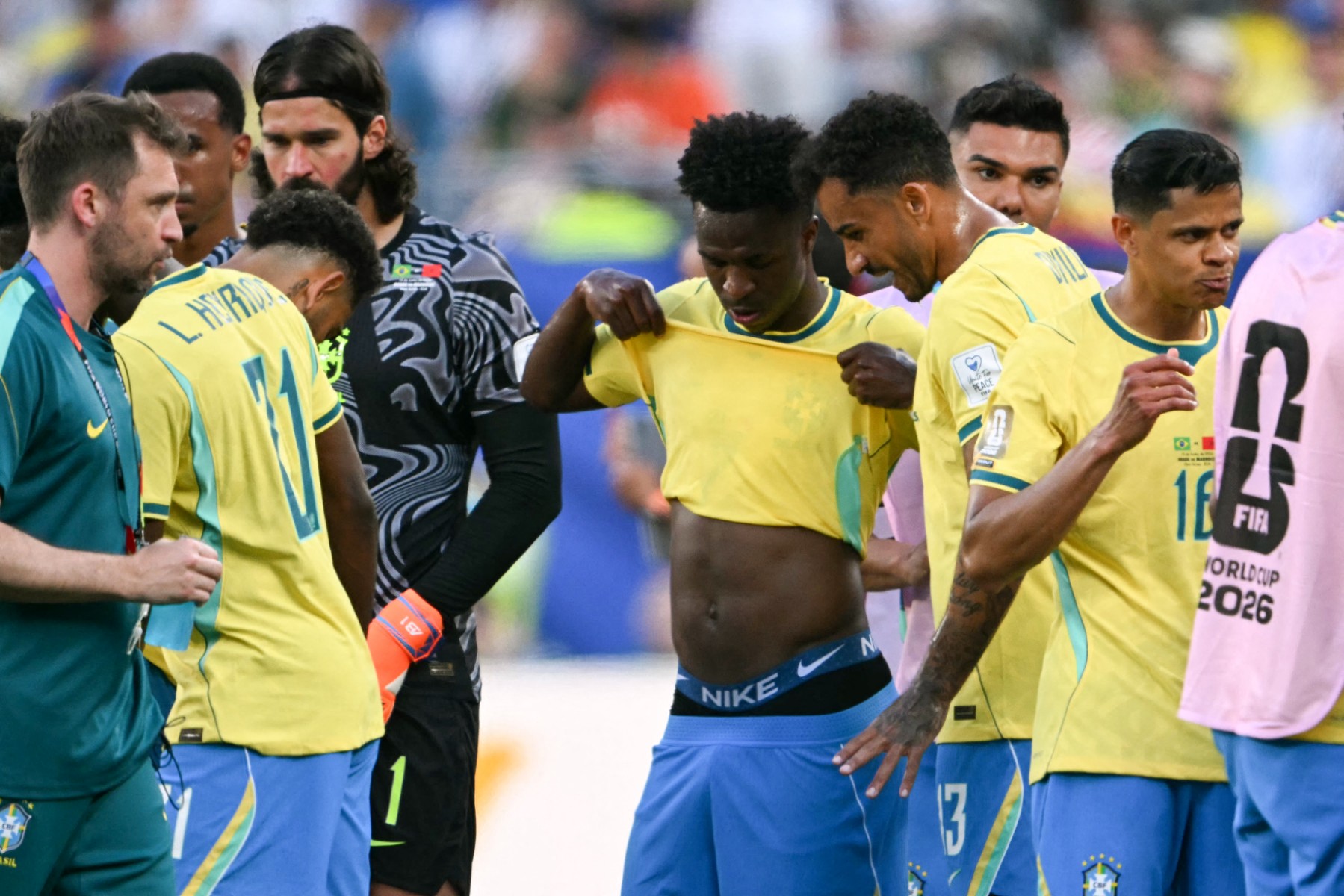 |
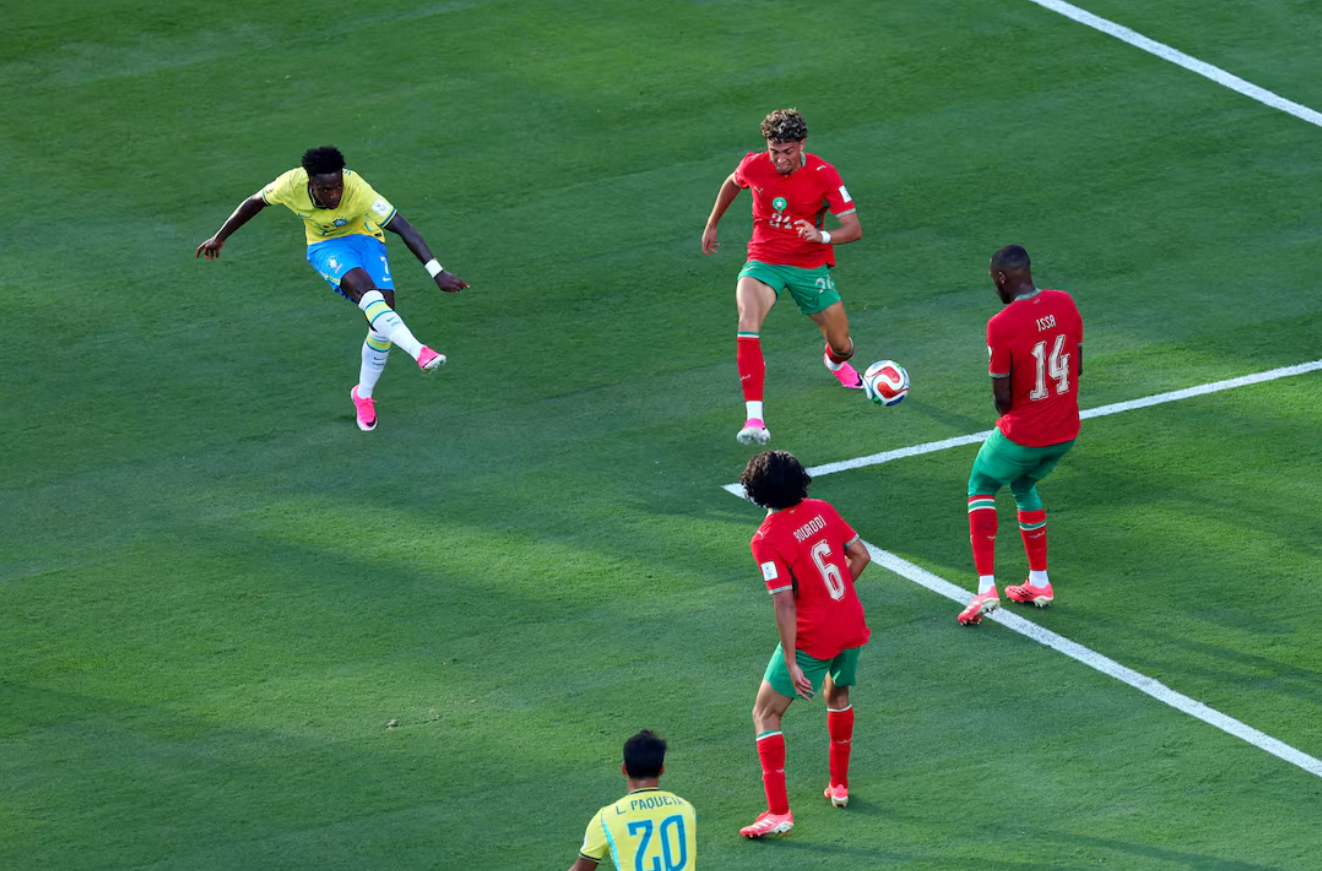
Brazil's 1-1 draw with Morocco is a prime example. The African team significantly increased pressure in both halves after the breaks, though Brazil still found an equalizer through Vinicius's moment of brilliance. Meanwhile, Germany faced difficulties against Curacao, with the score at 1-1 before the first cooling break, but quickly regained control and won 7-1 after making adjustments.
Norway also utilized these stoppages effectively, scoring shortly after both cooling breaks in their 4-1 victory over Iraq. Australia even scored both goals against Turkey from transitions immediately following the restart of play.
These developments show that cooling breaks are not just about physical support. In harsh weather conditions, they are becoming a "tactical timeout" that helps many teams turn the tide and create differences on the field.
 |
Concerns about dull matches unfounded
Before the World Cup 2026 began, many worried that expanding to 48 teams and increasing knockout stage slots would lead to cautious, less exciting group stage matches. However, the action on the field suggests the opposite.
After the first matchday, the tournament recorded an average of 3,12 goals per match, the highest in World Cup history. Concerns about teams playing safer due to wider qualification opportunities, or being affected by hot weather, have not materialized.
 |
A study by the CIES Football Observatory published this week showed that players typically run about one kilometer less per match when playing in 35 degrees Celsius conditions compared to 15 degrees Celsius. This implies that intensity and energy expenditure tend to decrease significantly in harsh weather.
Despite this, the technical quality of the World Cup 2026 remains high. Matches consistently feature goals, comebacks, and moments of star brilliance. Many teams are willing to play attacking football rather than opting for a safe, point-preserving style.
After the first week, the World Cup 2026 has not only avoided a boring scenario but has also delivered one of the most dynamic starts in the tournament's history.
 |
MetLife Stadium pitch sparks debate
Beyond the weather, pitch quality also became a topic of interest after the first matchday of the World Cup 2026. Specifically, MetLife Stadium in New Jersey, which will host the final on 19/7, is drawing mixed reviews from players.
This nearly 80.000-seat stadium typically uses artificial turf for NFL games before a temporary natural grass pitch is installed for the World Cup. However, the pitch quality has not met the expectations of many teams.
After France's 3-1 victory over Senegal, midfielder Adrien Rabiot commented that the pitch felt too hard, resembling artificial turf more than natural grass. Meanwhile, Vinicius also complained about the pitch drying quickly in the hot weather during Brazil's 1-1 draw with Morocco.
According to the Brazilian star, the dry grass significantly reduced ball circulation speed, affecting the ability to execute technical play and control the game tempo. This is a particularly noteworthy issue as many major teams prioritize short passing and possession-based styles.
As MetLife continues to host several important matches in the group and knockout stages, pitch quality will likely remain a closely monitored topic throughout the rest of the tournament.
 |
Don't underestimate smaller teams
The expansion of the World Cup 2026 to 48 teams has provided an opportunity for many footballing nations to make their debut on the planet's biggest stage. Before the tournament, teams like Cape Verde, Curacao, Jordan, and Uzbekistan were largely seen as underdogs, while New Zealand was the lowest-ranked team in the competition.
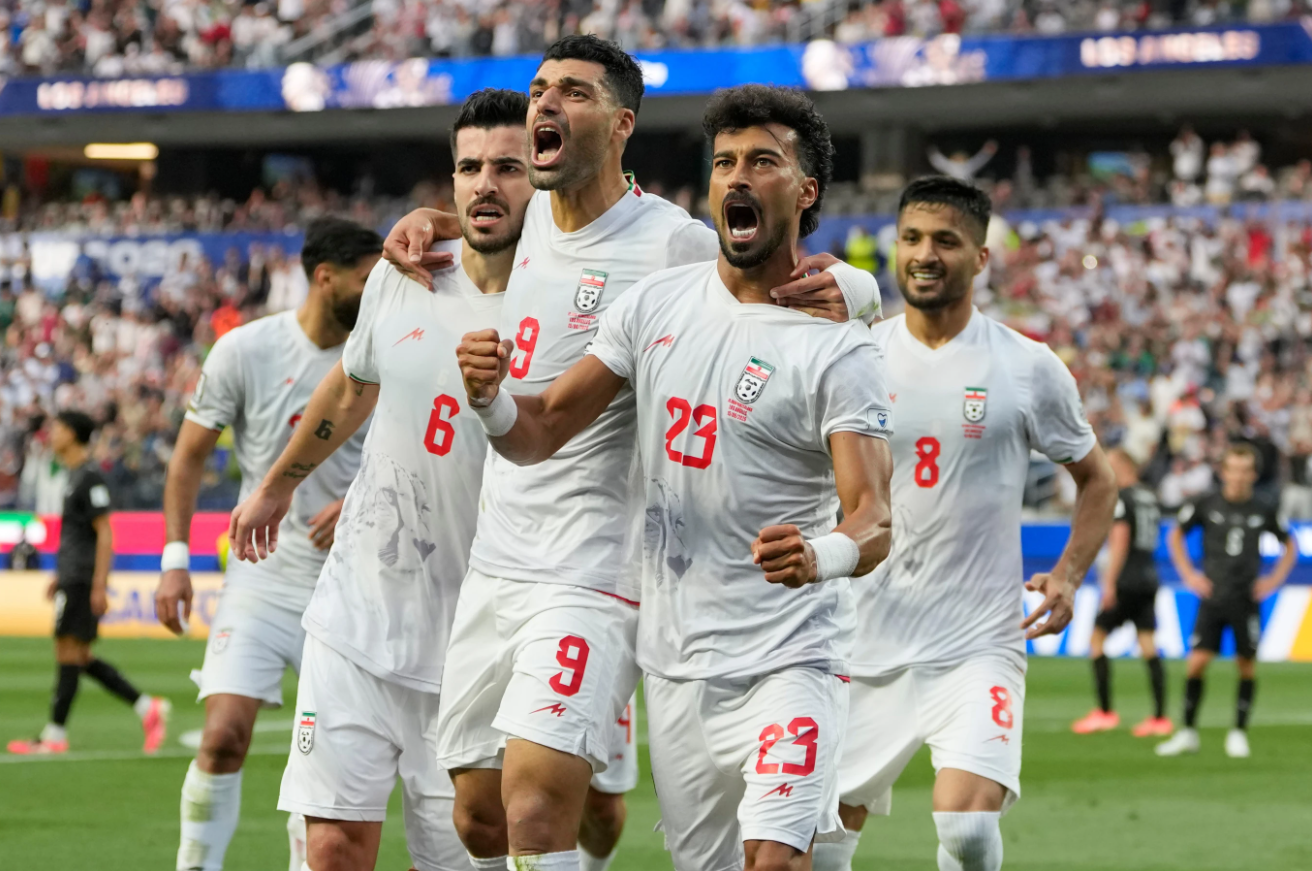
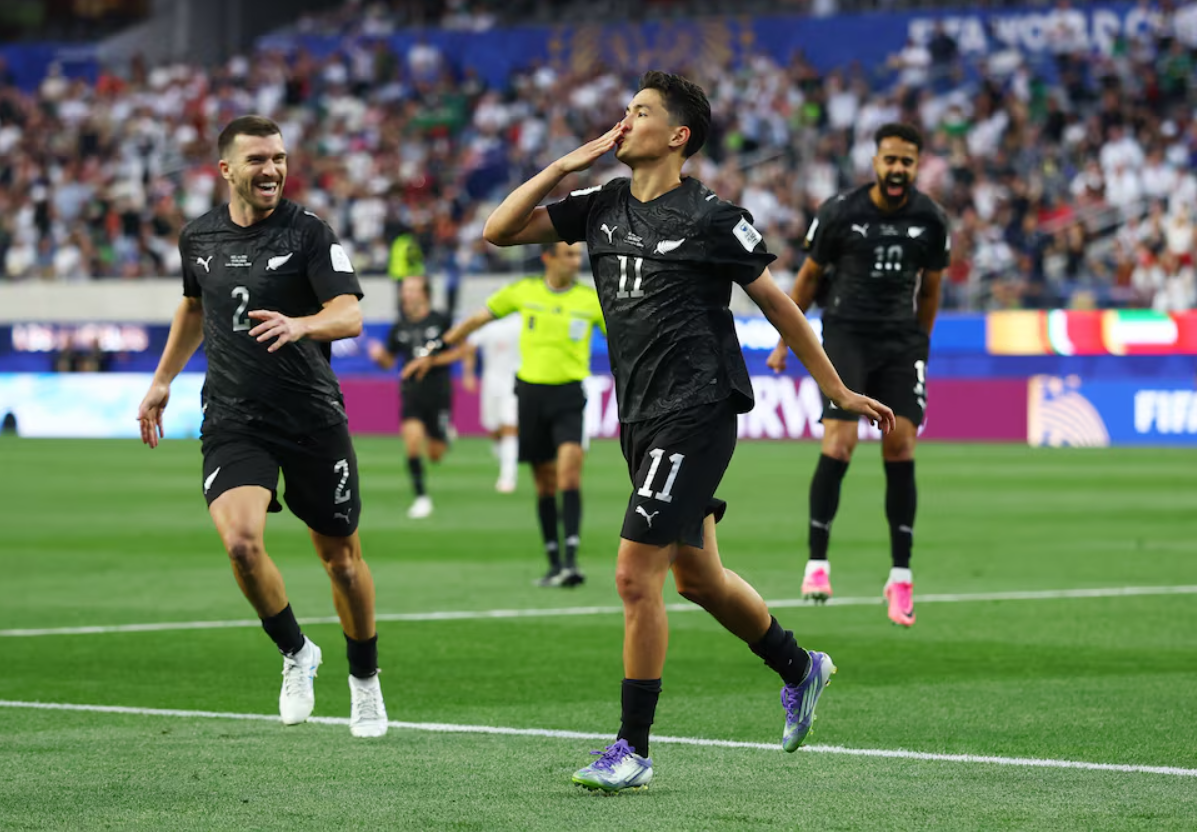
However, the first matchday showed that the gap between footballing nations is gradually narrowing. Despite losing 1-7 to Germany, Curacao surprised their opponents by equalizing and maintaining parity for a considerable period. New Zealand twice led Iran before settling for a 2-2 draw, and Jordan also posed many challenges for Austria despite ultimately losing 1-3.
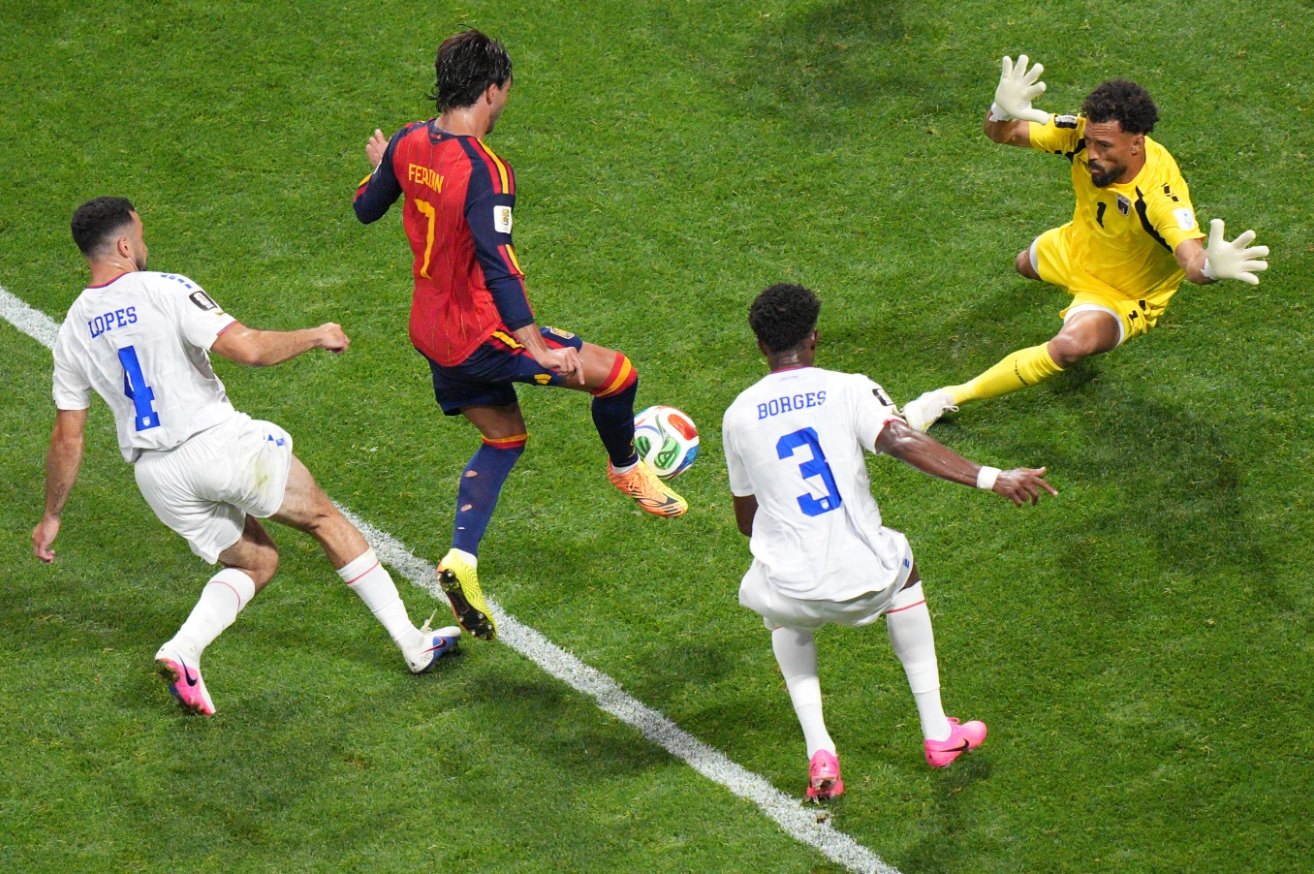
Most impressively, Cape Verde, making their World Cup debut, delivered one of the biggest surprises of the opening round by holding Spain to a 0-0 draw. Veteran goalkeeper Vozinha, at 40 years old, became a hero with a series of saves, helping the African representative keep a clean sheet against one of the tournament favorites.
The likelihood of these teams progressing deep into the tournament remains low. Yet, their performances in the first matchday demonstrate that the World Cup 2026 is no longer solely the domain of the giants. With fighting spirit and confidence, lower-ranked teams can certainly create surprises throughout the remainder of the competition.
 |
"Snicko" technology makes World Cup debut
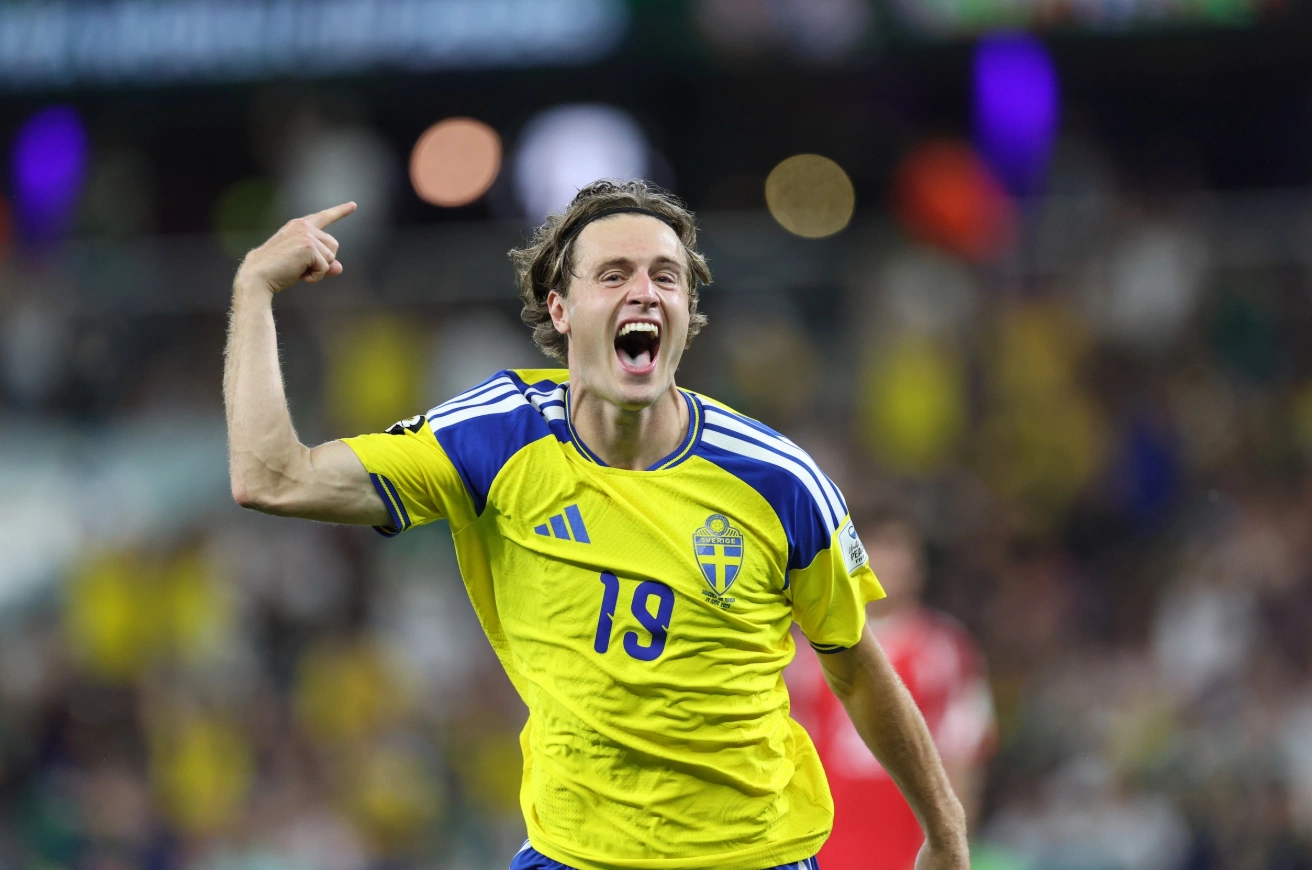
One of the most notable technological moments in the first matchday occurred during Sweden's 5-1 victory over Tunisia when VAR used data from a sensor within the ball to confirm Mattias Svanberg's goal.
The Swedish midfielder put the ball in the net just 18 seconds after coming on, but the goal was initially disallowed for offside. Upon review, the VAR team determined that forward Alexander Isak had made a slight touch on the ball before it reached Svanberg, thus changing the situation and placing the goalscorer onside.
The decision was made possible by impact-tracking technology inside the match ball, often dubbed "Snicko" by fans due to its operational similarity to the famous system used in cricket. The Adidas Trionda ball is embedded with a microchip capable of recording every point of contact and transmitting real-time data to the VAR team.
Replays showed a signal graph with a peak oscillation precisely when the ball grazed Isak's foot, confirming a touch that was nearly imperceptible to the naked eye. This served as the basis for the referee to reverse the decision and award the goal.
 |
Delayed kick-offs become common
One of the noticeable differences at the World Cup 2026 is the frequent delay of matches compared to their scheduled kick-off times. What was rare in European tournaments has become a recurring phenomenon in the early days of the competition.
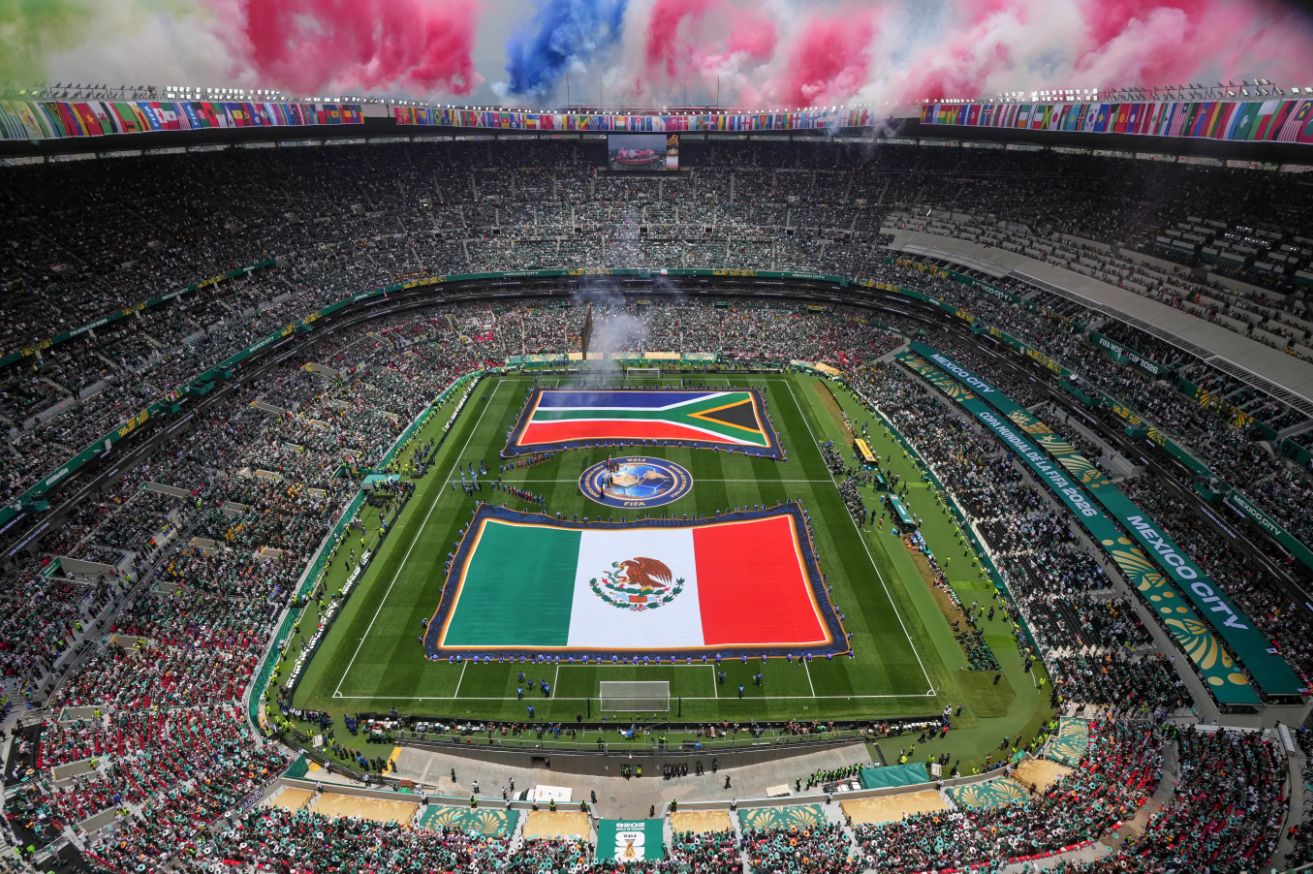
Even the opening match between Mexico and South Africa was delayed by about six minutes due to the opening ceremony. Subsequently, the match between France and Senegal also started about three minutes late, extending the tournament's "delay streak".
Some suggest this is a difference in organizational habits across regions, with sports events in America often having more flexible timings. Others argue that FIFA did not fully account for the necessary duration of pre-match ceremonial activities.
Alongside cooling breaks, extended injury time, and various unique organizational factors, delayed kick-offs are becoming one of the notable peculiarities of the World Cup 2026.
Hong Duy
Photos: Reuters, AP