When Nike unveiled its line of jerseys for the 2026 World Cup in late March, most fans and experts reacted positively. The US national team's design stood out as its most prominent in years, while teams such as France, England, Canada, and Uruguay also garnered good feedback.
 |
Kylian Mbappe's jersey shows an unusual phenomenon in the shoulder area. AFP
However, during the international matches of the FIFA Days in late March, when players first wore the new kits, fans quickly noticed an unusual detail: the shoulder seams were bulging, significantly affecting the aesthetics.
For some jersey designs, like those of the US national team, this flaw was subtle. Yet, on other designs, such as the one worn by star Kylian Mbappe, the bulge became noticeable, even described as "unflattering." Some Uruguay players were even compared to the villain Shredder from the movie Teenage Mutant Ninja Turtles due to their prominent shoulder lines.
On social media, many jersey purchasers reported similar issues. Some suggested that steaming or washing the jersey before wearing it might improve the situation, but many expressed frustration with the design.
A Reddit user wrote, "The way the shoulder area is sewn makes the jersey constantly wrinkle like that, no matter what you do. It might suit people with narrow shoulders, but for those with broad shoulders, there's no way to avoid it. This is a bad design".
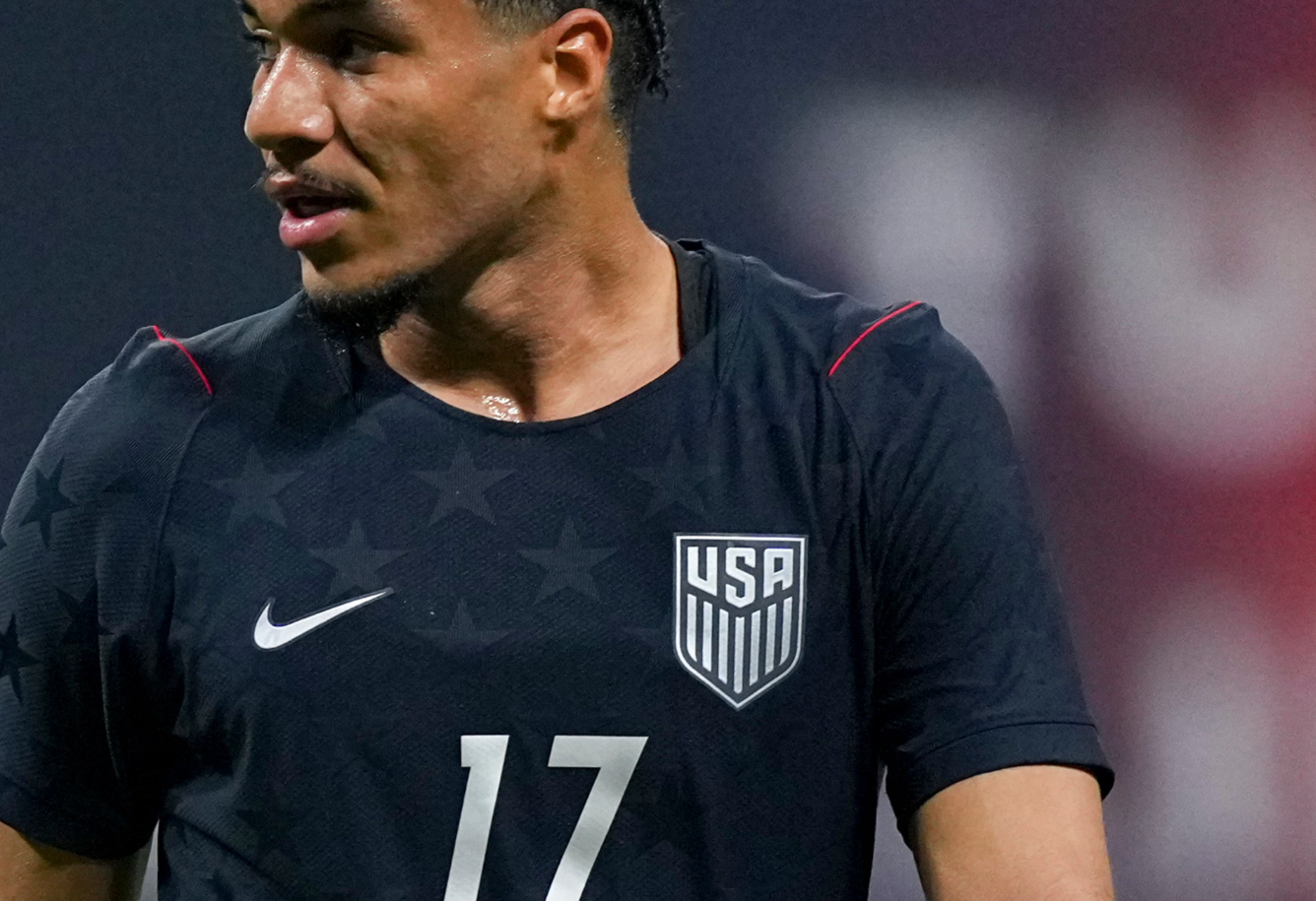 |
The US national team's dark-colored jerseys seem to have issues, while striped designs do not. ISI
With prices ranging from $100 to $200 per jersey, this defect became a significant problem, not only for fans but also for teams and players aiming for a polished image at the planet's biggest tournament.
In response to the feedback, Nike acknowledged the issue. In a statement to the press, the company noted a minor flaw in the shoulder area, emphasizing that performance remained unaffected, but the aesthetic appeal was not up to par.
According to Nike, the jerseys utilize Aero-FIT technology, combining computational design and specialized weaving techniques to help players stay cool in the hot playing conditions expected in the US, Canada, and Mexico. This process also integrates performance data and AI elements to support the design.
The sportswear brand is working with federations and partners to evaluate solutions. The possibility of design modifications or customer support has not yet been determined, especially as the 2026 World Cup is set to kick off in over two months, and a significant number of jerseys have already been sold.
Nike stated it is working quickly to resolve the issue, affirming that each jersey must reflect the care and highest standards that football deserves.
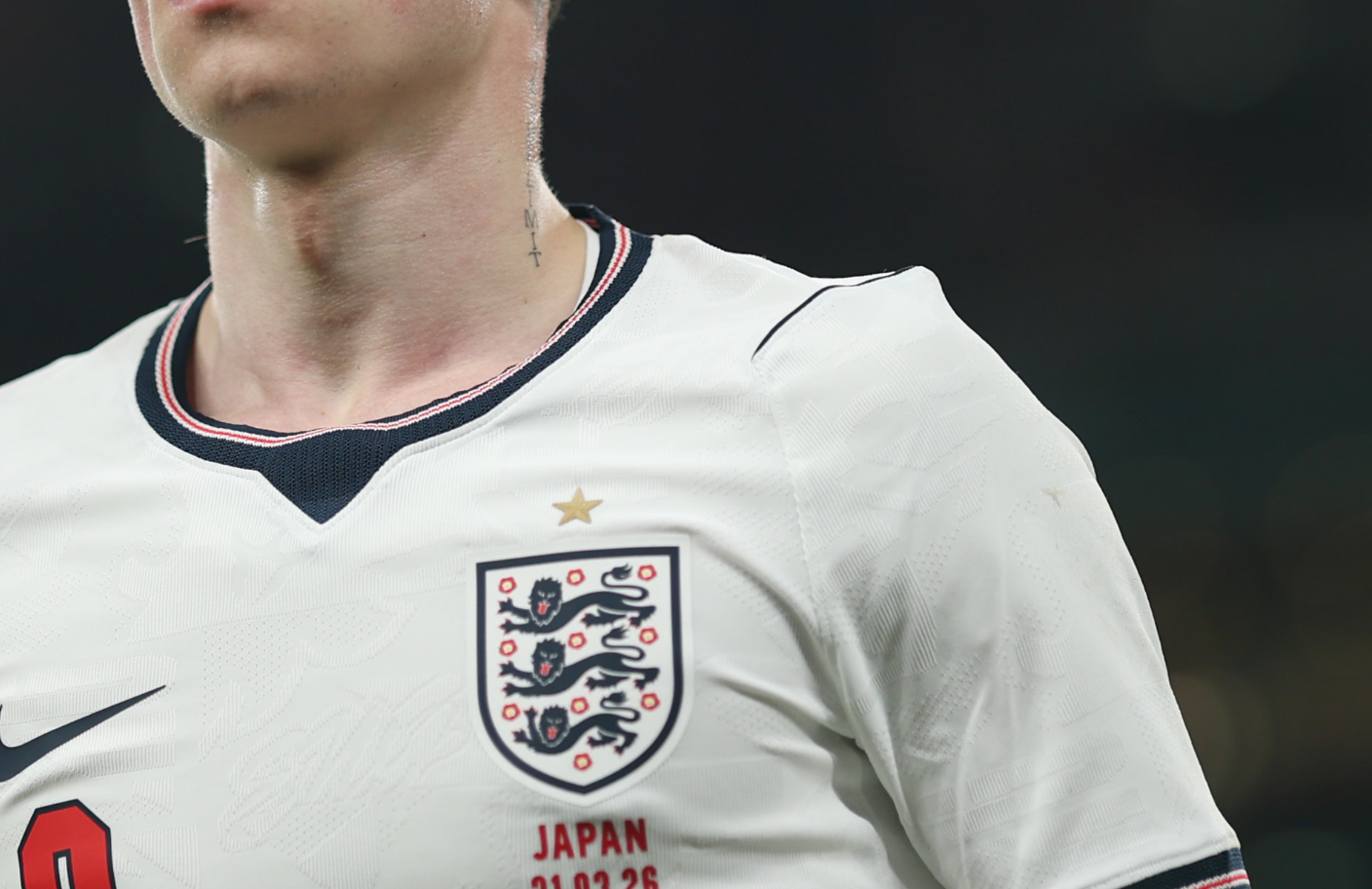 |
The England national team's home jersey also has a similar issue, but it is less noticeable than other designs. The FA
Nike began producing jerseys in 1979, outfitting the Portland Timbers of the defunct North American Soccer League. The brand entered the European market in 1983 through a partnership with Sunderland and launched its first national team jersey in 1994: the Nigerian national team kit, used only in a friendly match against the England national team.
By 1995, Nike expanded its partnerships to include many other national teams, including the US, which has continuously worn Nike kits and is expected to continue until at least 2033 under a long-term contract. England has worn Nike jerseys since 2013, with its current contract with the England Football Association (FA) extending until 2030.
Hong Duy (Source: The Guardian)