Herbert Hainer, chairman of Bayern Munich, offers a unique perspective on the club's identity, emphasizing its unwavering independence, deep-rooted traditions, and commitment to social responsibility. As a lifelong Bayern fan, Hainer views his role as a "pure honor and happiness," driven by a passion that began in childhood, watching legends like Franz Beckenbauer from the stands.
Hainer's dedication extends to attending all men's team matches, alongside women's and basketball games whenever possible. He considers this a privilege, despite the role requiring more effort than he initially imagined. He notes, "With Bayern, you can be busy seven days a week."
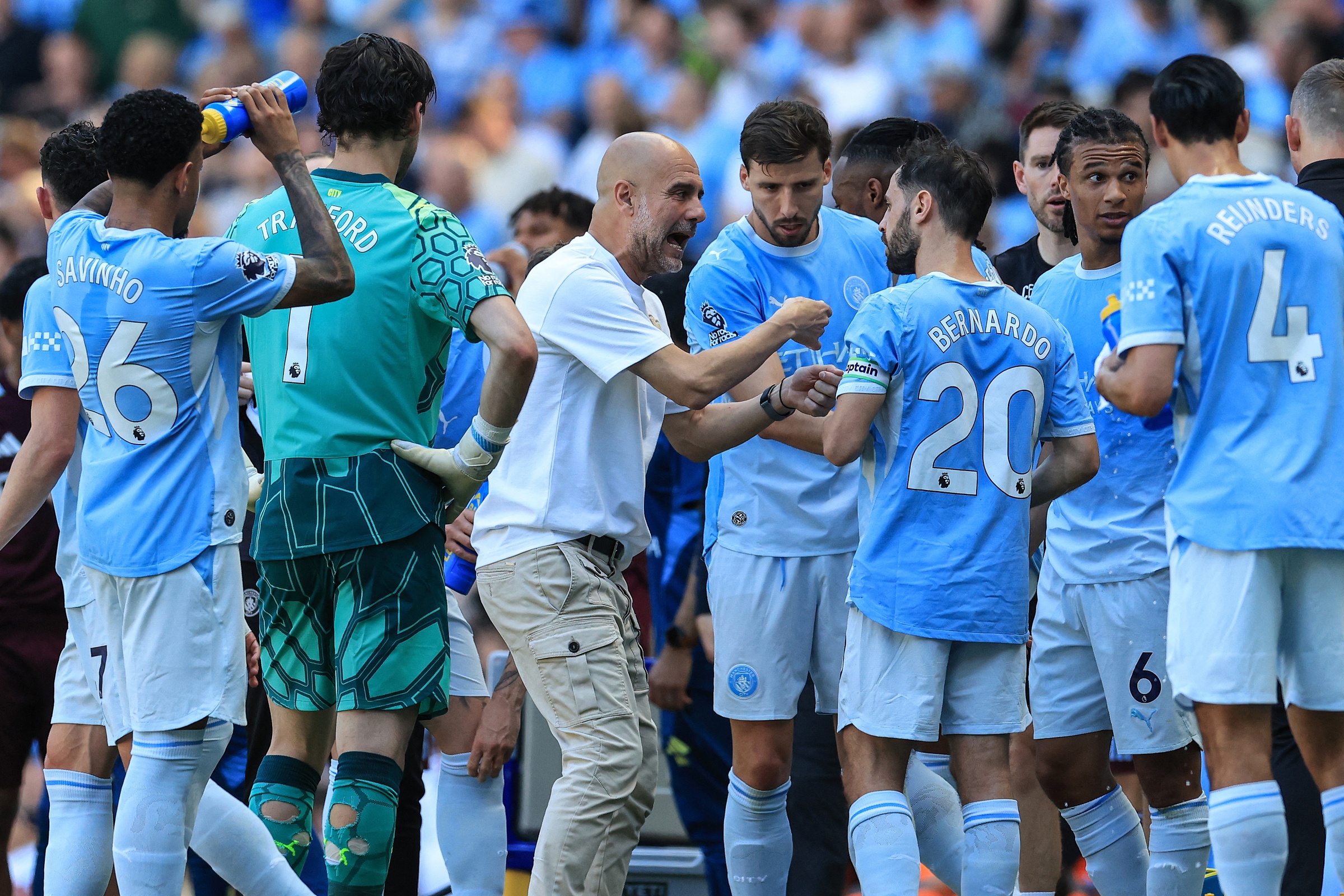
Addressing the constant media scrutiny and the influence of club legends like Uli Hoeness (Bayern chairman 2009-2019) and Karl-Heinz Rummenigge (former chief executive officer, now a supervisory board member), Hainer explains that such attention is a testament to the club's stature. He refers to Hoeness and Rummenigge as "icons" whose opinions are naturally sought by the media. Bayern highly values their contributions, considering them "family" within the club, a contrast to other clubs that rely on external consultants. For example, when considering Vincent Kompany for a coaching position, the club leveraged Rummenigge's connections, asking him to contact Pep Guardiola for valuable insights, given Kompany's playing history under Guardiola at Manchester City. Hainer clarifies that public statements from these figures are always pre-agreed internally, ensuring consistency with the club's official stance.
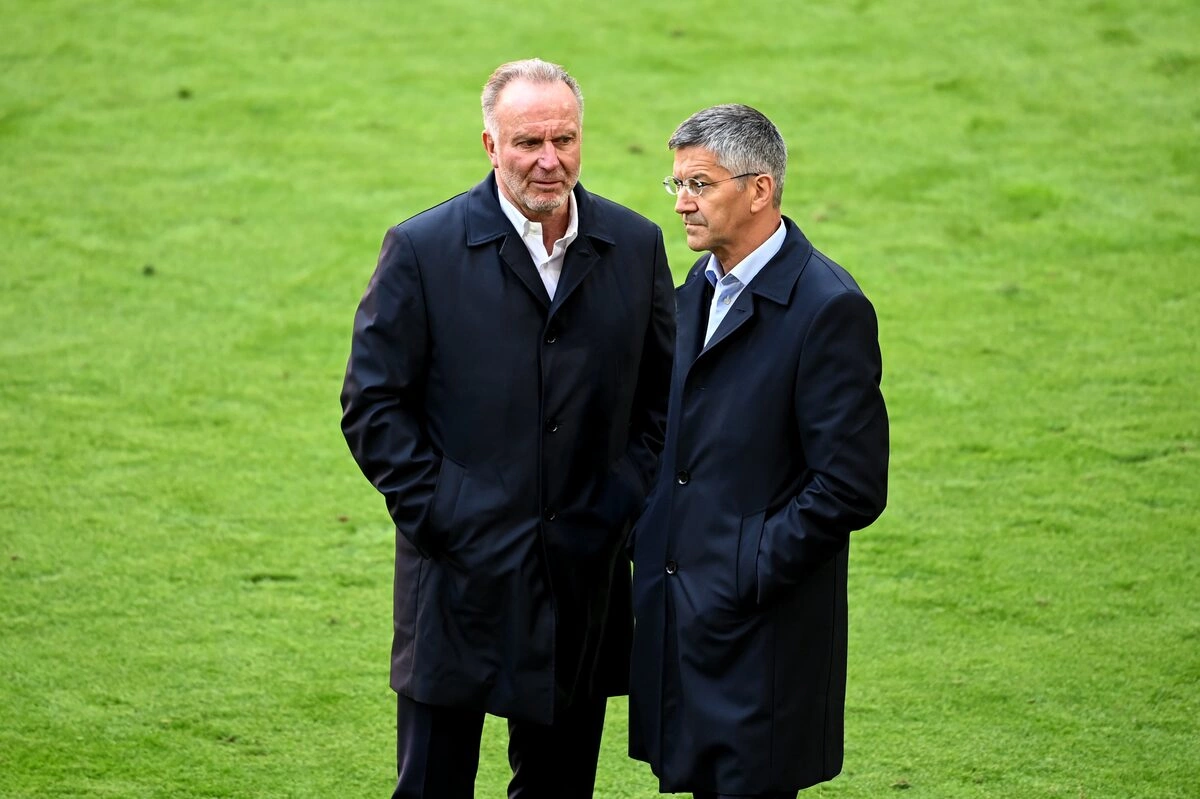 |
Bayern chairman Herbert Hainer (right) and former club chief executive officer Karl-Heinz Rummenigge. *Reuters* |
Hainer asserts Bayern's distinctiveness in an era where many major clubs are becoming increasingly similar. He highlights the club's independence from major investors who might dictate decisions, contrasting it with clubs backed by billionaires, investment funds, or states. "Independence is our most valuable asset," Hainer states, pointing to Bayern's consistent profitability for the past 25 years, even during the Covid-19 pandemic. He illustrates this unique atmosphere with Harry Kane, who, despite having a clause to return to England, has never considered it, feeling "too comfortable" in Munich.
While Bayern operates differently, the club still makes strategic investments. Hainer justifies the 111 million USD acquisition of Harry Kane by citing the escalating competition, particularly from the financial might of English teams. He notes the significant disparity in television rights revenue: the Premier League generates 4,7 billion USD annually, compared to the Bundesliga's 1,4 billion USD. However, this investment is balanced by a strong commitment to youth development. This season, 10 talents from Bayern's youth academy, including Musiala, Pavlovic, Stanisic, and Lennart Karl, made their professional debuts. This blend of strategic acquisitions and internal talent ensures continued success while maintaining economic viability.
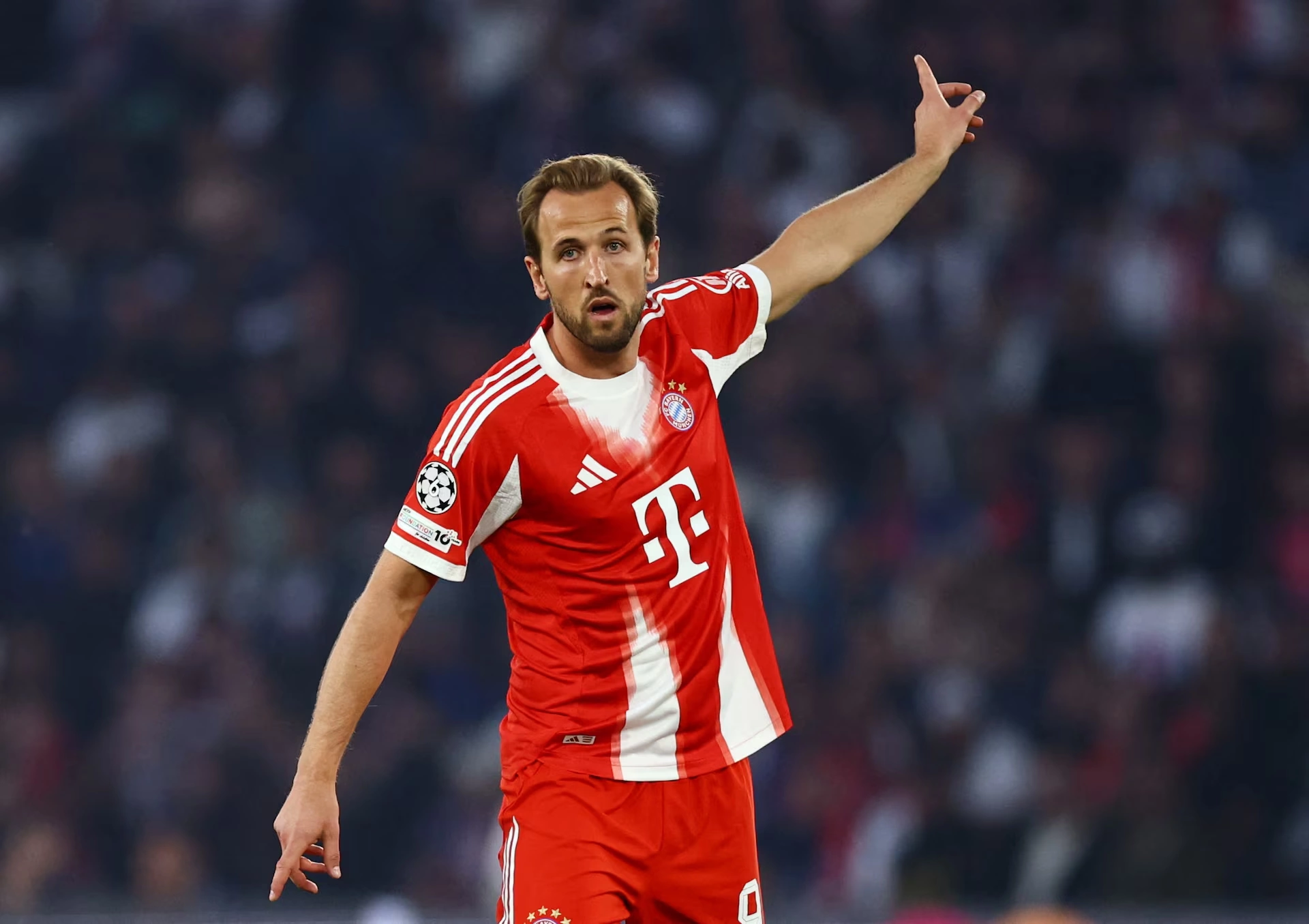 |
Bayern is achieving success with the Harry Kane signing. *Reuters* |
Comparing Bayern with Paris Saint-Germain (PSG), Hainer expresses high respect for PSG's achievements under chairman Nasser al-Khelaifi. He is particularly impressed by PSG's recent self-reflection and pivot away from a "superstar model" that featured players like Neymar or Messi. PSG's decision to appoint Luis Enrique, a coach who trusts young players and builds a team with which fans can identify, exemplifies this evolution. Hainer emphasizes that "identity is key," and PSG has reinvented itself to truly belong to the elite of world football.
Hainer acknowledges the challenge of honoring tradition while adapting to a rapidly changing football landscape. He believes tradition becomes a "shackle" if dogmatically adhered to, but a "strength" if past success factors are effectively adapted to the present. He recalls Bayern's three consecutive European Cup victories in the 1970s with legends like Beckenbauer, Gerd Muller, and Sepp Maier. The club consistently integrates former players into leadership roles, ensuring that sports remain central to all decision-making.
These traditions manifest in various ways, such as players visiting fan clubs at Christmas and both men's and women's teams wearing traditional Bavarian attire, Lederhosen, at the Oktoberfest. This local cultural engagement is balanced with a global presence, as the team might celebrate championships in Lederhosen before traveling to places like Hong Kong or South Korea in August before the new season. Hainer encapsulates this philosophy by stating, "Our DNA is priceless. You either have it or you don't. DNA cannot be bought. Tradition is not a museum exhibit; we wear it right under our jerseys."
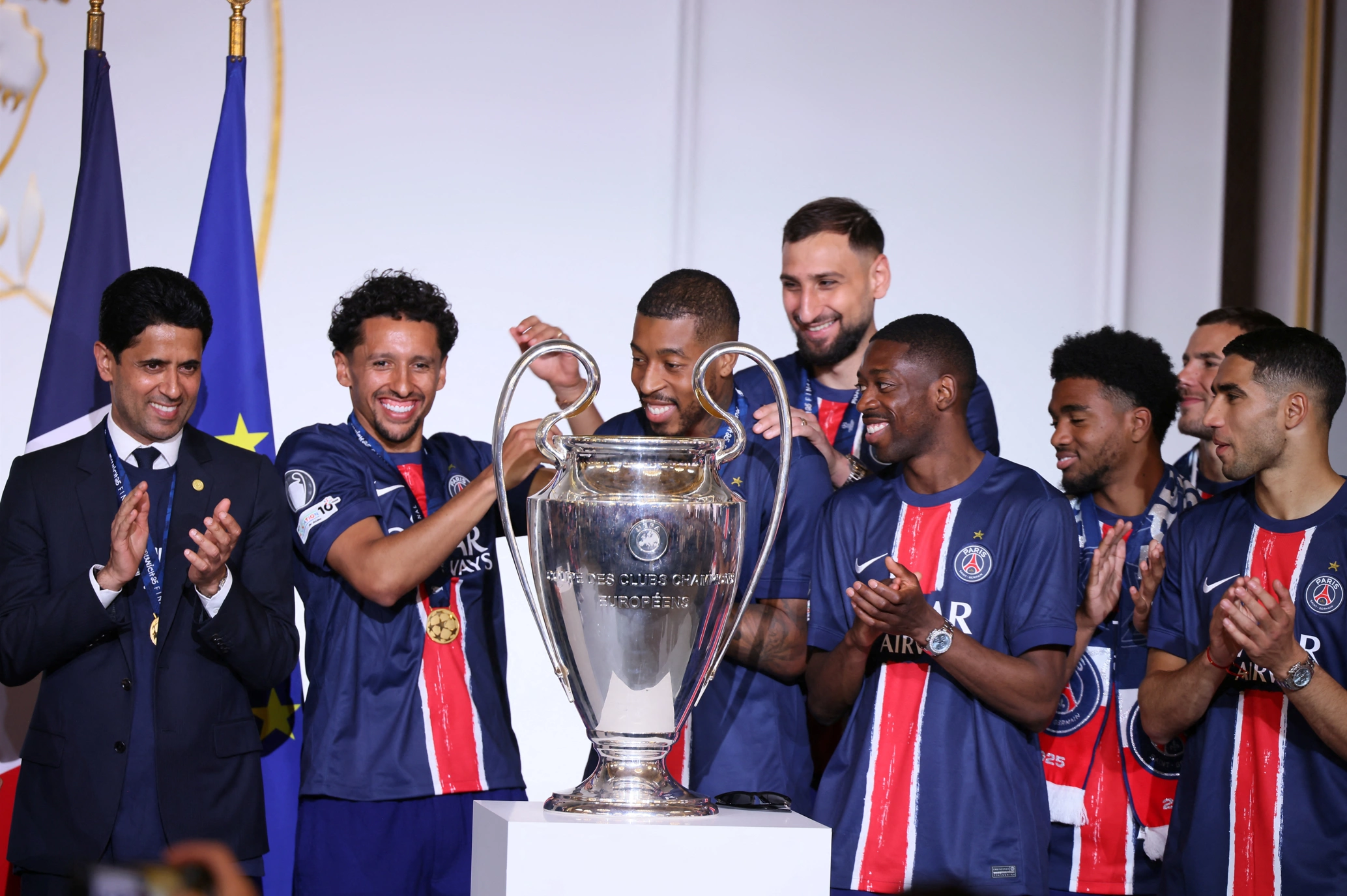 |
Bayern chairman believes PSG has re-evaluated itself and is on a solid path. *Reuters* |
Looking to the future, Hainer is confident that Bayern will maintain its core identity. He affirms that current leadership is committed to Bayern remaining a club with "heart and soul," where values are practiced daily. Upon taking office, he delivered a clear message: Bayern must "never be allowed to become a purely football business."
Reflecting on recent club history, Hainer cites the "sextuple" (six trophies in one season) in 2020 as a great moment. However, he expresses greater pride in Bayern's social commitments. He credits Franz Beckenbauer and Uli Hoeness with laying the foundation for social responsibility at the club. His personal passion project, "Red Against Racism" (Rot gegen Rassismus), actively combats all forms of discrimination. Hainer believes that in these turbulent times, people yearn for connection, which they can find at Bayern. He sends a clear message to those who seek to divide: "Exclusion will always fail, whether in sports or in life."