The Premier League's independent commission has issued a 40-page "core decision" on 29/9, detailing Man City's violations of financial regulations. This ruling is considered final, with the only recourse being an appeal to the appeals panel.
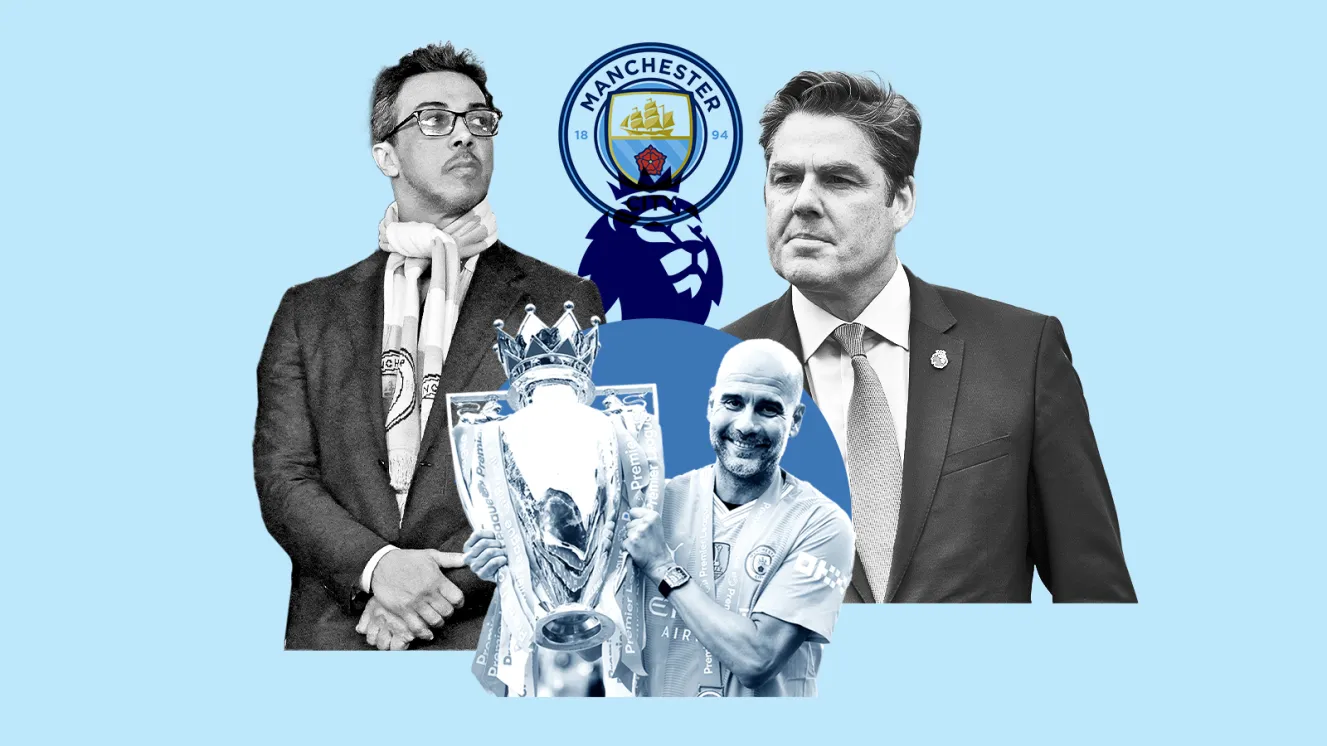 |
From left to right: Man City owner Sheikh Mansour bin Zayed al-Nahyan, Pep Guardiola, and Premier League CEO Richard Masters. *Photo: The Times* |
In its 29/9 announcement condemning Man City, the Premier League included the simplified core decision from the independent commission. It also noted that a substantial volume of accompanying appendices would be released once conditions permit.
Comprising legal, financial, and other relevant experts, the independent commission operates free from the Premier League's influence or control. Once the commission reaches a conclusion, it is deemed a "final decision." Man City's deadline to appeal this decision to the appeals panel, another independently established body, was 2/10.
With the charges now proven, the matter of sanctions will be addressed separately in a subsequent arbitration hearing with the independent commission. Premier League regulations stipulate that this hearing will remain confidential until its outcome is authorized for public release.
To reach the recently published verdict, the independent commission conducted 42 days of hearings, concluding in 12/2024. In addition to all documents used during the trials, the commission reviewed approximately 7,000 pages of verbatim witness and expert testimony transcripts, detailed written submissions from both parties (supplemented orally during the final four days of hearings) concerning the evidence, and numerous other issues uncovered.
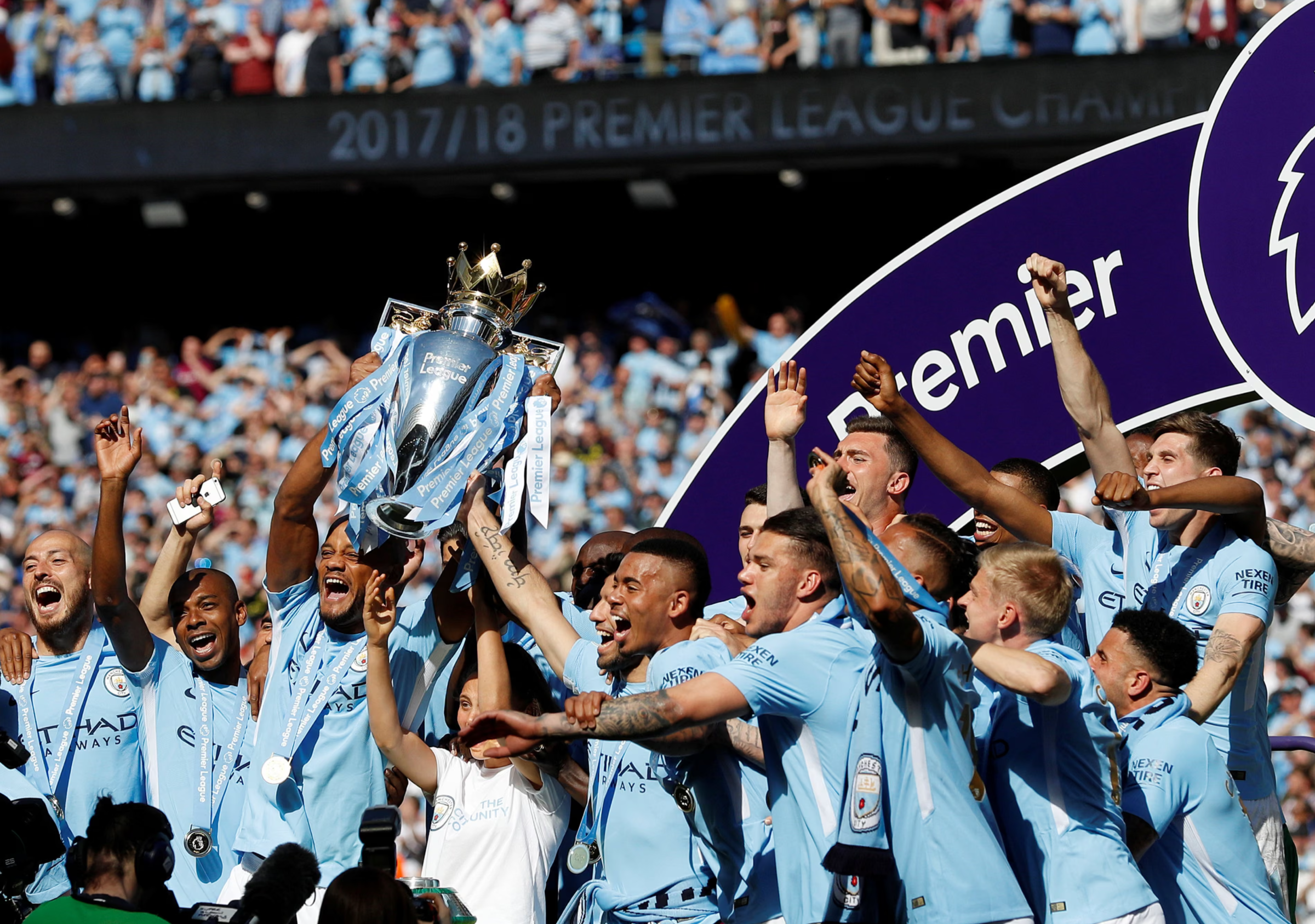 |
Man City players celebrate their 2017-2018 Premier League championship at Etihad Stadium, Manchester, England. *Photo: Reuters* |
**"Phantom" Sponsorship Deals**
Man City's violations primarily concerned sponsorship revenue from the 2009-10 to 2017-2018 seasons. The independent commission concluded that the majority of these funds were paid by the Abu Dhabi United Group Investment & Development Ltd (ADUG), owned by club owner Sheikh Mansour bin Zayed al-Nahyan, rather than genuine sponsorship partners.
"Man City, from the outset under owner Mansour, recognized the need for enormous capital if they were to realize the club's ambitions," the commission stated in its ruling. "Initially, funds were injected directly by the owner. However, the club realized this was not a sustainable model under financial fair play rules. Therefore, they needed to develop commercial operations, and one chosen method was to seek high-value sponsorship deals in the UAE and Abu Dhabi."
In the core decision, the term "Abu Dhabi sponsorship" is mentioned 48 times. Section 81 states: "These Abu Dhabi sponsorship agreements were artificial and/or did not reflect the true economic nature of the agreements the club had actually entered into with its partners. However, by concealing the true nature of these Abu Dhabi sponsorship agreements and presenting them as legitimate commercial relationships, the club legitimized the recognition of the full sponsorship fees as commercial revenue."
The verdict labeled these "phantom" sponsorship deals as a "disguised funding scheme (DFS)." The sponsor would pay only a small percentage, termed the "base sum" by the commission. The remaining portion, or "tagged sum," would be paid by Mansour himself, or at least by ADUG, the company he established to manage Man City.
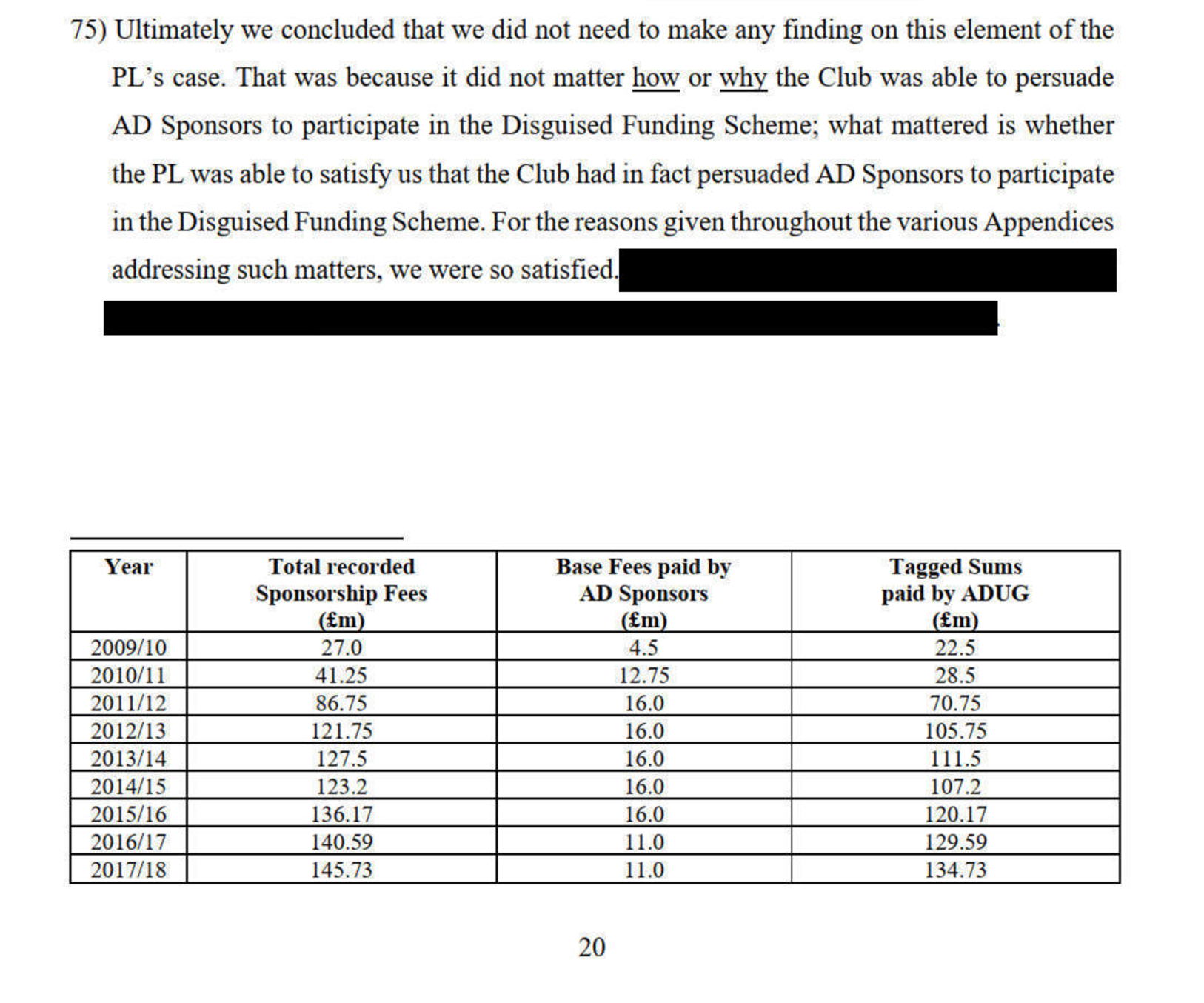 |
Section 75 of the core decision published on 29/9/2026 includes a table summarizing the seasons in which Man City was found to have inflated sponsorship values: the first column is the violating season, the second column is the inflated value of sponsorships (in millions of British pounds), the third column is the base sponsorship fee from partners (in millions of British pounds), and the fourth column is the tagged sponsorship fee – the inflated amount (in millions of British pounds). *Photo: Core Decision from the Independent Commission* |
Section 75 provides a statistical table clearly demonstrating how this mechanism allowed Man City to inflate sponsorship revenue by 949,94 million GBP (1,260 billion USD) between 2009-2010 and 2017-2018. However, the actual sponsorship amount was only 119,25 million GBP (158 million USD). The remaining 830,69 million GBP (1,101 billion USD) was money directly injected into the club by ADUG.
This 830,69 million GBP should have been recorded in Man City's annual financial reports as equity contributions from ADUG. By using the DFS specifically for the 2009-2010 season, the club avoided "breaking the record for the largest single-season loss in Premier League history." Such a loss would have prevented Man City from complying with the then-existing financial fair play regulations.
The 830,69 million GBP also accounted for 30% of Man City's total revenue during the investigated period. This figure significantly exceeded the total revenue of most competing clubs in the Premier League. The scale of the fraudulent funding also increased exponentially over time. In the 2009-2010 season, the commission identified the "tagged fee" paid by ADUG as 22,5 million GBP (nearly 30 million USD). By the 2017-2018 season, this figure had surged to 134,73 million GBP (approximately 179 million USD), a record high among the seasons brought to light.
The Premier League explained that sponsors were only obligated to pay a very small portion of the total sponsorship fees recorded in the books. Man City countered that Abu Dhabi sponsors "sometimes" applied for financial assistance from the Abu Dhabi government to fulfill their obligations, and these applications were approved, with financial support provided by the government through the Crown Prince's Office. In other words, Man City asserted that they had no involvement or interference in this matter.
Page 21 of the verdict states that this explanation was rejected. The names of the sponsors were redacted in the verdict, although previous investigations by German magazine Der Spiegel had linked Man City's two largest deals to UAE state-owned enterprises: Etihad Airways and telecommunications company Etisalat.
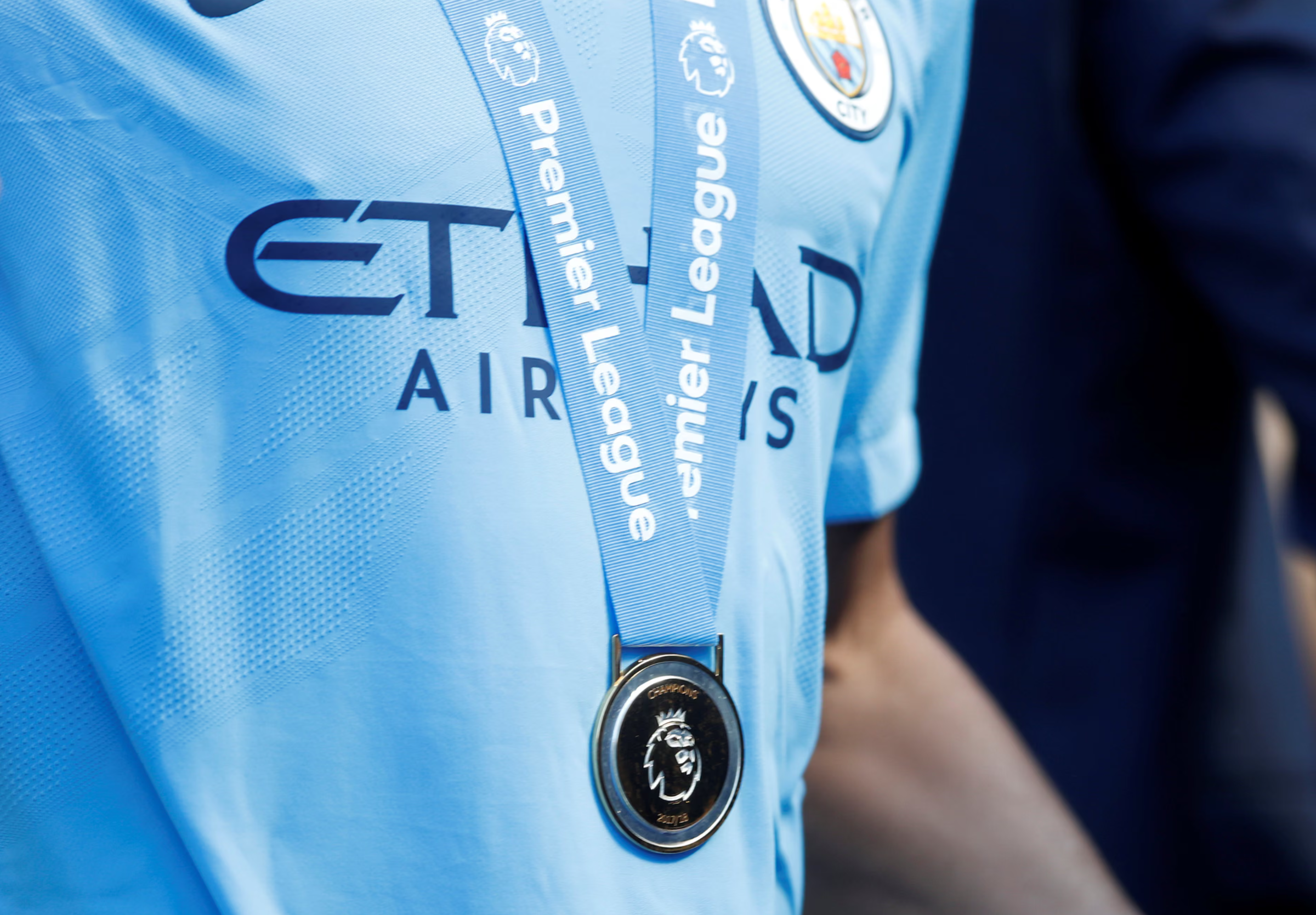 |
A Man City member with the 2017-2018 Premier League championship medal. *Photo: Reuters* |
**"Project Longbow" – "Fordham Agreement"**
The verdict released on 29/9 also detailed how Man City initiated "Project Longbow" in 2012, a scheme to transfer ADUG's funds to a third-party company called Fordham. Fordham subsequently acquired image rights from Man City at a price 90,2 million GBP (nearly 120 million USD) higher than their actual declared value.
The purpose of this method, and many others discovered, was to enable ADUG to secretly inject money into the club to cover significant image rights costs and player remuneration. This activity helped Man City remove tens of millions of British pounds in expenses from its books while falsely inflating operating revenue.
Specifically, Man City falsely reported 24,5 million GBP (32,5 million USD) in operating revenue, while "pushing" 49,414 million GBP (65,5 million USD) in accrued liabilities and player expenses off its balance sheet.
The name "Project Longbow" (referencing the legendary longbow in medieval English weaponry) was reportedly coined by Simon Cliff, a Man City lawyer, to evoke the English archers who defeated the French at the Battle of Agincourt.
In section 85 of the verdict, the agreement with Fordham is described as "a circular, artificial arrangement" that merely served as a front for ADUG, with funds from this entity representing operating revenue: "The purpose of these schemes was to inflate the club's revenue while further reducing expenses during the period of violation to create a facade of compliance with financial regulations."
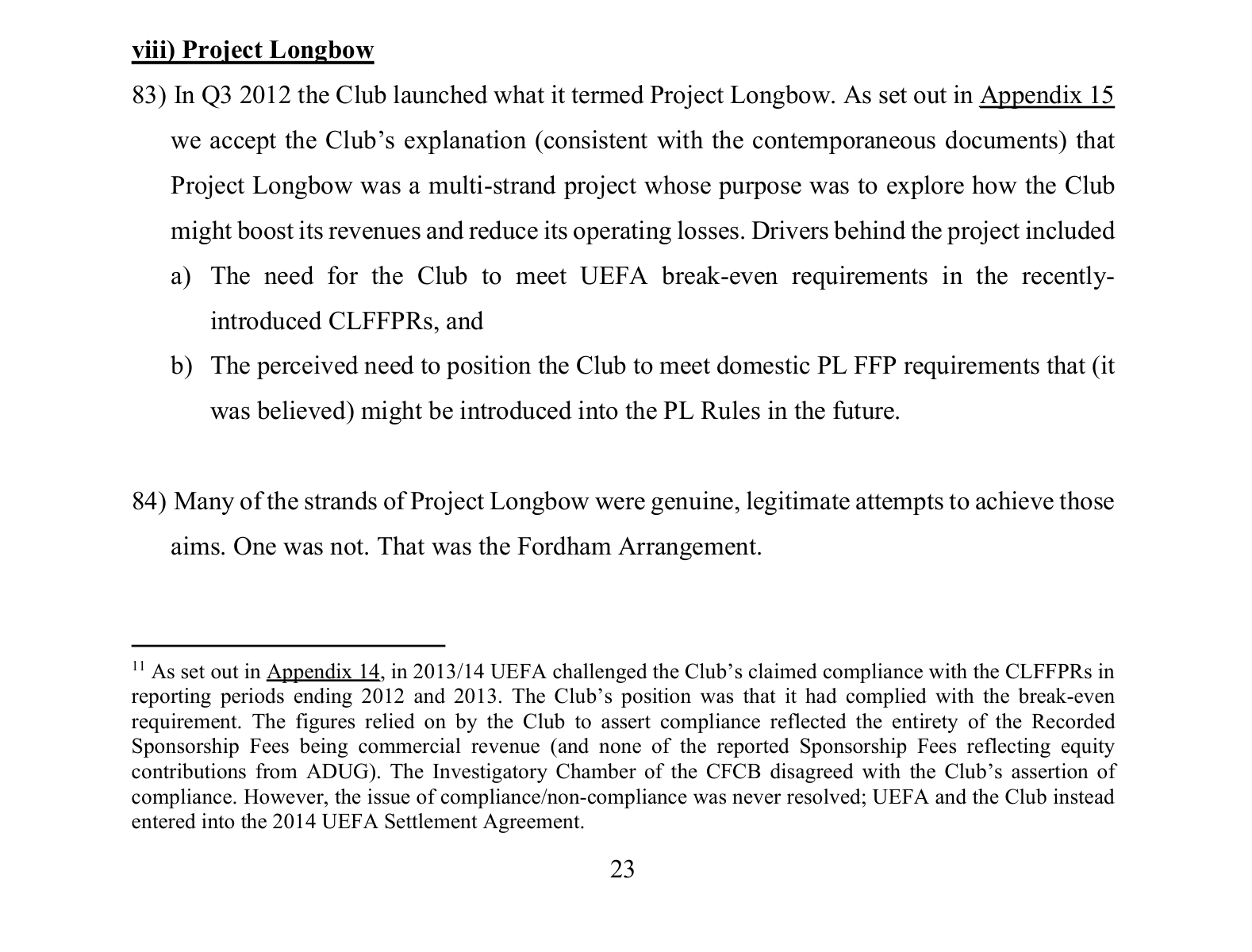 |
"Project Longbow" and the "Fordham Agreement" are referenced in the core decision from sections 83 to 87, 101, 136 to 138, and 140. *Photo: Core Decision from the Independent Commission* |
"Consequently, Man City inaccurately reported income and expenses for the purposes of the Premier League's Profitability and Sustainability Rules (PSR) as well as UEFA's Club Licensing and Financial Fair Play Regulations. The commission found that, had all related agreements been accurately reported in the club's accounts, they would have violated both the Premier League and UEFA spending limits by an extremely large margin," the verdict stated.
The verdict indicated that Man City would certainly have breached PSR regulations without using the fictitious sponsorship contracts, particularly concerning three seasons from 2015-2016 to 2017-2018.
Similarly, the Etihad-based club's violations of UEFA Financial Fair Play rules occurred over five consecutive seasons from 2013-2014 to 2017-2018, also stemming from "phantom" sponsorship schemes.
**Violations in Paying Roberto Mancini and Yaya Toure**
Man City paid coach Roberto Mancini through a secret consultancy agreement with Al Jazira (a "sister" club in Abu Dhabi), in addition to the official salary the Italian coach received at Man City, but "forgot" to declare this amount to the Premier League.
The total fraudulent amount in undeclared expenses was 8,86 million GBP (11,75 million USD) between 2009-2010 and 2012-2013, when Mancini served as head coach. His name was abbreviated/redacted in the verdict.
Emails collected showed that Mancini's Italian company, International Services (IIS), sent quarterly invoices to Man City. The club then transferred money to ADUG, which in turn transferred it to Al Jazira to pay the coach.
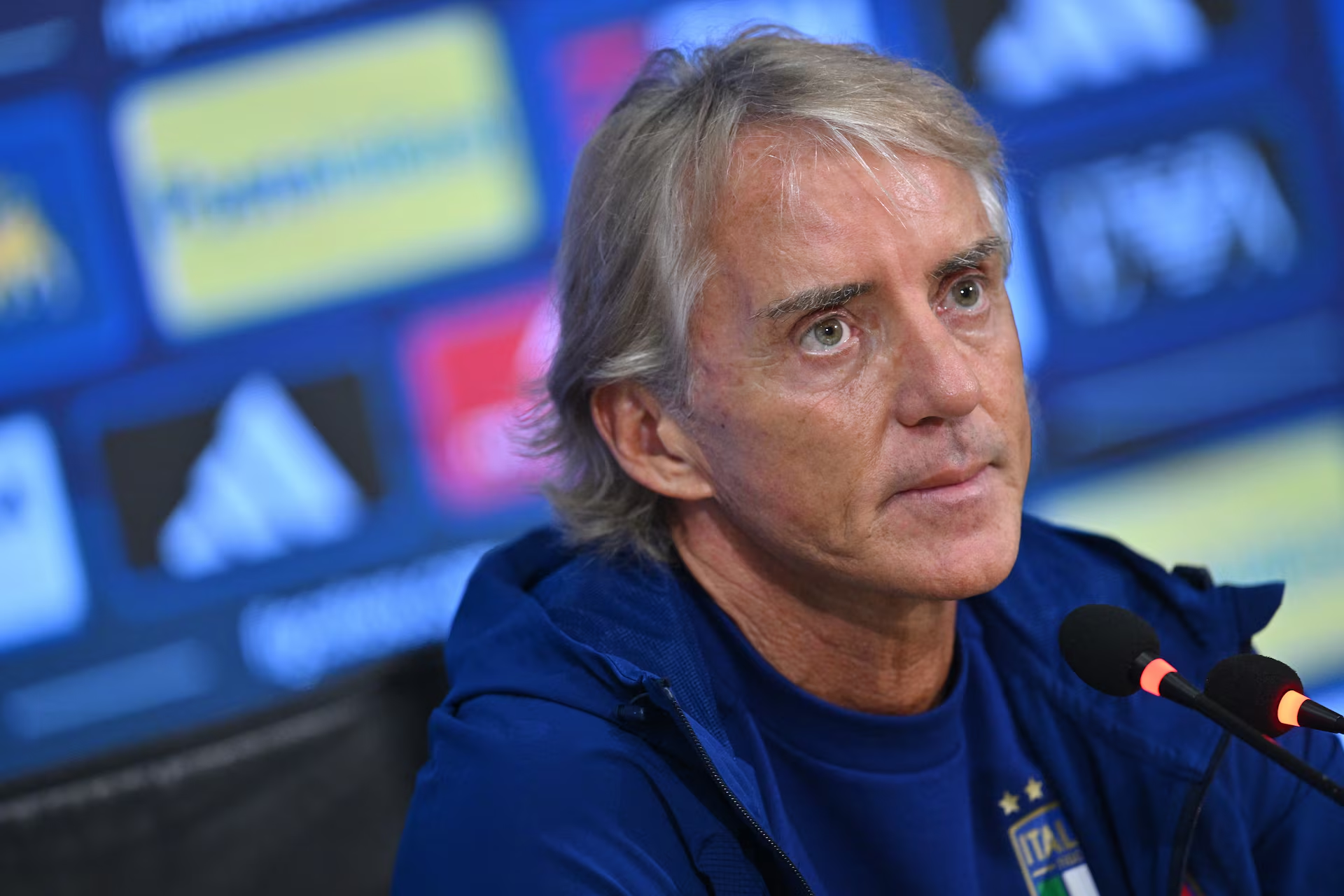 |
Coach Roberto Mancini during a press conference for the Italy national team at the Coverciano training center, Italy on 21/9/2026. *Photo: Reuters* |
The commission also ruled that ADUG paid "extremely large sums to a player that were not recorded in his contract with Man City," thereby "concealing the true extent of the team's wage obligations." ADUG covered this undeclared payment of 7,4 million GBP (9,81 million USD).
These secret agreements transpired "with the knowledge and approval" of individuals connected to the club. The charges included 12 violations of regulations requiring clubs to fully disclose player remuneration details in relevant contracts, though the verdict has not yet confirmed the specific player's identity.
However, Der Spiegel magazine previously published two contracts between an offshore company named DS Management Ltd (owned by Dimitri Seluk, Yaya Toure's agent at the time) and ADUG concerning image rights. These contracts stipulated payment schedules of 4 million EUR (4,54 million USD) and subsequently 4 million GBP (5,3 million USD) spread over several years. Typically, this amount should have been paid by Man City, not ADUG.
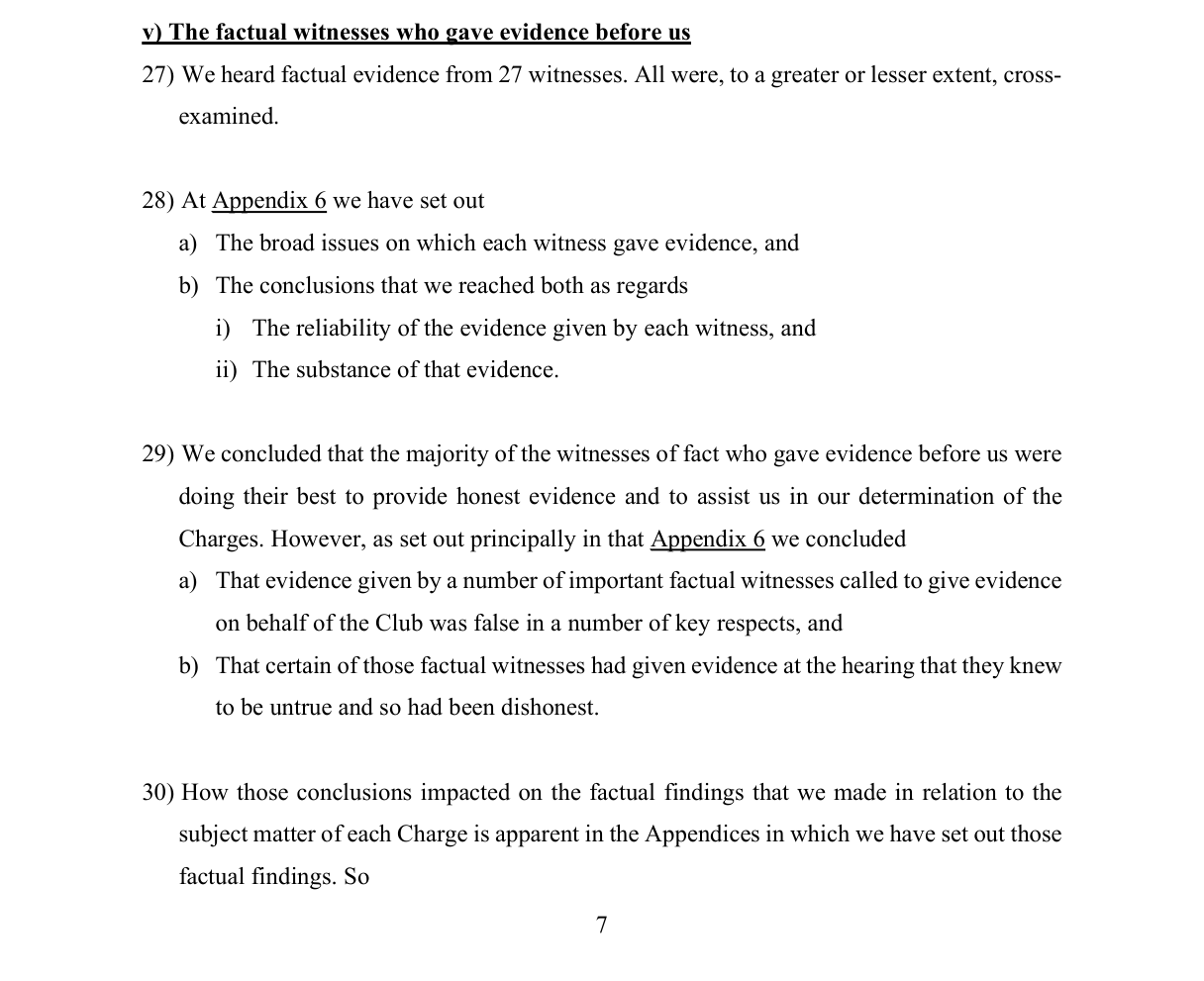 |
The independent commission's conclusion regarding false testimony by Man City representatives (points a and b of section 29). *Photo: Core Decision from the Independent Commission* |
**Witnesses Gave False Testimony, Club Uncooperative**
Page 8 of the verdict stated that testimony provided by several witnesses called to testify on behalf of the club was false in several key aspects. Some witnesses gave testimony at the hearing that they knew to be untrue, and were therefore dishonest.
Only one charge related to the duty to cooperate, out of "over 100 charges," was concluded by the commission to be unfounded. For the remaining charges, the commission found that Man City "sought to obstruct and sought to cause the investigation to fail," and violated their duty to cooperate with the Premier League. Specifically, there were six violations of this regulation each season, spanning five years from 2018-2019 to 2022-2023.
The independent commission's verdict described the legal dispute between Man City and the Premier League as "extremely fierce," with neither side intending to concede or show leniency. In some of its conclusions, the verdict emphasized: "No issue raised by Man City provided an element of defense or exoneration for any of the charges."
Hoang Thong