Seven members of the Iranian women's national team sought asylum in Australia and were granted humanitarian visas after their elimination from the 2026 Women's Asian Cup. This group included players: Zahra Ghanbari, Fatemeh Pasandideh, Zahra Sarbali, Mona Hamoudi, Atefeh Ramezanizadeh, Mohaddeseh Zolfi, and support staff member Zahra Meshkehkar.
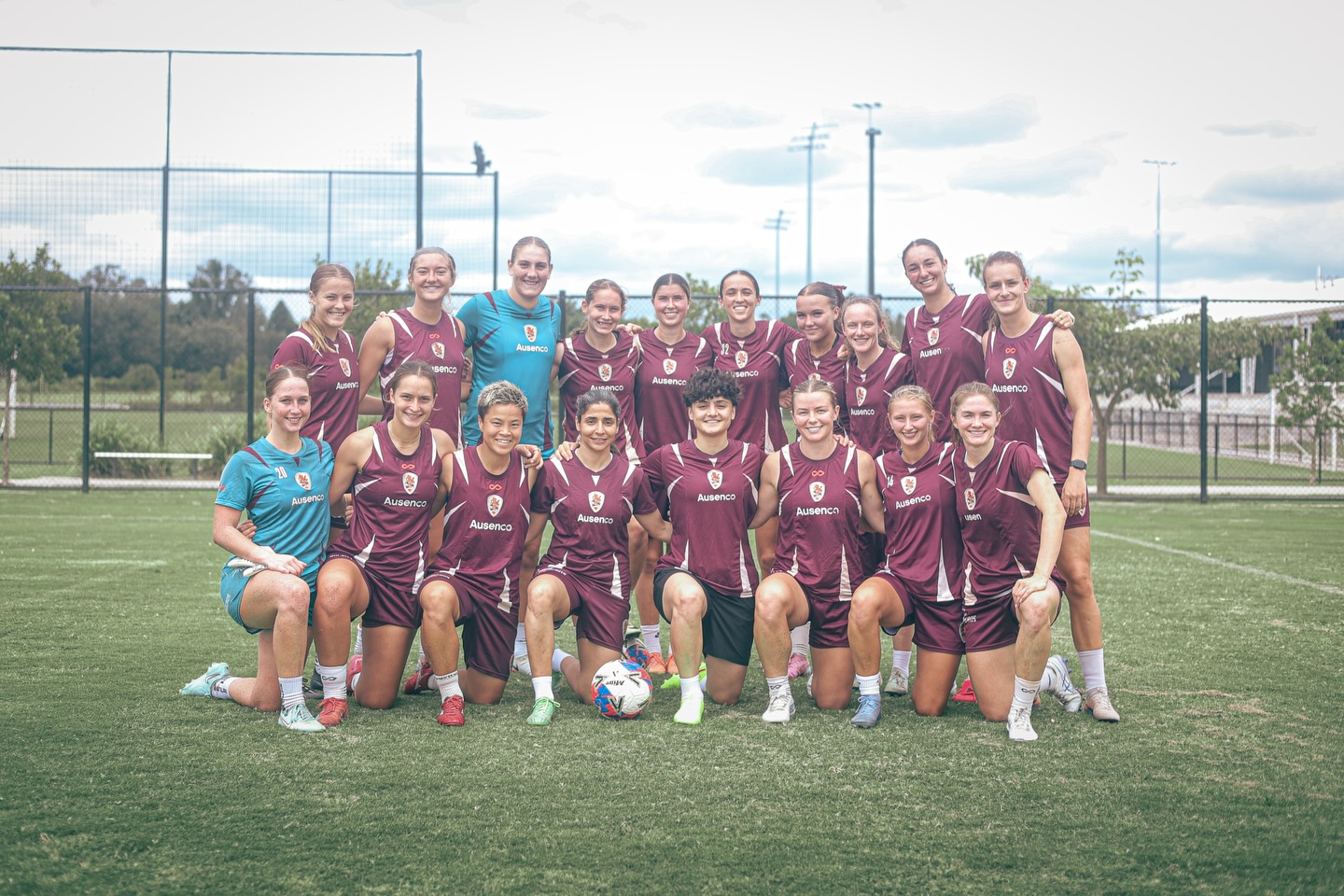 |
Fatemeh Pasandideh and Atefeh Ramezanisadeh (standing in the middle of the front row) were welcomed by the Brisbane Roar women's team during a training session. *Photo: Brisbane Roar FC*
However, only Pasandideh and Ramezanisadeh remained in Australia and joined a training session with the Brisbane Roar women's team. The club released images of the two players training alongside other team members.
Brisbane Roar Chief Executive Kaz Patafta stated that the club welcomed and supported the two players but declined further comment, directing inquiries to Australia's Department of Home Affairs.
"We are committed to creating a supportive environment so they can overcome this next phase," he said.
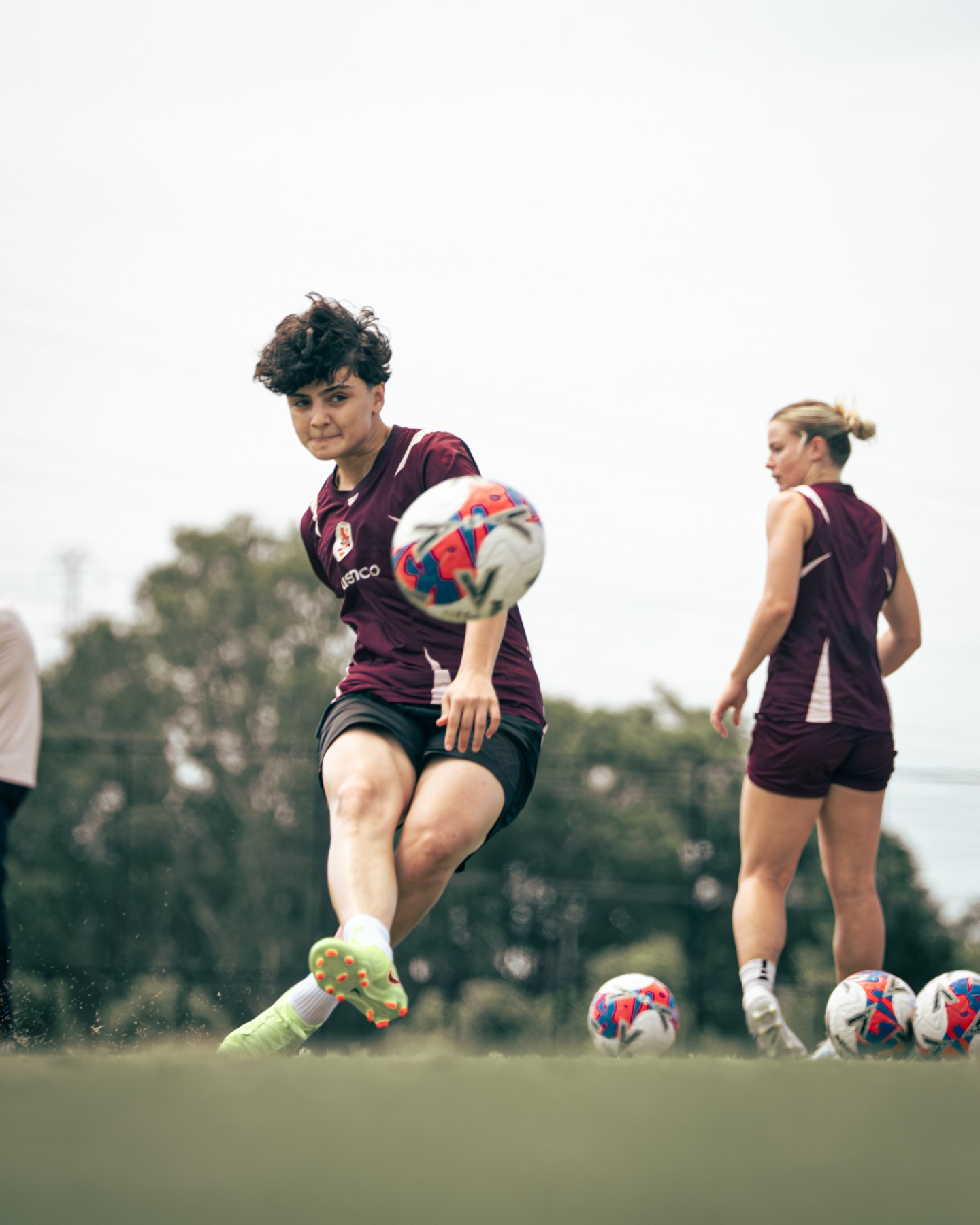 |
Fatemeh Pasandideh...
 |
... and Atefeh Ramezanisadeh during a Brisbane Roar women's team training session. *Photo: Brisbane Roar FC*
Meanwhile, the five other individuals declined to stay and returned to Malaysia to rejoin their national team. Captain Zahra Ghanbari was the fifth member to withdraw her asylum application and depart Australia this week. Sources indicate this decision came amid pressure on her family in Iran, with Ghanbari's mother reportedly "missing" or summoned for questioning.
Previously, Asian Football Confederation (AFC) General Secretary Windsor John stated that the organization was assisting the Iranian team in Kuala Lumpur. He said the AFC was informed the team would fly to Oman, but that was not their final destination, and the full travel plan remained undisclosed.
When asked if the AFC believed the players would be safe returning to Iran, John said the AFC and FIFA would maintain regular contact with the Football Federation of Iran to monitor the situation.
Iranian officials, for their part, welcomed the players' refusal of asylum, calling it a "victory" against Australia and US President Donald Trump.
The decision by the seven Iranian members to seek asylum reportedly stemmed from concerns after the entire team did not sing the national anthem before their match against South Korea in the opening round of Group A of the 2026 Women's Asian Cup on 2/3. Some media outlets called it the "pinnacle of disgrace." Mohammad Reza Shahbazi, host of the Footnote program on Iranian state television, declared the country's women's team should be considered "wartime traitors." Under Iranian law, this charge can carry the death penalty.
In the two subsequent matches, the team members sang the national anthem again and performed a military-style salute. However, some suggested the players were "coerced."
The Iranian women's national team arrived in Australia for the tournament just before the Middle East conflict escalated on 28/2, complicating travel.
Australian Assistant Minister for Immigration Matt Thistlethwaite noted the players' situation was complex. "These are deeply personal decisions. The government respects the choices of those who decide to return, while continuing to support the two players who remain," he said.
The two players remaining in Australia have been moved to an undisclosed safe location and are receiving support from the government and the Iranian community in the country.
Hong Duy (according to Daily Mail)