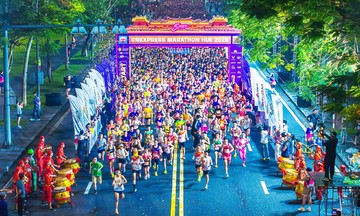
Urban marathons have long been characterized by long avenues, tall buildings, and bustling city life. However, a 2024 study published in *Sustainability* by Professor Idalia Kasprzyk of Rzeszow University, Poland, concluded that landscape is a crucial factor influencing participation decisions and improving recovery and race motivation.
This explains the growing interest among runners in nature-based events, where they not only complete the distance but also experience the surrounding environment. Coastal, forest, or mountain routes offer a fresh feeling, reducing monotony and sustaining interest throughout the journey, especially for long distances.
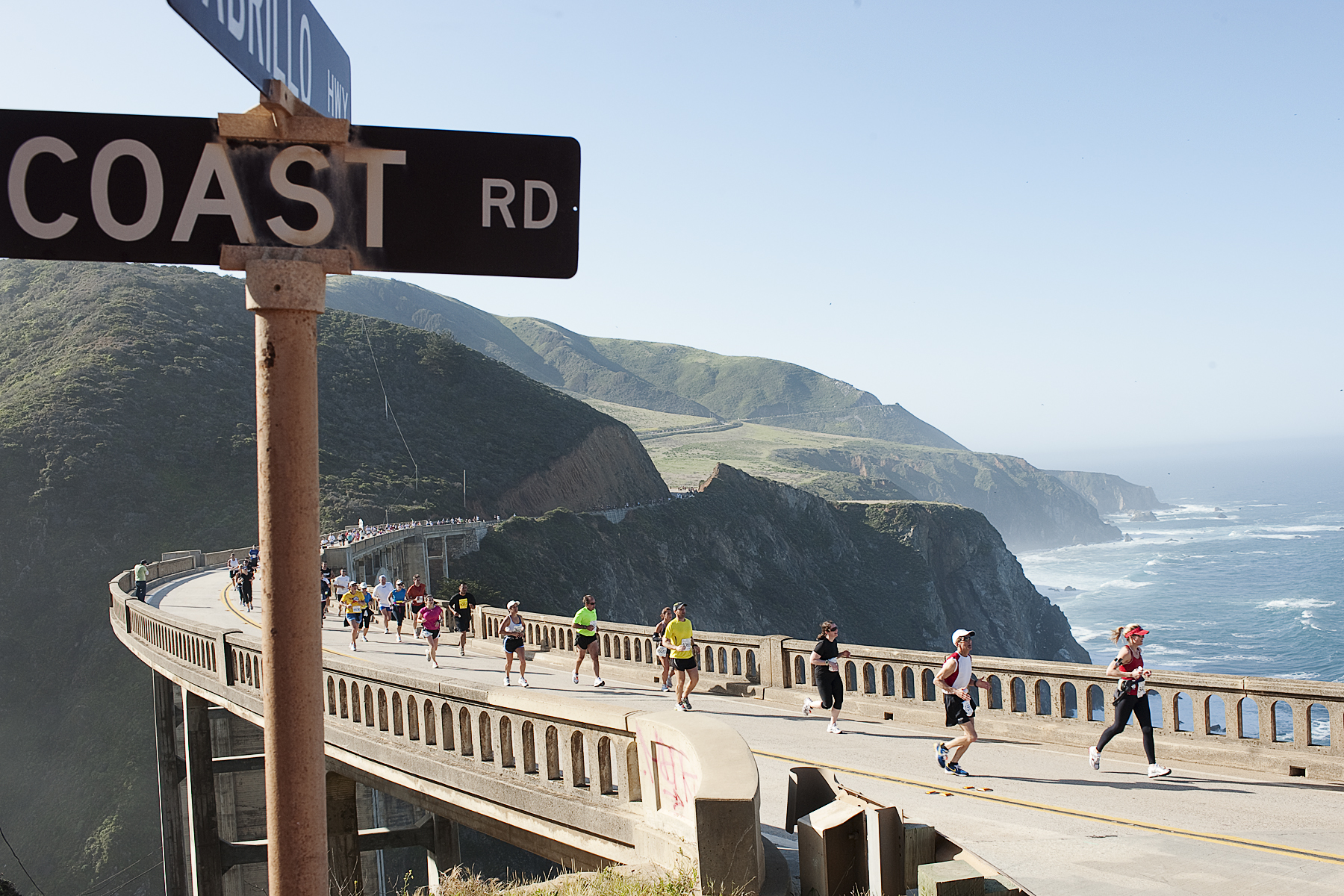 |
The Big Sur International Marathon route is situated between mountains and the sea. *Photo: World’s Marathons*
This trend is evident in how global running events are organized. The Big Sur International Marathon in the US takes runners away from city streets to run along coastal Highway 1, bordered by the Pacific Ocean on one side and mountains and redwood forests on the other. Leaving winding urban roads, participants experience running through expansive landscapes, where each kilometer reveals a different view.
Following pioneering models like Big Sur, the trend of making nature central to race routes continues to expand. In Chile, the Patagonian International Marathon has been held since 2012 in Torres del Paine, a southern region known for its glacial terrain, turquoise ice lakes, and distinctive granite massifs. The route primarily consists of natural gravel paths, winding through grasslands, ice lakes, and long inclines, with minimal urban infrastructure.
This rugged and pristine environment itself became an attraction, as more runners sought out exploratory routes. From its first season, the event attracted 356 runners, increasing to 657 in its second year. Over the years, its scale continued to grow, with over 7,000 runners from more than 78 countries participating since its inception. The cold air, strong winds, and open spaces create a distinctly different experience compared to urban races.
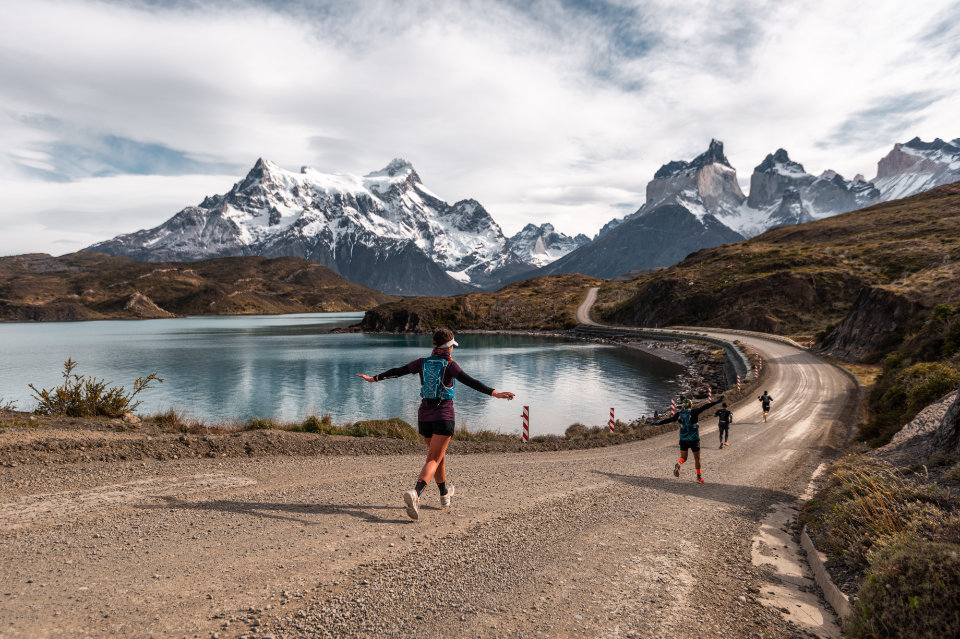 |
The Patagonian International Marathon route features glacial terrain, turquoise ice lakes, and distinctive granite massifs. *Photo: Paolo Avila*
In the last decade, nature-based running events have evolved into comprehensive festivals. The Big Sur International Marathon, initially a race focused on competition, has developed into a multi-day series of activities, allowing runners to combine their run with relaxation and exploration of the Monterey or Big Sur coastal areas.
According to a report in *MarathonGuide* magazine, this model helps the event maintain an annual scale of approximately 10,000 participants while generating significant economic impact. The event contributes around 26,9 million USD annually to the local community, including over 15,3 million USD in direct spending, filling nearly 18,500 hotel room nights, and welcoming over 20,300 visitors.
In Australia, the Great Ocean Road Running Festival features a coastal route overlooking the ocean, combining running with relaxation and community activities. The event's scale increased from nearly 8,000 athletes in 2022 to over 11,000 in 2025. Across Asia, many races are also designed around scenic landscapes, such as the Mt. Fuji International Marathon with views of Mount Fuji, the Sun Moon Lake Marathon with a route encircling the lake, and the Laguna Phuket Marathon set in a tropical coastal environment.
In Vietnam, this approach is becoming more apparent. VnExpress Marathon Nha Trang is an example, utilizing the coastal routes of Tran Phu and Pham Van Dong, allowing runners to compete while enjoying bay views. Longer distances also take runners up Luong Son Pass, offering majestic scenery. The appeal of this model is evident in the participation increase from about 9,000 runners in 2024 to 13,000 runners in 2025.
As the number of running events grows, the advantage no longer lies in scale or course difficulty but in the ability to create unique experiences. Destinations with distinctive and pristine ecosystems are becoming new choices for organizers. VnExpress Marathon Green Paradise Can Gio exemplifies this, utilizing mangrove forest and coastal areas about 50 km from the center of Ho Chi Minh City.
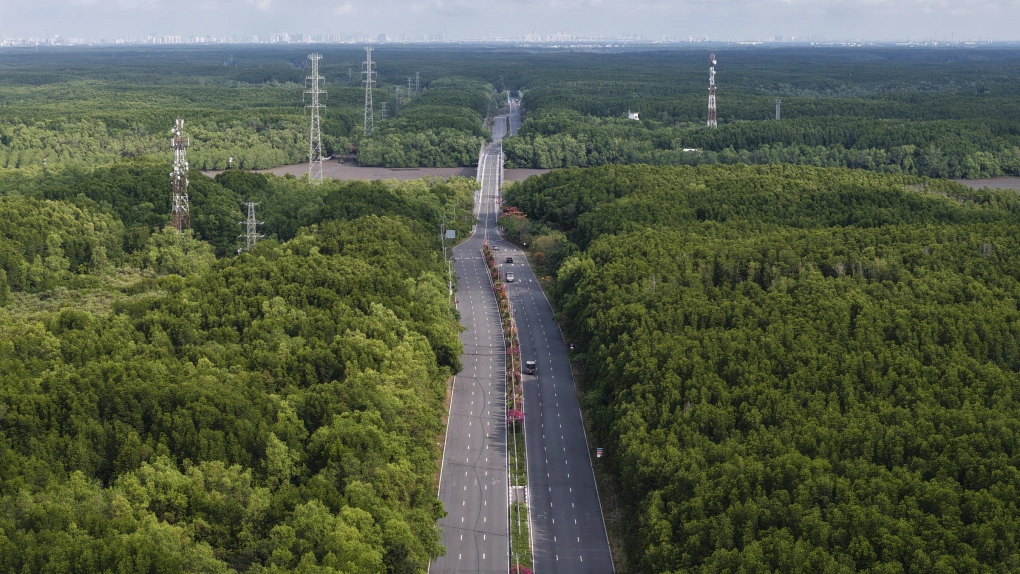 |
The Rung Sac route winds through the Can Gio mangrove forest. *Photo: Quynh Tran*
The Can Gio route passes through a UNESCO-recognized world biosphere reserve, characterized by high tree density, fresh air, and minimal traffic impact. The event, scheduled for 1/5, offers runners the experience of running through mangrove forests, interspersed with coastal sections and open spaces, a rare sight amid rapid urbanization.
Its proximity to the city center also allows participants to combine the race with short-day excursions. During the event days, Can Gio plans to host various festival activities to enhance the runners' experience. Simultaneously, families can combine running with exploring local cuisine and visiting attractions like Monkey Island, Dan Xay eco-tourism area, or Vam Sat.
The emergence of events like VnExpress Marathon Green Paradise Can Gio indicates that the trend of returning to nature is no longer exclusive to international events but is gradually being localized. As runners increasingly seek experiences tied to landscapes and emotions, routes traversing unique ecosystems will continue to shape how running events are organized in the future.
Hai Long