After failing in both of FIFA's internal appeal levels, the Disciplinary and Appeals Committees, the Court of Arbitration for Sport (CAS) is the Football Association of Malaysia's (FAM) last chance to reverse the most severe sanctions in its history. Essentially, two possibilities exist: FAM wins or FAM loses the case. The latter is considered more likely.
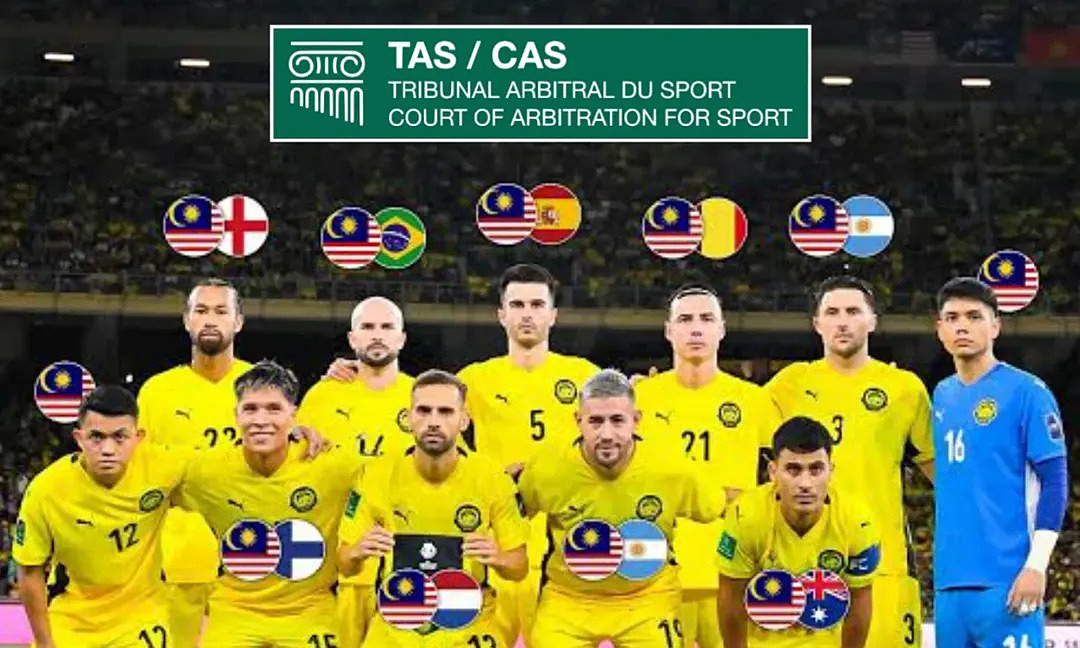 |
Malaysia's starting lineup in their 4-0 victory over Vietnam in the second round of Asian Cup 2027 qualifiers, Group F, at Bukit Jalil stadium, Malaysia on 10/6. Photo: ASEAN Football
A legal victory for FAM at CAS would be a rare reversal, especially when challenging an organization with FIFA's resources and legal power. Such a win would strengthen FAM's position and provide resources to continue its policy of naturalizing players with partial Malaysian heritage, should it choose to do so.
Typically, if CAS sides with a claimant like FAM, the ruling could take one of the following forms: a complete annulment of FIFA's sanctions, a reduction of the sanctions, or a referral of the case back to FIFA for further review.
The first possibility is the most ideal for Malaysia. In this scenario, they would not face fines, and the players would have their bans lifted, allowing them to return to play immediately. There would also be no additional sanctions for FAM from related parties, such as the Asian Football Confederation (AFC).
CAS could also partially acknowledge FAM's arguments and determine that FIFA's initial sanctions were too severe. In this case, the Court might reduce the players' ban period, for example, to six months. This group of players has been prohibited from playing since 26/9. If the Court issues its ruling on 26/3/2026, the players would be eligible to play immediately.
However, in this situation, Malaysia would still be deemed to have used ineligible players. According to AFC regulations, a team violating this rule would forfeit the match where the ineligible player participated 0-3, or even have all results in the Asian Cup 2027 qualifiers nullified.
The remaining possibility is procedural: CAS refers the case back to FIFA. FIFA has already provided two detailed documents spanning dozens of pages, as previously requested by FAM. Therefore, it is unlikely that CAS would return the case to FIFA. But if that were to happen, FAM would still benefit, as it would open an opportunity to reverse the situation.
If Malaysia wins its case at CAS, FIFA would be compelled to comply with the Court's ruling. Such a rare defeat could prompt FIFA to review its own player eligibility verification process or issue stricter guidelines for member associations to prevent similar legal disputes in the future.
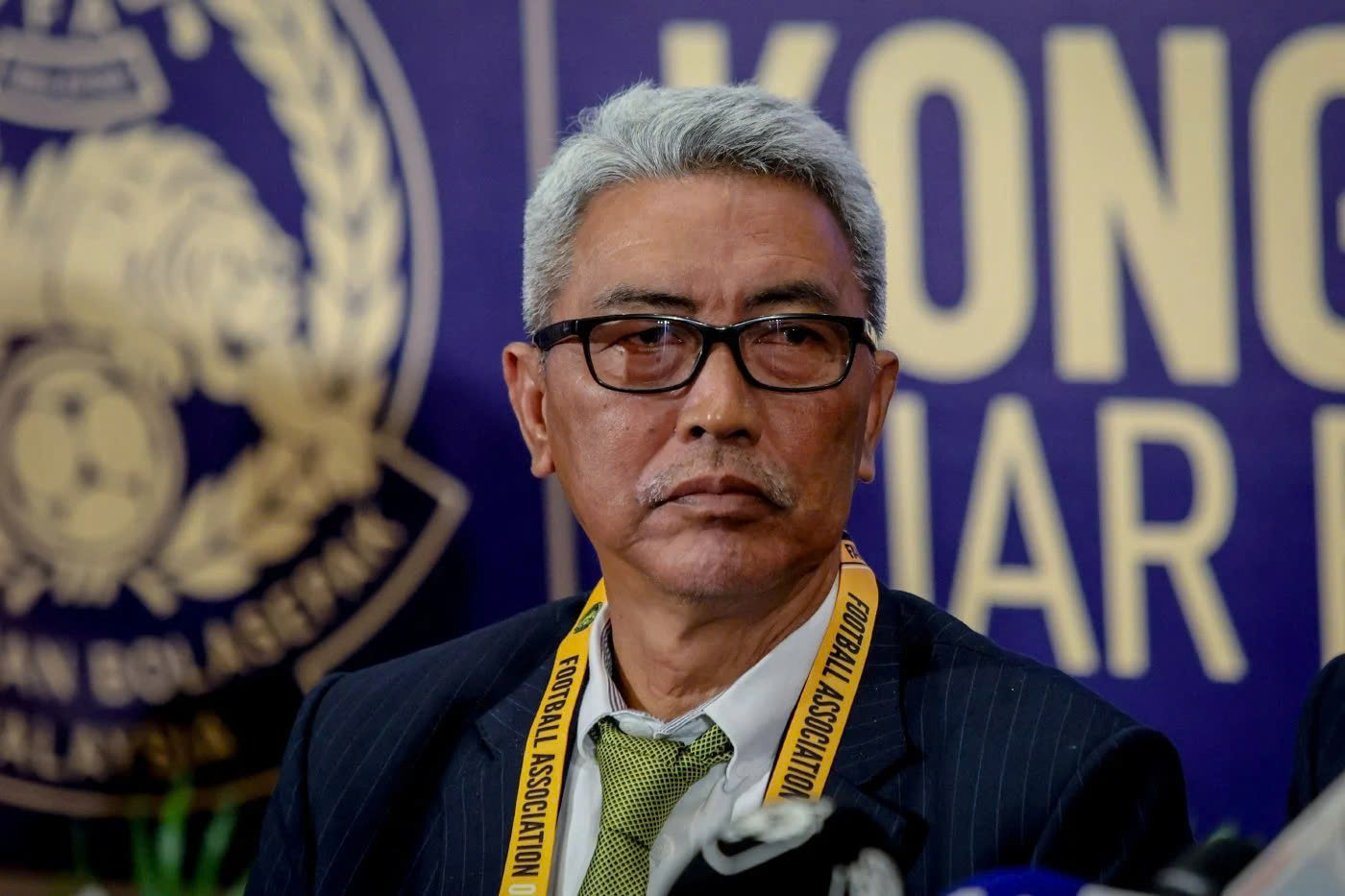 |
Acting President of FAM, Yusuf Mahadi. Photo: NSTP
However, FAM's chances of losing the case at CAS are higher, based on statistics and legal experts' assessments.
Between 2020 and 2024, only 13% of cases against FIFA handled by CAS were ruled in favor of the claimant, and few were as complex as Malaysia's. Malaysian lawyer Nik Erman also believes FAM's chances of winning against FIFA are low, with legal costs at CAS amounting to hundreds of thousands of ringgit (billions of dong).
If FAM loses, FIFA's sanctions would remain in place. Seven players, including: Joao Figueiredo, Rodrigo Holgado, Gabriel Palmero, Imanol Machuca, Facundo Garces, Jon Irazabal, and Hector Hevel, would continue to serve their bans until 26/9/2026.
The AFC would also likely receive documentation from FIFA to sanction FAM. Malaysia could forfeit their matches against Vietnam on 10/6 and against Nepal on 25/3, for using ineligible players. In that event, coach Kim Sang-sik's team would have a strong chance of qualifying for the Asian Cup 2027 finals for the third consecutive time.
Precedents indicate that the issue might not end with a CAS ruling. After being sanctioned by FIFA for using ineligible naturalized players, Timor Leste was disqualified by the AFC from the Asian Cup 2019 qualifiers and banned from participating in the Asian Cup 2023 qualifiers.
More recently, Equatorial Guinea forfeited two World Cup 2026 qualifying matches 0-3, the violating player received a six-month ban, and their national football association was fined 150,000 Swiss francs (nearly 5 billion dong). However, the African Football Confederation has not yet issued any additional sanctions for Equatorial Guinea.
Generally, a claimant's chances of winning when suing FIFA at CAS are between 10% and 20%. However, FIFA has never had to withdraw disciplinary sanctions against member associations whose national teams used players violating eligibility rules, as in Malaysia's case.
Vietnam would benefit most if Malaysia is disqualified or forfeits two matches in the Asian Cup 2027 qualifiers. In that scenario, coach Kim Sang-sik's team would certainly secure a spot in the finals for the third consecutive time. If the AFC only rules Malaysia to forfeit one match, Vietnam's chances of progressing remain very high, but would depend on the result of the final qualifying round match against Malaysia itself on 31/3/2026.
By Hoang An