 |
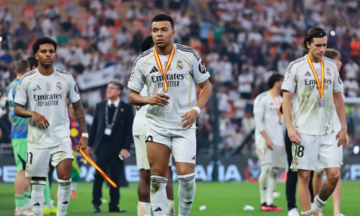
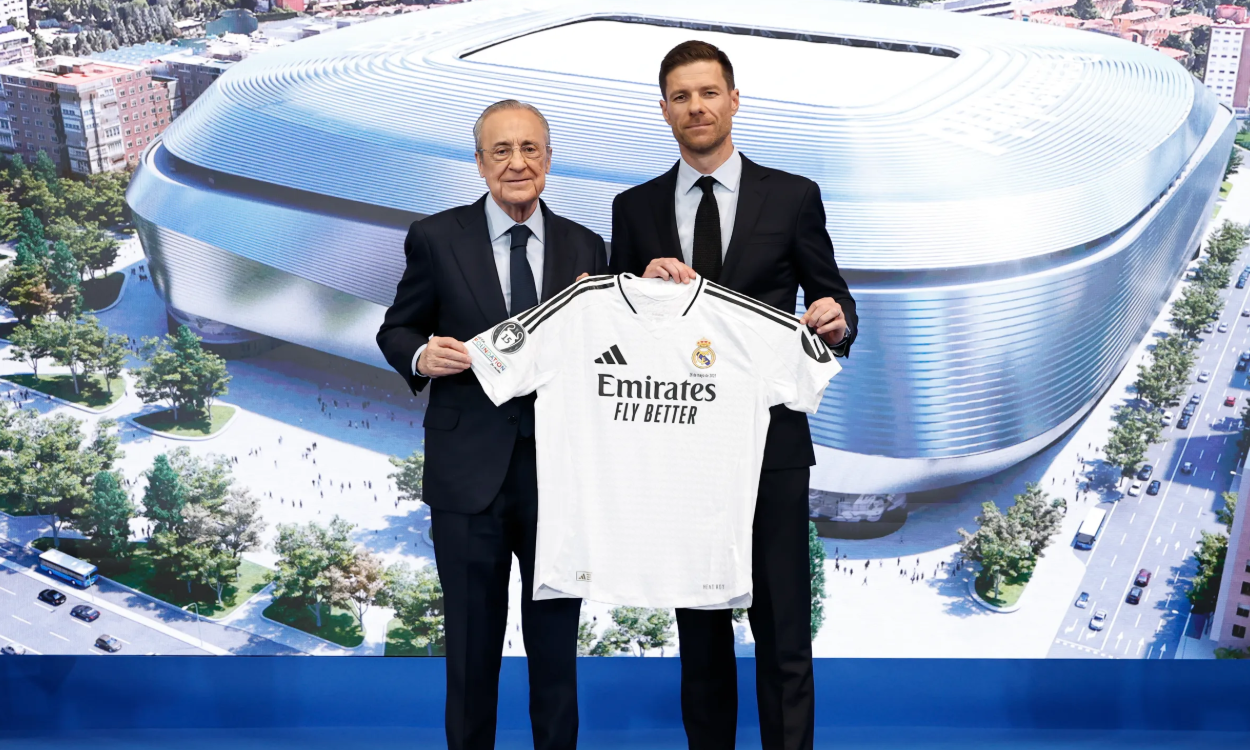
On 12/1, Real announced a mutual agreement to part ways with Alonso, concluding a journey that began in June at the FIFA Club World Cup and ended with a defeat to Barca in the Spanish Super Cup final.
The project, once filled with high expectations, quickly fell into crisis, culminating in Jeddah, where the confidence of the board and players in the Spanish coach had almost completely eroded.
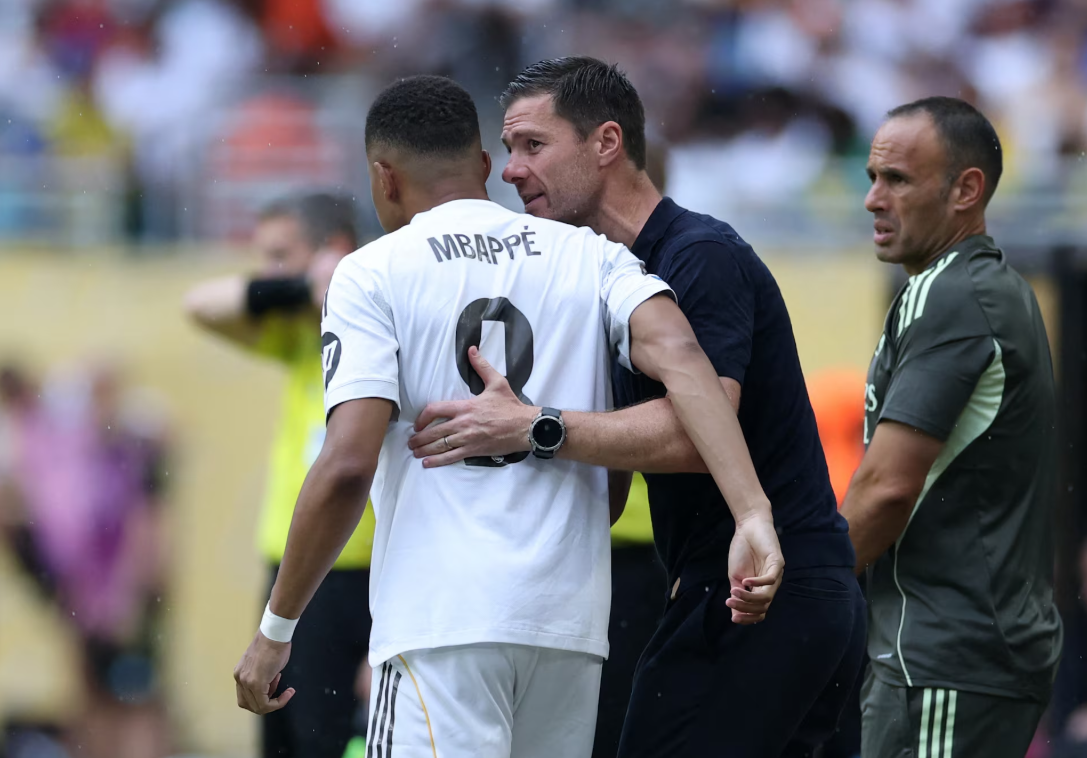 |
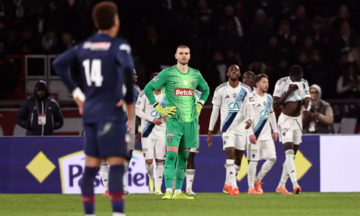
According to Spanish newspaper Marca, five main reasons led to this decision. The first was poor results. Real did not choose an interim coach; instead, they appointed Alonso with the ambition of winning the FIFA Club World Cup 2025, a tournament offering a 125 million USD prize for the champion. The 44-year-old coach failed to achieve this goal, as Real quickly showed instability with a 0-4 defeat to PSG in the semi-finals.
Despite the debut tournament failure, Alonso's tactical imprint was somewhat evident, particularly in his high-pressing ability. However, this playing style gradually disappeared after the 2-5 loss to Atletico in the 7th round of La Liga at the end of September – the first defeat of the season and a turning point that sent everything off track. Ultimately, this decline became irreversible.
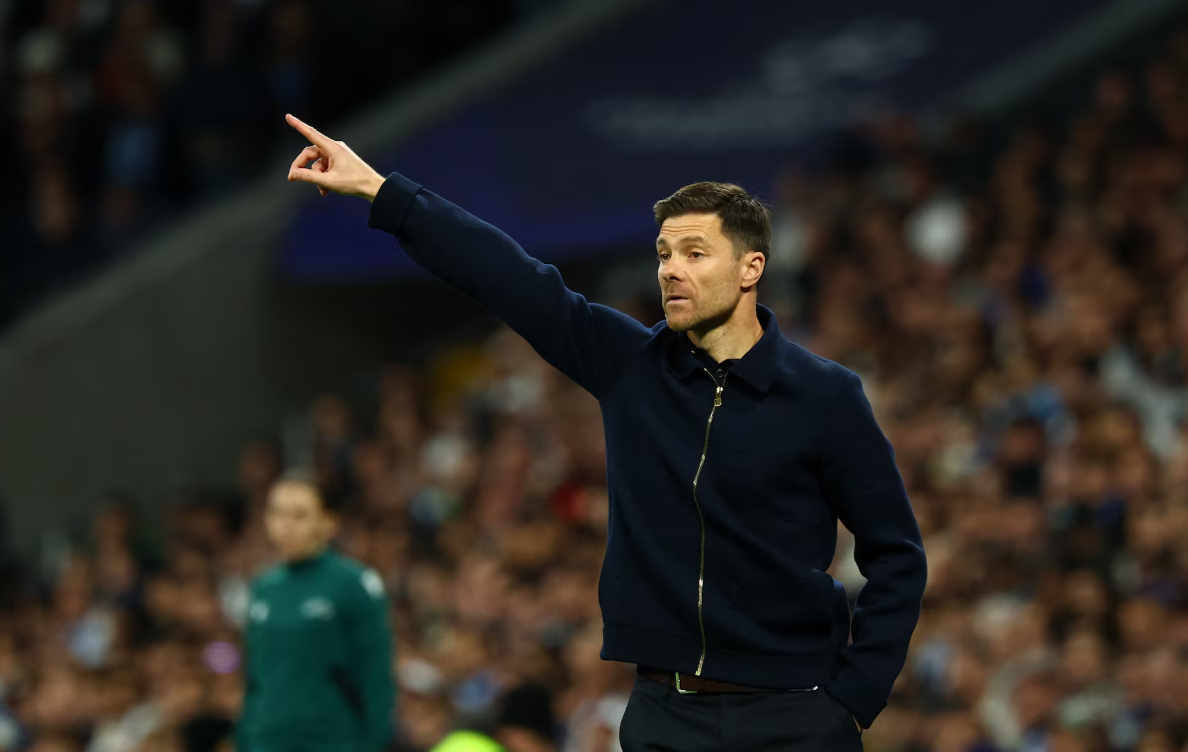 |
Lack of identity. The high-energy football Alonso promised ultimately did not become a clear identity during his tenure at the Bernabeu. Real frequently showed a lack of physical fitness and intensity, raising questions about physical preparation.
Issues that existed under Carlo Ancelotti, such as stalemates against low defensive blocks, continued to recur. Pressing – an element expected to be his hallmark – was not consistently maintained, only evident in a few rare moments, like the match against Barca at the Bernabeu in La Liga. But that was an exception, rather than the rule, as Real increasingly resembled the final version of Ancelotti's era in the 2024–2025 season.
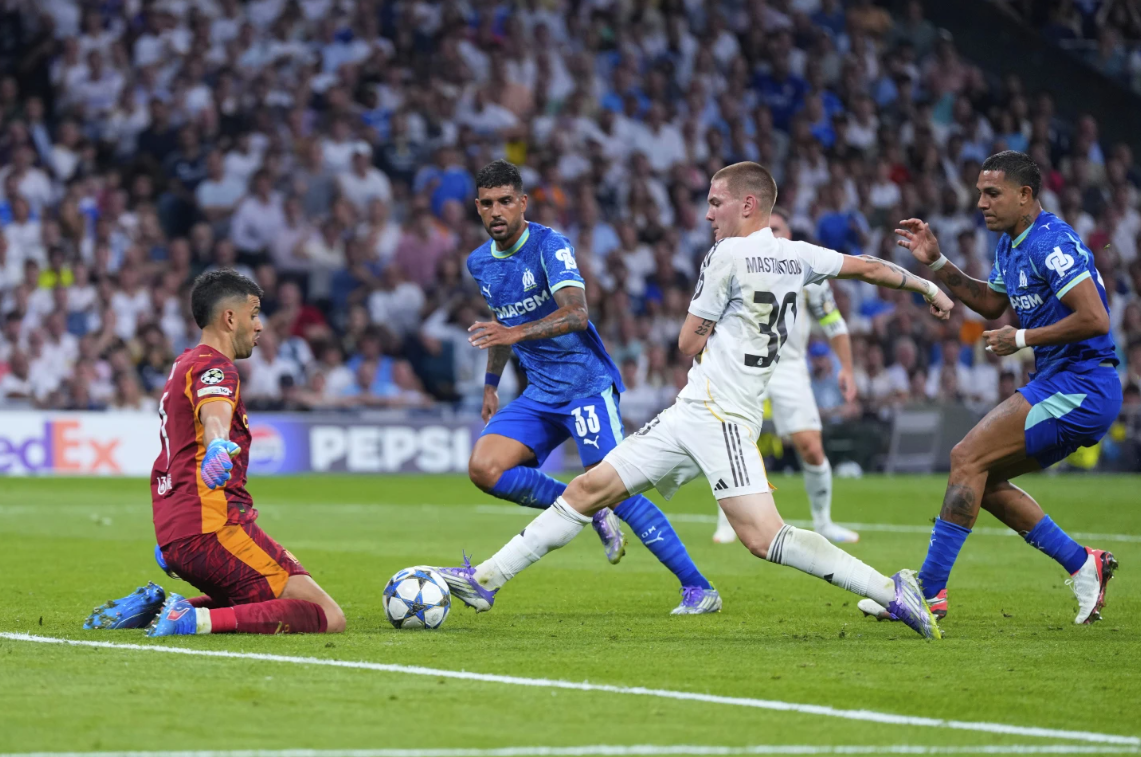 |
Lack of a quality central midfielder. Not all responsibility lay with the coach. Alonso had requested a deep-lying playmaker, but that wish was not fulfilled. The club spent 72 million USD on 17-year-old attacking midfielder Franco Mastantuono – a sum equivalent to the fee for Martin Zubimendi joining Arsenal.
Luka Modric's departure, a club decision contrary to Alonso's wishes and the Croatian player himself, left Real's midfield lacking a true orchestrator. Aurelien Tchouameni, Eduardo Camavinga, and Federico Valverde possess many qualities, but none excel at controlling tempo or organizing play. Jude Bellingham has that potential, but being consistently deployed in multiple positions diluted his role, leaving him without clear direction.
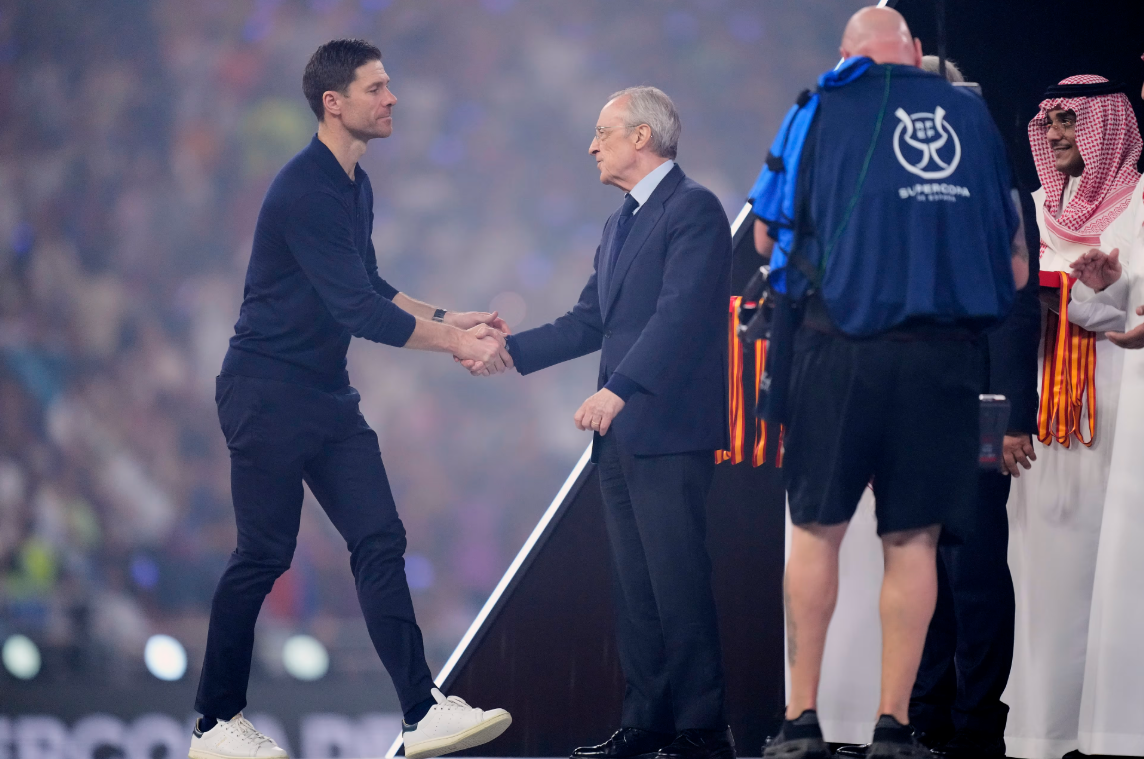 |
Disappointing performance in the Spanish Super Cup. The two matches in the Saudi Arabian tournament exposed significant limitations in ball progression. Against Atletico in the semi-finals, goalkeeper Thibaut Courtois made nearly 40 long goal kicks to avoid pressing, seeking second-ball contests with Bellingham or forward Gonzalo Garcia.
Real lacked solutions, initiative, and daring in their build-up play. In the final against Barca, long balls remained the primary attacking option. For Real, it is not just about "winning or losing" but also the style of play. The image from the two matches in Jeddah was something the board found difficult to accept, especially as Alonso arrived in Saudi Arabia already under immense pressure.
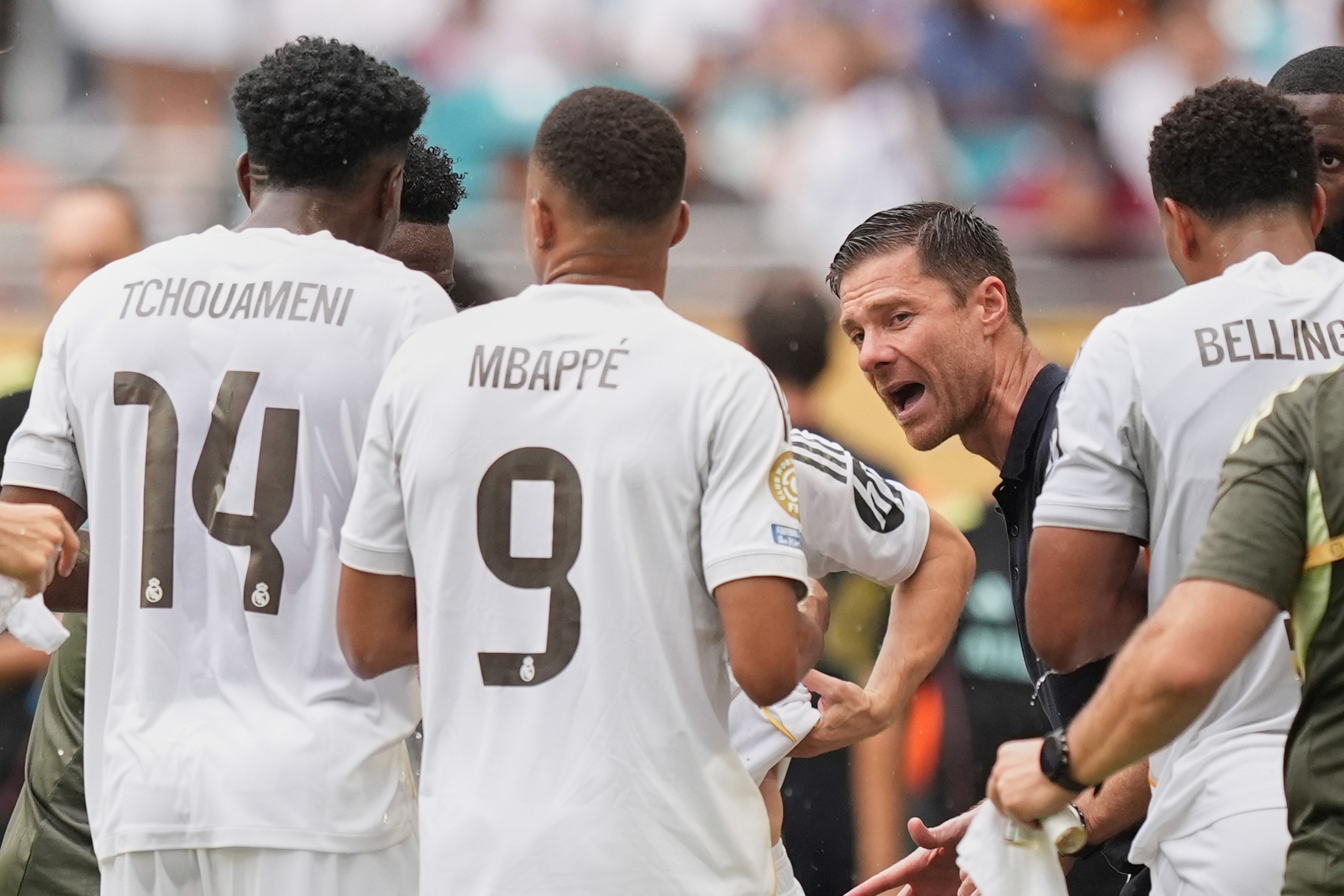 |
Dressing room rift and conflict with Vinicius. Criticisms targeting Alonso had actually emerged quite early. He was a coach who intervened deeply in tactics, focusing on video, tactical boards, and every small detail – something not all Real players adapted to, especially after a more flexible period working with Ancelotti.
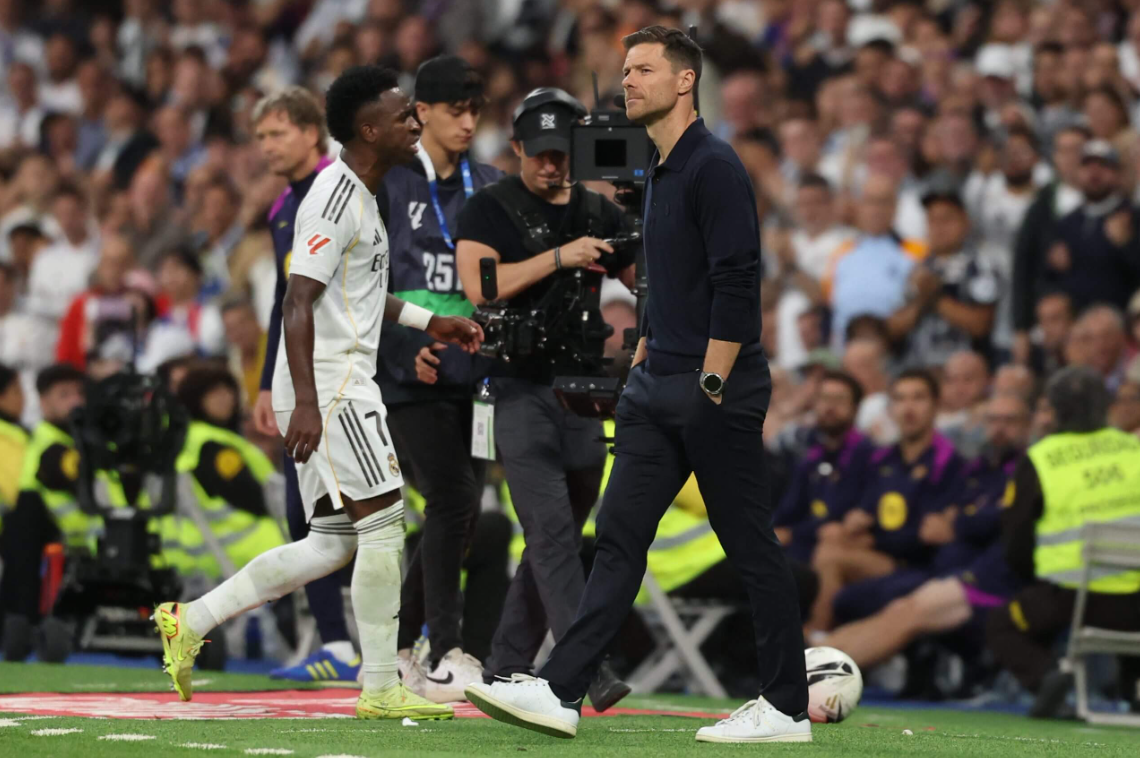 |
One of the flashpoints was Vinicius being benched in some early-season matches. The conflict erupted in El Clasico, when the Brazilian forward publicly reacted upon being substituted. The club did not impose disciplinary action, leaving Alonso to resolve the issue himself, which meant the conflict was not fully addressed. The relationship between Alonso and Vinicius – which was never truly smooth – became even more strained, but the Brazilian forward was not the only dissenting voice.
The division in the dressing room became a key factor leading to the dismissal. Additionally, Alonso was criticized for not consistently giving opportunities to young players like Guler or Mastantuono when results started to worsen. All these factors culminated in the decision made earlier this week, bringing an end to a brief but turbulent tenure at the Bernabeu.
Hong Duy (according to Marca)
Photos: Reuters, AP, Real Madrid FC