Does drinking a cup of unsweetened black coffee every day truly help lower blood fat, stabilize blood sugar, and benefit the liver as rumored? (Toan, 38, TP HCM)
Fish, avocado, Greek yogurt, chia seeds, and oatmeal are rich in fiber, protein, and healthy fats, helping slow sugar absorption and limit rapid blood sugar spikes after meals.
While red meat doesn't cause a rapid spike in blood sugar like sugar or refined carbohydrates, excessive consumption can increase saturated fat intake, impacting insulin sensitivity.
Blood sugar can still rise due to high carbohydrate intake, lack of physical activity, stress, insufficient sleep, or the body's reduced ability to use insulin.
Prioritizing meals rich in protein, fiber, and healthy fats, such as fish, chicken, artichokes, and avocados, can contribute to maintaining healthy blood sugar levels.
Avoiding prolonged sitting, taking the stairs, or cycling to work helps burn calories, increases glucose utilization for energy, and supports blood sugar control.
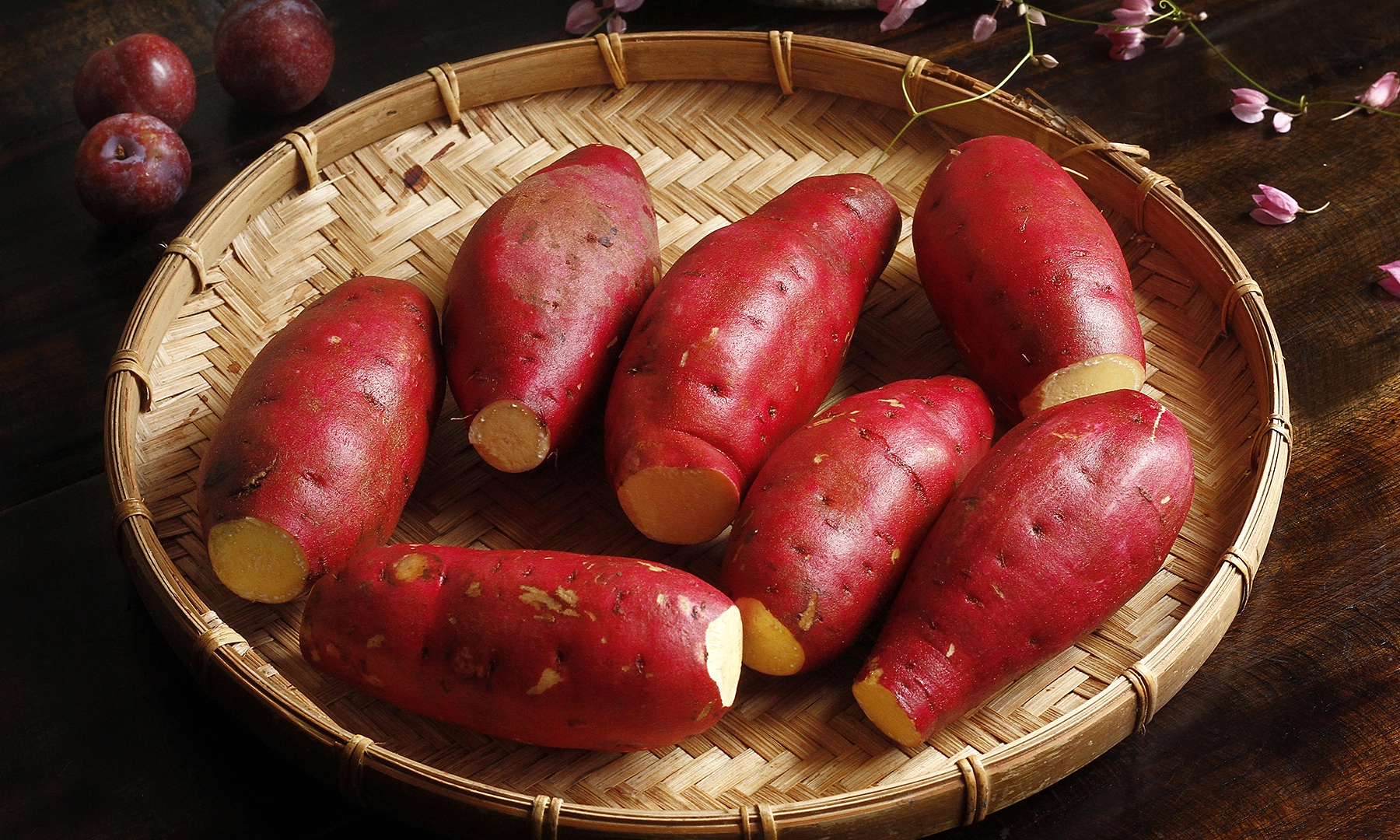
Despite being rich in carbohydrates, sweet potatoes can be a suitable choice for people with diabetes if consumed correctly, thanks to their high fiber and resistant starch content.
Consuming too much sugar can lead to acne and weight gain, while also increasing the risk of chronic conditions such as heart disease and type 2 diabetes.
A 64-year-old woman was hospitalized with a severe blood sugar spike and two acute complications after consuming 1,5-2 liters of fruit juice daily for "body detoxification".
Oranges, peaches, raspberries, apples, and pears are rich in fiber and vitamin C, helping to reduce the risk of blood sugar spikes and supporting weight management.