Since contracting severe respiratory syncytial virus (RSV) pneumonia in late 2024, Ms. Thuy has felt her body weakening, becoming tired and short of breath after walking just a few steps.
My 10-month-old child previously had pneumonia caused by respiratory syncytial virus (RSV) and was hospitalized, but still experiences wheezing. What is the cause? (Minh Sang, 33, Hanoi)
Unpredictable weather has caused my 3-year-old daughter to have a fever and severe cough. Can I give her goosegrass water to reduce fever and treat cough at home? (Kim Manh, 32, Tay Ninh)
My child is 11 months old, born full-term with a healthy weight, but often gets minor colds. Is there a risk of respiratory syncytial virus (RSV) infection? (Ha Van, 36, Tay Ninh)
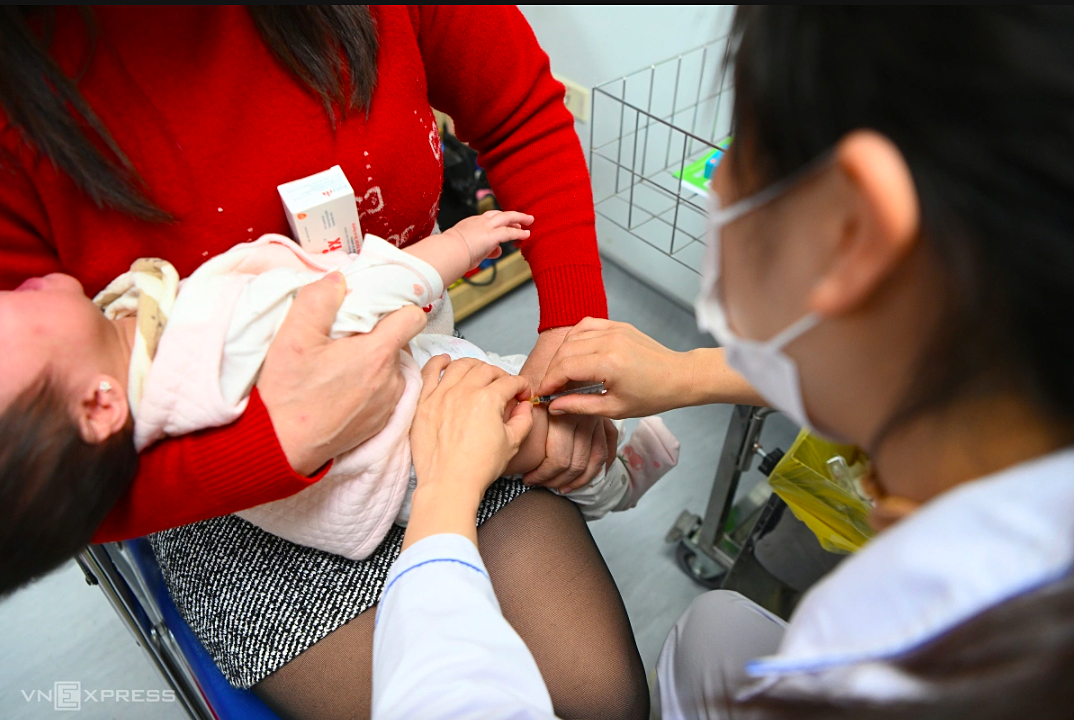
The Nirsevimab monoclonal antibody, designed to prevent respiratory syncytial virus (RSV) in children, is now more widely available at the VNVC vaccination system, with expanded administration beginning on 23/12.
Pregnant women infected with respiratory syncytial virus (RSV) can experience severe illness, similar to influenza infection, increasing the risk of premature birth and fetal infection.
Respiratory syncytial virus (RSV) intensifies the burden on the heart and causes widespread airway inflammation, leading to complications such as heart failure and respiratory failure in individuals with chronic conditions.
Witnessing her friend's child hospitalized for an extended period due to respiratory syncytial virus (RSV) infection, Tuyet (34, TP HCM) decided to have her 3-month-old daughter receive a monoclonal antibody injection to prevent the illness.