Answer:
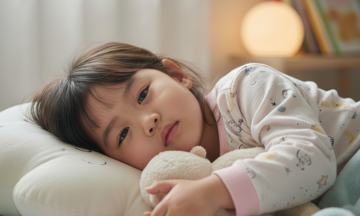
Children who have recovered from respiratory syncytial virus (RSV) infection often experience persistent wheezing because the bronchial lining remains irritated for 3-6 weeks after the illness. This irritation commonly leads to ongoing coughing, wheezing, and rapid breathing.
RSV spreads through the respiratory tract and indirectly via contaminated objects. Children under two years old are particularly susceptible to infection and severe complications due to their immature immune systems, narrow airways, and underdeveloped lungs. During infection, the airways swell and produce excessive mucus, causing blockages that lead to difficulty breathing and respiratory failure. In severe cases, children may require oxygen therapy or mechanical ventilation.
Even after recovery, children who have had RSV face a high risk of reinfection: 50% after two months and 67% after eight months. Many children experience repeat infections two to three times within two years. Therefore, close monitoring is essential, and children should be taken for medical examination if they show unusual signs such as: rapid breathing, chest indrawing, high fever, cyanosis, or refusal to feed.
Currently, RSV treatment is primarily supportive. The disease is highly contagious, and infected children often rapidly become severely ill. Notably, RSV cases typically increase during the cold season because cold, humid, and less sunny weather allows the virus to survive longer.
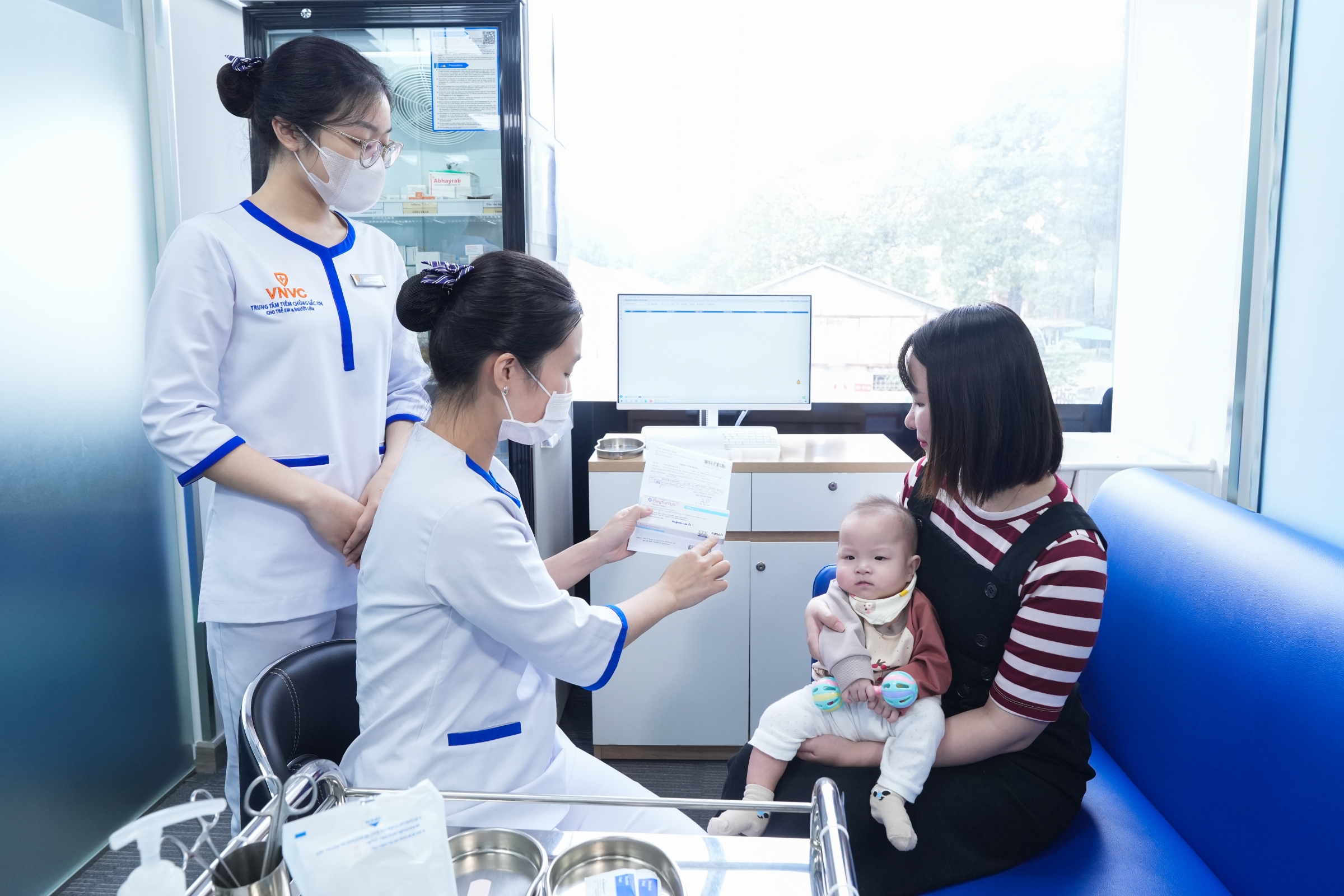 |
Young children are brought by parents to receive RSV monoclonal antibody injections for disease prevention at VNVC Vaccination System. Photo: Tuan Anh |
To prevent RSV in your child, you should ensure they stay warm, maintain a clean living environment, and avoid contact with suspected infected individuals. Administering RSV monoclonal antibodies to children is also an effective way to prevent reinfection.
The RSV monoclonal antibody, Niservimab, brought to Vietnam by the French group Sanofi, provides 5-6 months of protection and reduces the risk of hospitalization due to RSV-induced pneumonia and bronchiolitis by over 82% in children. This antibody is administered to children from one day old up to 24 months old, including premature infants and those with chronic conditions.
Regarding the regimen: children from one day old to 12 months old receive one dose, with the dosage based on weight. Children under 5 kg receive 0,5 ml, while those 5 kg and above receive 1 ml. Children over 12-24 months old at high risk of RSV follow a two-dose regimen, with each dose being 1 ml administered at two different sites on the same day.
Doctor Hoa Tuan Ngoc
Medical Manager, VNVC Vaccination System
Readers can submit vaccine-related questions for a doctor to answer here.