Naki, a local travel expert in Tokyo, highlights common mistakes and offers advice to help international visitors optimize costs when traveling to the Land of the Rising Sun.
One: Dining at expensive restaurants in tourist areas
At Tsukiji Market, establishments catering specifically to tourists might charge up to 4,400 JPY for one bowl of seafood. In contrast, local eateries in the same area, such as Matako Yaunten, offer a similar dish for just 800 JPY (140,000 VND). In Asakusa, prices at tourist-oriented restaurants are often double the standard rate. Naki suggests using the Tabelog website to check estimated prices and star ratings for dining spots. Establishments rated three stars or higher generally ensure quality service.
Two: Only shopping at convenience stores
While convenient, prices at convenience stores are typically about 30% higher than supermarkets. A comparison of items like tea, cup noodles, potato chips, coffee, and beer shows price differences that can reach 221 JPY (38,000 VND) for the same product. Supermarket chains like Aeon, Seiyu, or My Basket often have extended hours and offer a wider variety of food items, making them more suitable for souvenir shopping.
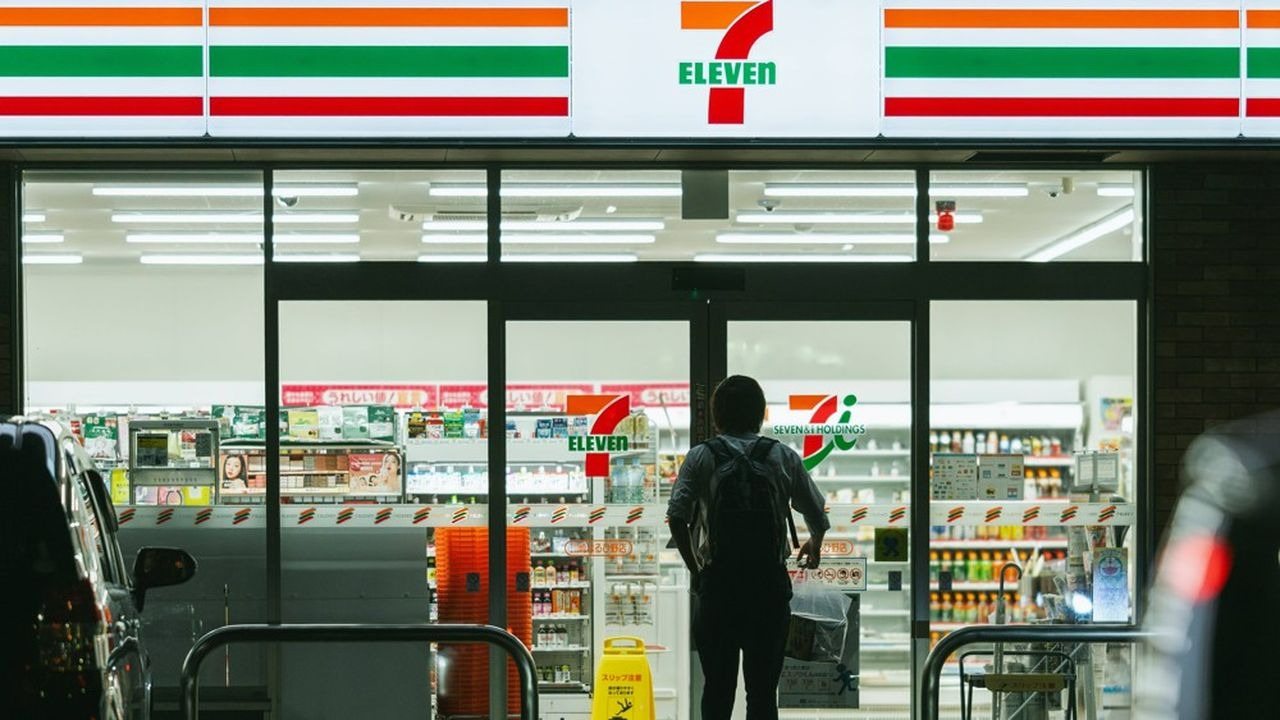 |
A convenience store in Tokyo. *Pour Japan*.
Three: Buying a SIM card at the airport
SIM cards at airports are often expensive, so Naki advises purchasing one in advance. He specifically recommends eSIMs, which can be bought online and activated immediately upon arrival in Japan, saving travelers waiting time.
4: Not utilizing tax-free shopping
Many visitors fail to take advantage of the tax-free system, resulting in a loss of 10% consumption tax. Travelers staying for less than six months who spend 5,000 JPY or more at the same store on the same day are eligible for tax exemption.
Japan offers two forms of tax exemption: immediate in-store deduction or a refund at the airport. Recommended stores include Bic Camera and Yodobashi Camera for electronics and souvenirs; Don Quijote for food items; and Matsumoto Kiyoshi for daily necessities. The process is simple, requiring only a passport presentation, but purchased tax-free items must not be opened in Japan.
5: High-priced dinners
At the same restaurant, dinner prices are typically higher than lunch prices. For example, at Yakiniku King, an all-you-can-eat lunch costs 2,000 JPY (340,000 VND), but dinner exceeds 3,000 JPY (500,000 VND). At a high-end sushi restaurant, lunch might be 3,000 JPY, while dinner could be 8,000 JPY (1.3 million VND). Naki suggests checking lunch hours to savor authentic Japanese flavors at better prices, combining sightseeing in the morning or evening with a relaxing lunch, as locals often do.
6: Staying in overly prime locations
Hotels in central Shinjuku or Ginza are convenient but expensive. Naki notes that a weekend hotel stay in Shinjuku for two people costs about 26,000 JPY (4.4 million VND), whereas a similar stay in the Kamata area is only 16,000 JPY (2.7 million VND). Tokyo's train system is efficient, allowing travelers from Kamata to reach bustling Shinjuku in just 23 minutes. Naki recommends choosing a slightly more distant location, limiting travel time to the city center to around 20 minutes.
 |
Shinjuku at night. *Real Estate Japan*.
7: Eating breakfast at the hotel
Hotel breakfast packages often add an extra 2,000 to 3,000 JPY to the cost. Naki suggests local cafes as a cheaper and more delicious alternative, such as the morning set at Komeda Coffee, where customers only need to purchase a drink to receive complimentary toast and an egg, totaling around 600 JPY (100,000 VND). Even a cream soda costs only 720 JPY (120,000 VND). This approach offers travelers a more authentic local experience.
8: Exchanging money at the airport
Airport exchange rates often come with high fees. Travelers can exchange currency at locations within the city or use 7-Eleven ATMs, which operate 24/7. Visitors should plan to have about 5,000 JPY (850,000 VND) in cash per day for expenses.
9: Not purchasing attraction tickets in advance
Same-day tickets are often more expensive and risk selling out. For instance, a same-day ticket for Tokyo Sky Tree costs 3,500 JPY (590,000 VND), but a pre-booked ticket is only 3,100 JPY (520,000 VND).
10: Traveling during peak season
Peak season drives up prices for everything from hotels and flights to attraction fees. Times to avoid for cost savings include cherry blossom season (late March to April), Golden Week (late April to early May), mid-August, Christmas, and New Year. Naki suggests June, September, and November for favorable weather, fewer crowds, lower prices, better photo opportunities, and a more local experience.
Hoai Anh (According to House Japan)