


Several Asian countries are currently on high alert following the detection of Nipah virus (NiV) cases in India. India's National Centre for Disease Control (NCDC) confirmed this outbreak, stating the situation is "not serious" and remains confined to West Bengal, refuting claims of widespread transmission. In response, Thailand, Nepal, and China (Taiwan) are intensifying health surveillance and passenger screening at airports. The US Centers for Disease Control and Prevention (CDC), the National Travel Health Network and Centre (UK), the World Health Organization (WHO), and the Vietnam Ministry of Health have issued recommendations for travelers going to and returning from NiV-affected areas.
**Before traveling**
Travelers should check and adhere to recommendations from the host country's health authorities regarding safety, security, and travel restrictions at their destination. Each country has different regulations, including immigration and health restrictions. Refer to information to learn about any outbreaks, prevention recommendations, vaccinations at the destination, and a list of airports implementing quarantine.
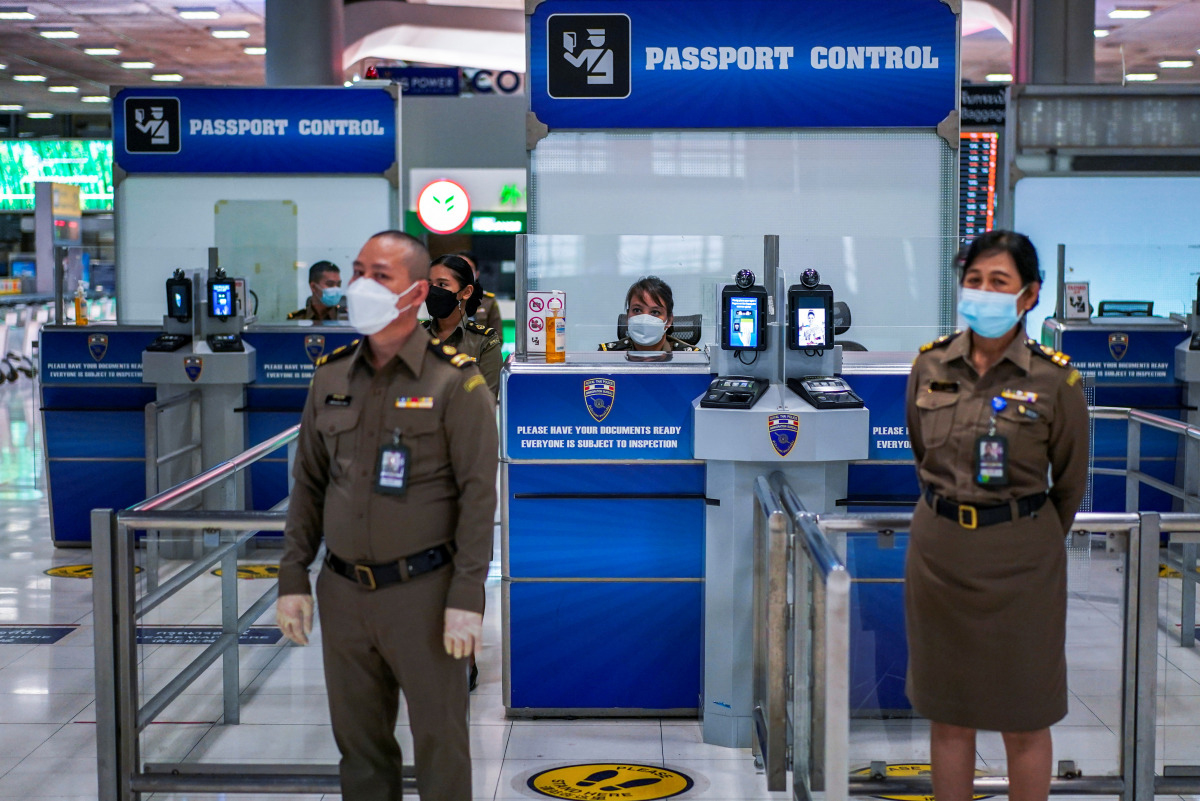 |
Immigration area at an airport in Bangkok, Thailand, 21/1. *Photo: Reuters*
**While abroad**
According to the US CDC, the risk of NiV infection for travelers to countries where the virus has been detected is currently low if people follow these measures:
Maintain strict personal hygiene: Frequently wash hands with soap and clean water, and proactively wear a mask.
Avoid animal contact: Stay away from areas where bats reside or roost. Minimize contact with bats and pigs, especially in their roosting areas. Avoid touching anything potentially contaminated by bats. Wear gloves and protective gear when handling sick animals or any part of an animal.
Practice food safety: Do not consume raw date palm sap, as NiV can survive in it for many days. Raw or partially fermented date palm sap needs to be boiled before consumption; if possible, avoid or limit its use. Wash and peel fruits before eating; do not eat fruits picked from the ground or those showing signs of being partially eaten by animals.
Limit human contact: Without medical protective gear, avoid close contact with individuals infected with NiV, especially with their blood or body fluids. Wash hands frequently after contact with sick individuals.
Seek medical advice if symptoms appear while abroad.
**Upon return**
If travelers and their family members develop symptoms after returning from a trip, they should seek immediate medical attention. It is crucial to inform healthcare personnel about recent travel history.
The Nipah virus incubation period can range from 4 to 21 days. However, in rare cases during previous outbreaks, the disease onset period could be longer. Currently, there is no licensed vaccine to prevent Nipah virus. Patients typically experience flu-like symptoms such as fever, headache, muscle pain, and fatigue. In some cases, patients may develop symptoms like cough, shortness of breath, or pneumonia, though the timing and severity vary. The most severe complication of Nipah virus infection is encephalitis. Neurological symptoms such as altered consciousness, seizures, or coma often appear days to weeks after the illness begins. Some patients may also develop meningitis.
*Compiled by Tam Anh*


