On the night of 31/12, as temple bells echo across Japan, families gather around a bowl of soba noodles. This custom, known as "toshikoshi soba," or year-crossing soba, has existed since the mid-Edo period (1603-1867). It is more than just a simple late-night meal; it holds deep spiritual significance for the people of Japan.
Eating buckwheat noodles on new year's eve is a way for the Japanese to pray for longevity and shed the misfortunes of the past year. Unlike chewy noodles such as udon or ramen, soba noodles, made from buckwheat flour, break easily when bitten. This characteristic symbolizes "cutting off" all debts, worries, and bad luck from the preceding year. The thin, long shape of the noodles is also seen as a symbol of a long and healthy life.
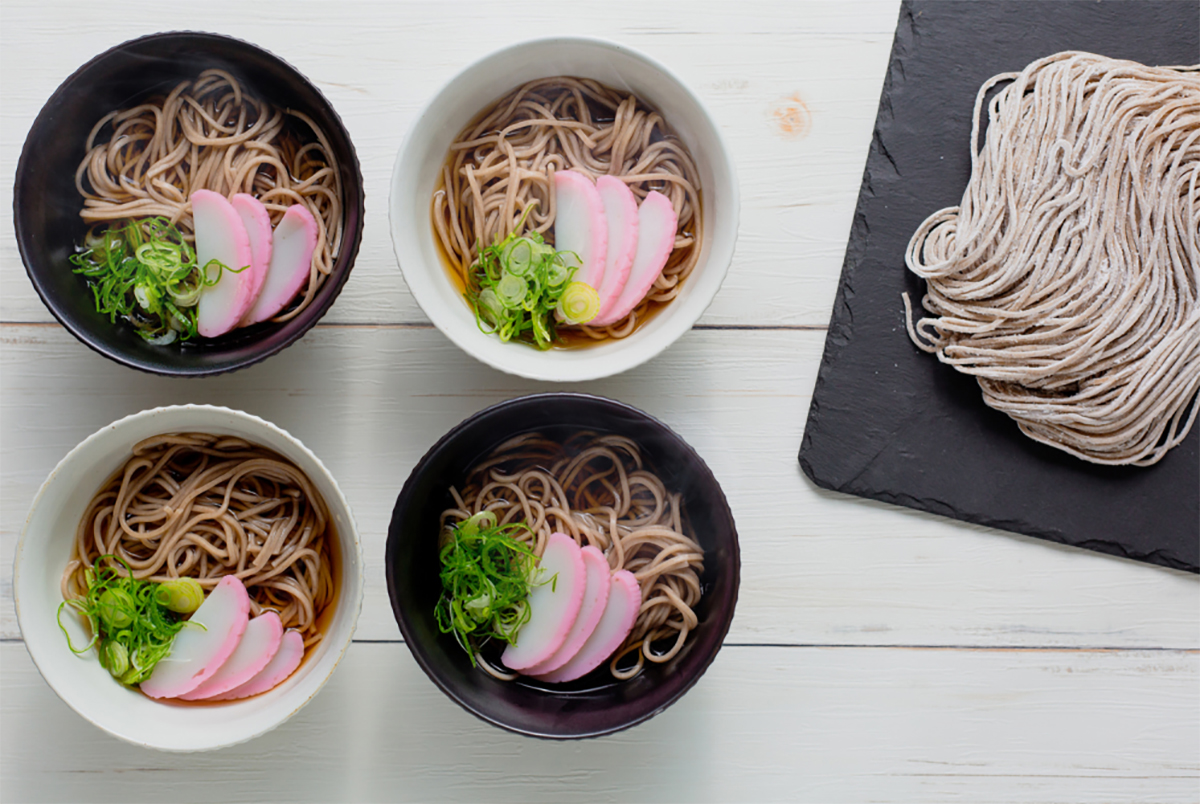 |
Traditional Japanese soba noodles. Photo: Tokyo Weekender |
Traditional Japanese soba noodles. Photo: Tokyo Weekender
According to the Soba Association's website, another reason Japanese people eat soba on new year's eve is to pray for prosperity. Historically, goldsmiths used fine soba flour to collect scattered gold dust or gold lacquer, as the flour easily adheres to gold. From this practice, it was believed that eating soba would bring wealth and good fortune to families in the new year.
While soba can be eaten hot or cold depending on regional preference, the most important rule is to finish the entire bowl before the new year's eve moment. "If you leave noodles until the new year, it is considered a bad financial omen, and you will carry the burdens of the old year into the next", a Japanese cultural expert stated.
Soba comes in two main forms: hot noodles (kake-soba) and cold noodles (mori-soba).
 |
Cold soba noodles. Photo: Tokyo Weekender |
Cold soba noodles. Photo: Tokyo Weekender
Hot soba noodles are typically served in a bowl with the noodles already immersed in a hot soba broth made from katsuo dashi (shaved bonito flakes). The bowl can include various toppings and flavors, depending on the restaurant or family tradition. Cold soba, also known as dipping noodles, is served with a separate dipping sauce. The cold soba noodles are arranged on a zaru, a small, slotted bamboo tray. Alongside it is a small plate containing wasabi and green onions, sometimes with a small quail egg. Diners add green onions to the dipping bowl, adjust wasabi to taste, then pick up the noodles, dip them into the broth, and slurp while eating. Slurping soba noodles is considered a sign of enjoyment and is believed to make the dish taste better.
In Tokyo, the broth is often rich and soy sauce-based, whereas in the western Osaka region, people prefer a lighter flavor from dashi broth. Popular toppings include tempura fried shrimp, which symbolizes longevity due to its curved shape like an elder's back, or green onions, representing peace and tranquility.
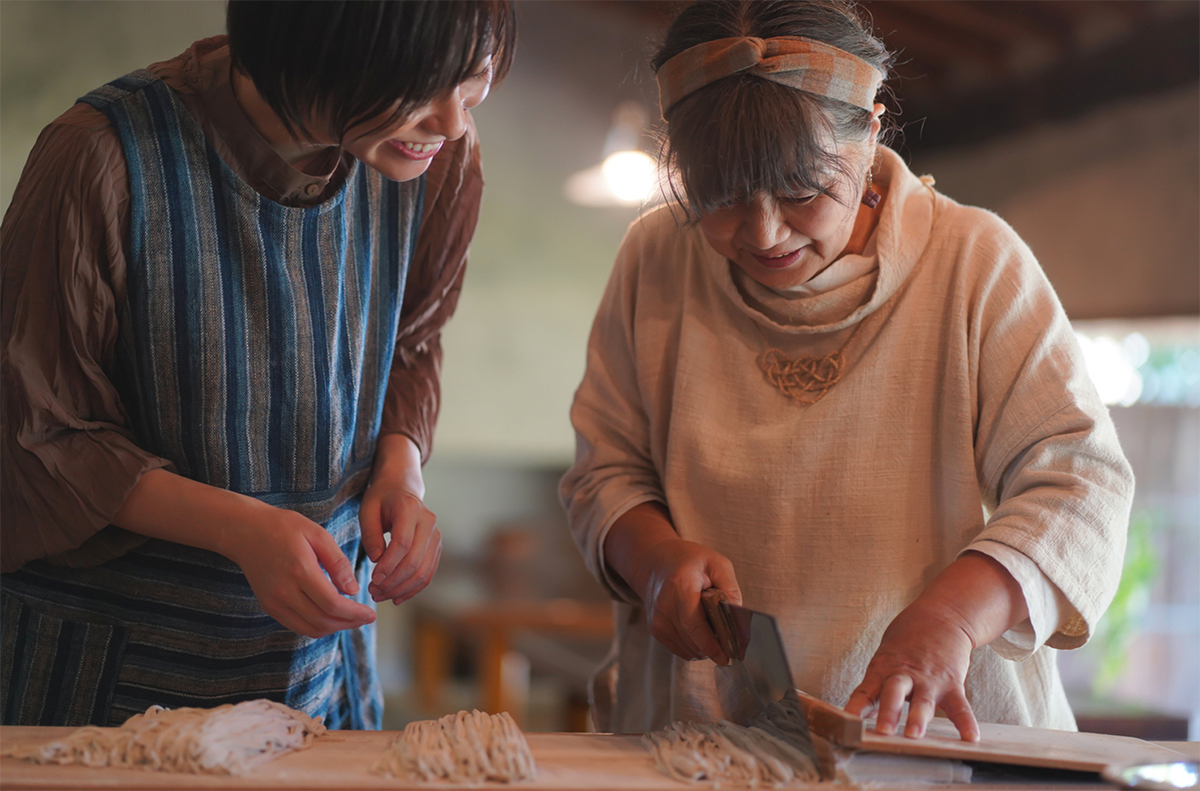 |
A chef preparing soba noodles. Photo: Tokyo Weekender |
A chef preparing soba noodles. Photo: Tokyo Weekender
Today, toshikoshi soba remains an indispensable cultural practice for Japanese people. Beyond its symbolic meanings, the convenience of this noodle dish allows families more time to rest after busy days of cleaning their homes for the new year.
December 31 is the busiest day of the year for soba noodle restaurants. On this day, many establishments often serve only a limited selection of soba dishes. If you are in Japan for the new year, embrace the local tradition by visiting the nearest soba restaurant. These eateries are ubiquitous, affordable, and offer a hot, nutritious meal.
Chef Hideyuki Okamoto, who studied for three years at a professional soba school and has operated a restaurant for 30 years, stated that his restaurant serves soba noodles topped with gold leaf on 31/12. The Okamoto family explained: "In Japan, gold leaf is considered a symbol of good fortune, so we add it to dishes on special occasions. With this soba, we aim to bring good luck and prosperity for the new year."
Tam Anh (according to Tokyo Weekender, livejapan, JNTO)