A proposal to mandate NATO members contribute 0.25% of their gross domestic product (GDP) in military aid to Ukraine is facing opposition from five key nations: Britain, France, Canada, Spain, and Italy. According to internal NATO sources cited by the British newspaper Telegraph on 24/5, these countries are "not very enthusiastic" about the idea.
The plan, put forth by NATO Secretary General Mark Rutte, aims to provide Ukraine with tens of billions of USD in additional aid. However, any such proposal requires the unanimous support of all NATO members to be passed.
At least seven bloc members support the proposal, and all of these nations currently spend more than 0.25% of their GDP on military aid for Ukraine.
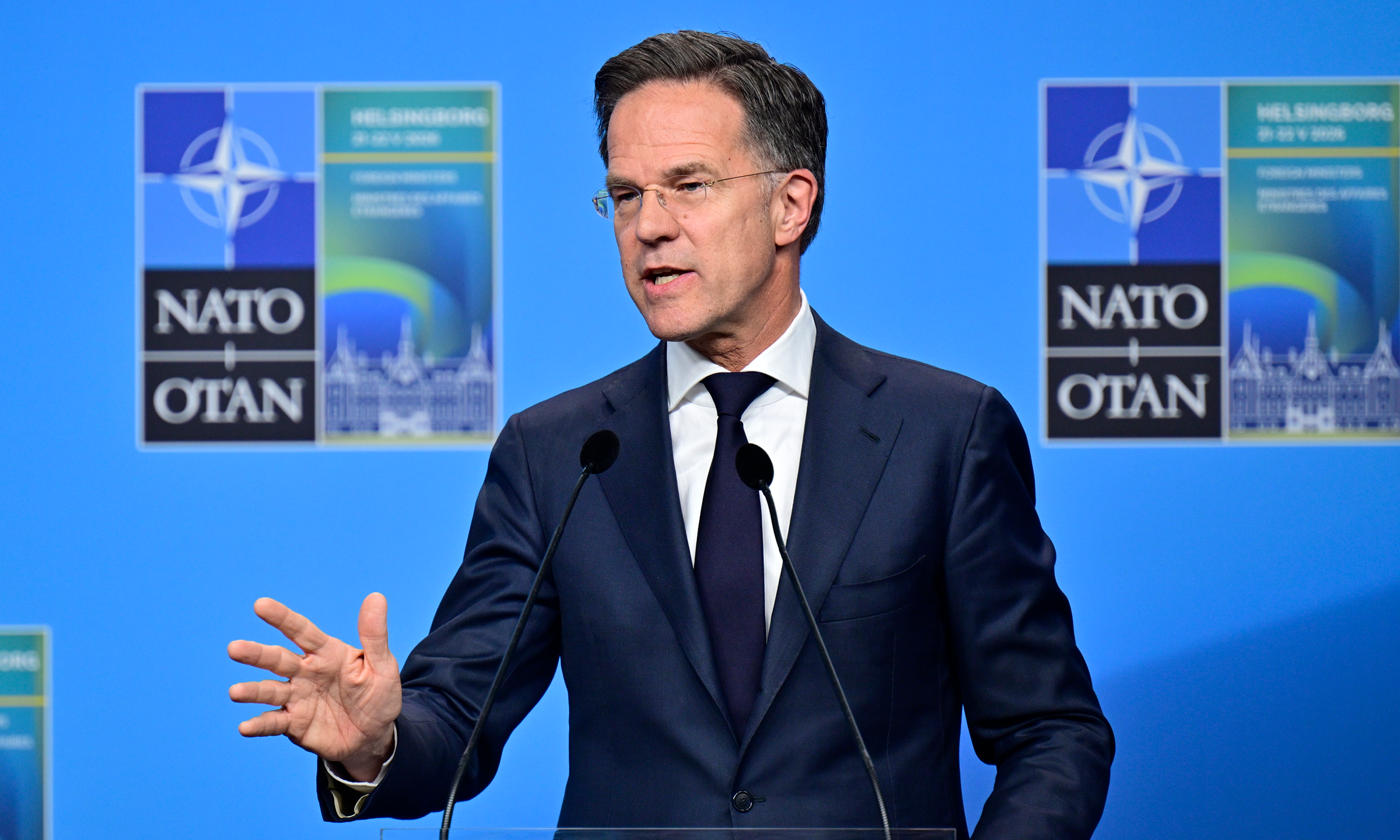 |
NATO Secretary General Mark Rutte speaks at the bloc's foreign ministers' meeting in Sweden on 22/5. *Photo: AP*
Secretary General Rutte admitted last week that his plan would not proceed due to insufficient support, though he did not name the opposing nations. He had initially hoped the proposal would be approved at the bloc's upcoming summit on 7-8/7 in Turkey.
While Britain has pledged approximately 4 billion USD annually to Ukraine, this amounts to only about 0.1% of its GDP. Despite this, Britain ranks third in military support for Ukraine, behind only the US and Germany. Most criticism is currently directed at France, Spain, Italy, and Canada, which have repeatedly been accused of not contributing their full potential.
Data from the Kiel Institute reveals a significant disparity in contributions. Several smaller NATO members, including the Netherlands, Poland, and the Nordic and Baltic states, already allocate at least 0.25% of their GDP to military aid for Ukraine. In contrast, major European economies like Britain, France, and Italy lag behind in GDP-proportionate contributions.
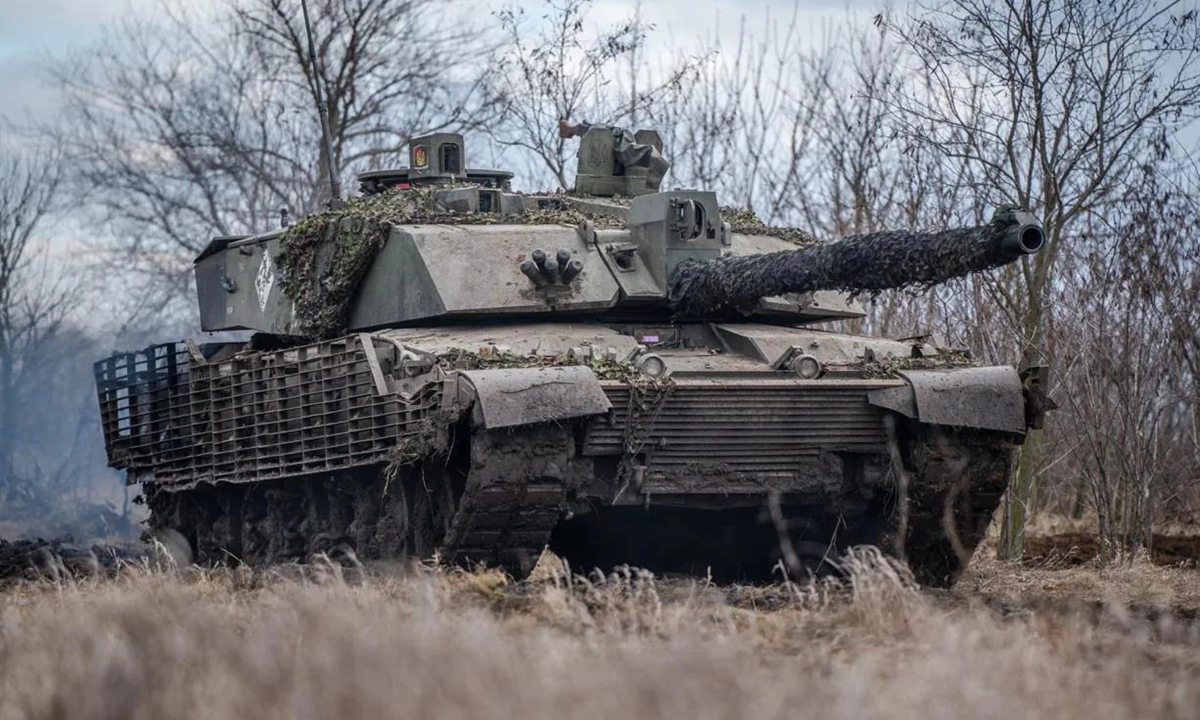 |
A Challenger 2 tank transferred by Britain to Ukraine in an image posted in November 2024. *Photo: ArmyInform*
Spain, France, Italy, and Canada have not responded when asked for comment. A spokesperson for the British Foreign Office said the country would "continue to consult with allies on all proposals to ensure the alliance can best support Ukraine".
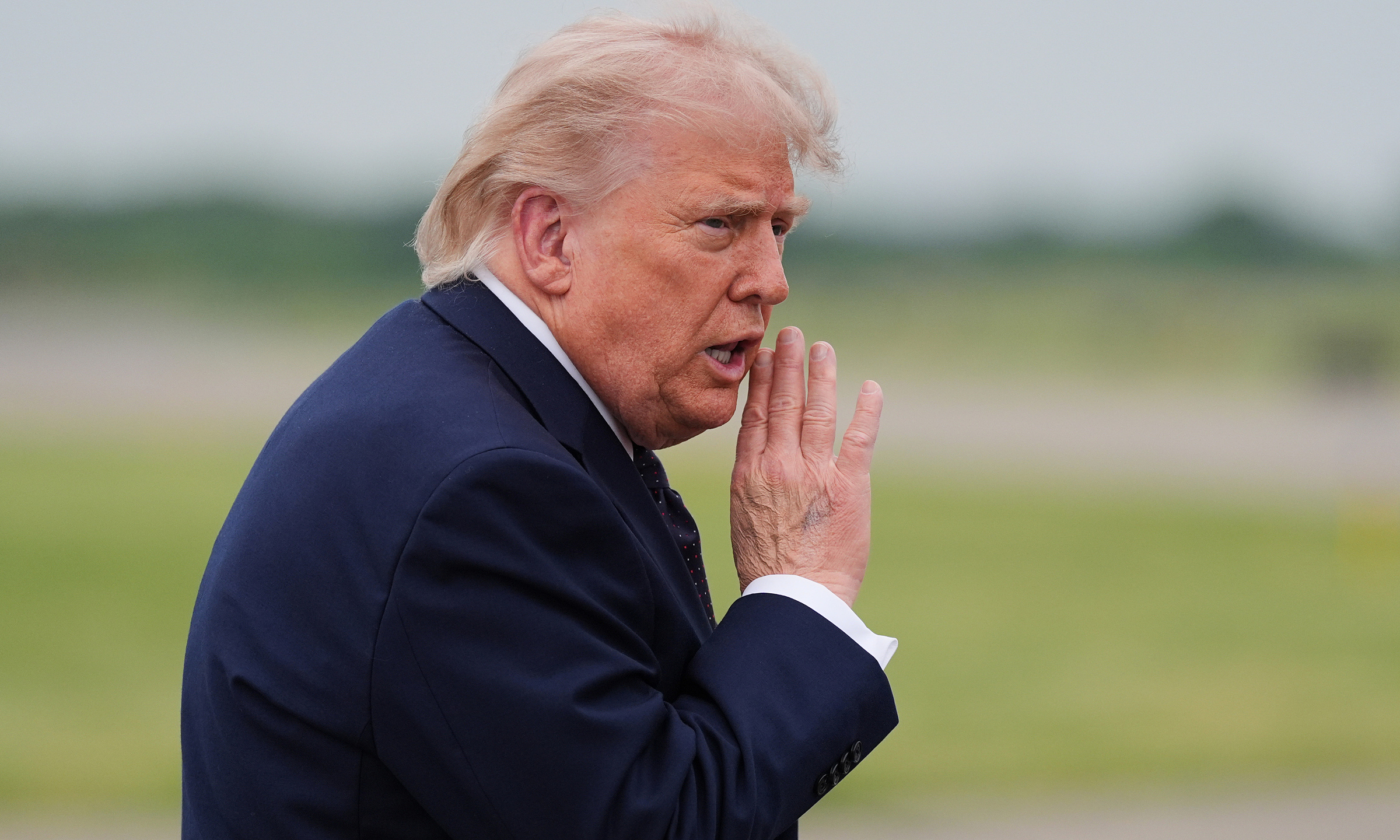
Secretary General Rutte has consistently argued that support for Ukraine "has not been evenly distributed within NATO," with many countries failing to contribute sufficiently. He maintains that Europe should bear more responsibility in aiding Ukraine, partly in response to US President Donald Trump's past complaints that the continent was "free-riding" on Washington's efforts. Mr. Trump previously suspended major aid to Ukraine, opting instead to sell weapons, with European allies covering the costs.
Ahead of NATO's meeting in Sweden last week, Swedish Prime Minister Ulf Kristersson urged allies to increase their support for Ukraine. "I truly want more nations that speak well of Ukraine to demonstrate their words with action," he stated.
By Pham Giang (Telegraph, Ukrainska Pravda, Straits Times)