The governments of Australia, New Zealand, the United States, Canada, the United Kingdom, South Korea, and Japan have issued travel advisories, urging their citizens to limit or avoid travel to Saudi Arabia following a series of attacks by Houthi forces from Yemen targeting airports in the country.
Australia and New Zealand were the latest nations to issue warnings on 12/10. Australia's Department of Foreign Affairs advised citizens to avoid King Khalid International Airport in the capital, Riyadh, and to reconsider travel plans to other airports in Saudi Arabia.
New Zealand's Ministry of Foreign Affairs advised citizens not to travel to Riyadh's main airport or the provinces of Najran, Jazan, and Asir "for any reason," and to avoid non-essential travel to Saudi Arabia.
 |
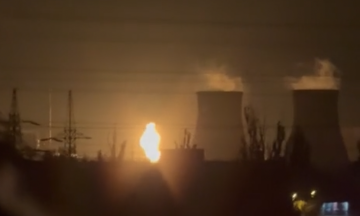
An Aramco oil refinery, south of Saudi Arabia's capital Riyadh, was attacked on 3/10. *Reuters* |
Previously, the United States Embassy in Riyadh on 11/10 advised citizens to reconsider travel to the country due to the risk of attacks from Iran and Houthi forces in Yemen. Washington also required United States government employees in Saudi Arabia to obtain "special permission" when using airports in the cities of Riyadh, Jeddah, and Dammam.
The United States mission in Saudi Arabia also warned citizens about the risk of flight cancellations, airspace closures, and travel disruptions, recommending they check flight status directly with airlines and airports. The agency stated that normal and emergency consular services for United States citizens remain available.
Canada advised its citizens to avoid non-essential travel to any region of Saudi Arabia. South Korea urged its citizens currently in the country to depart, except for essential work, and advised those planning to travel there to cancel their trips.
The United Kingdom advised citizens to avoid Jeddah, Dammam, and all airports in Saudi Arabia, except in truly essential circumstances; the only exception is Medina International Airport.
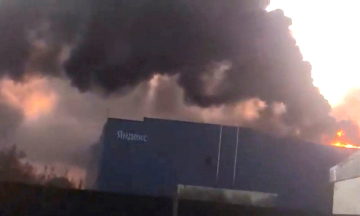
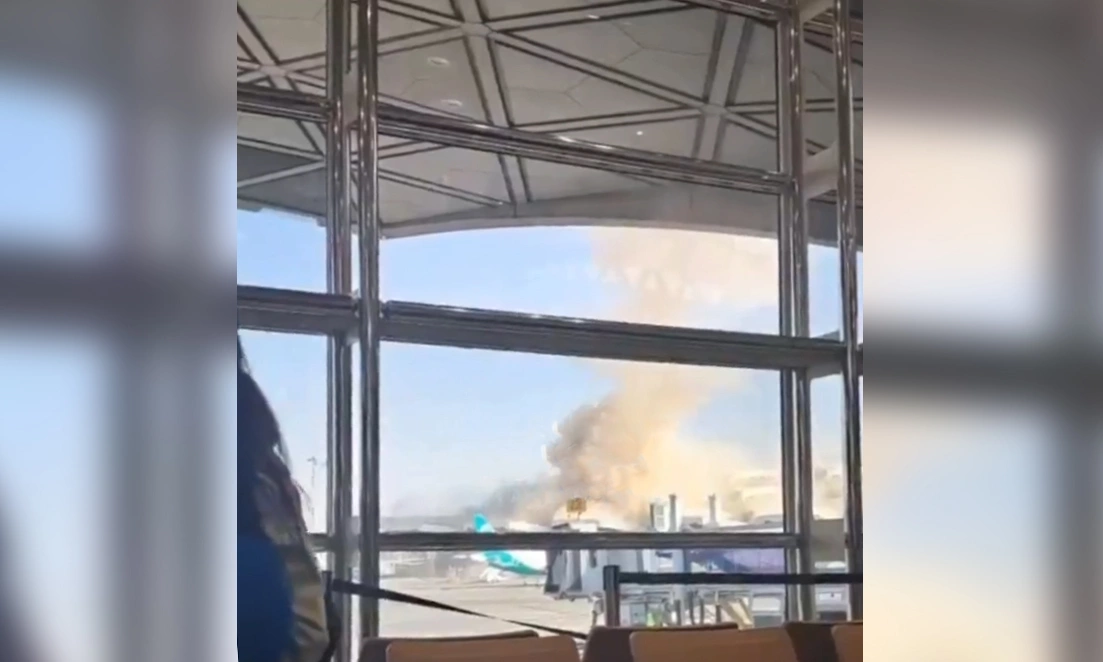
The series of warnings was issued after Saudi Arabia endured five attacks targeting airports in less than one week. According to the Saudi Civil Aviation Authority, the attack on King Khalid International Airport on 11/10 resulted in one fatality and 11 injuries.
An attack targeting the airport on 10/10 left 13 people dead and over 300 injured, making it the deadliest attack in Saudi Arabia in over a decade. The Houthi group claimed responsibility for four previous attacks, but no organization has yet claimed the 11/10 attack.
King Khalid International Airport in Riyadh and King Fahd International Airport in Dammam remained closed after the attacks, causing significant disruption to Middle Eastern aviation. Flights to and from King Abdulaziz International Airport in Jeddah were also affected.
According to flight tracking website Flightradar24, Jeddah airport recorded over 150 canceled flights and 374 delayed flights on 11/10.
Brendan Sobie, an independent aviation analyst and consultant in Singapore, stated that it is too early to fully assess the impact of the attacks on the regional and international aviation industry.
"The extent of this crisis's impact depends on how long the situation lasts, the duration of Riyadh airport's closure, and the scale of flight restrictions after it reopens," he said.
*Thanh Danh (According to Al Jazeera, AP, Reuters)*