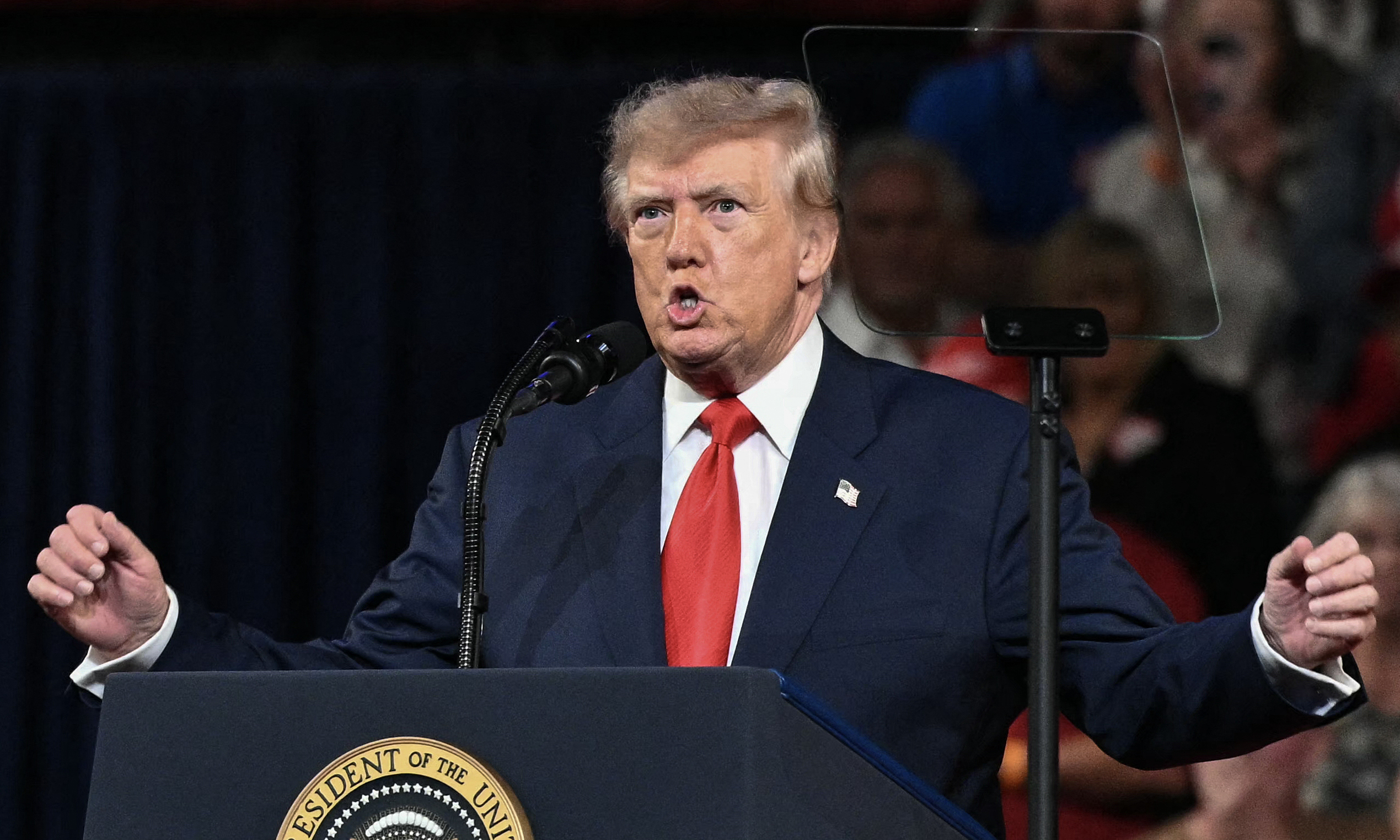
A bipartisan group of seven US senators has strongly condemned President Donald Trump's agreement to import Russian diesel, questioning its legality and arguing it undermines existing sanctions. In a joint statement on 11/10, the senators asserted that the decision directly contradicts a 2022 congressional ban on Russian energy imports, which was enacted to prevent American funds from financing Russia's war against Ukraine.
The 2022 legislation explicitly stated that the US should not import oil from Russia until the nation ceases its aggression against Ukraine and stops threatening NATO allies. The recent statement was signed by three Democratic senators, Jeanne Shaheen, Richard Blumenthal, and Ron Wyden, alongside four Republican senators: Susan Collins, Lisa Murkowski, John Curtis, and Thom Tillis.
"President Donald Trump's decision to allow Russian diesel imports into the US directly contravenes this law," the statement noted. The senators criticized the administration for not consulting Congress or providing any explanation to justify the decision, despite legal requirements. They further condemned the move as "providing significant financial support to Russia," urging the Trump administration to "immediately reverse the decision."
 |
A diesel sales point in Kansas, US on 9/10. *Reuters* |
This controversial agreement comes as diesel prices in the US, a crucial fuel for agriculture, home heating, and road transport, are nearing record highs. This economic factor could potentially impact the Republican party negatively in the upcoming congressional elections next month.
On 9/10, President Trump announced that Russia had agreed to immediately supply over 300,000 tons of diesel to the US and global markets. Further supplies are expected, including an additional 500,000 tons in November, one million tons shortly thereafter, and potentially 3 million more tons in the short term, depending on refinery conditions. The US also issued temporary sanctions waivers, allowing Russian diesel to access international markets.
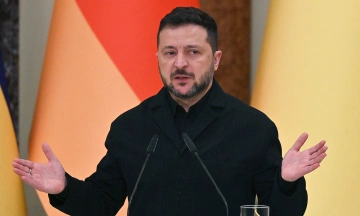
The Trump administration's move has drawn significant opposition from international leaders and former US officials. Ukrainian President Volodymyr Zelensky and several Western leaders have voiced their disapproval. Kaja Kallas, the European Union (EU) high representative for foreign policy, argued that lifting sanctions on Russian diesel would provide Russia with additional resources for its campaign in Ukraine. The European Commission also called for establishing a ceasefire encompassing infrastructure in both Ukraine and Russia, stating: "We believe a ceasefire is necessary to protect global food supplies, as well as energy infrastructure in Ukraine and Russia. Europe is well aware of the potential costs of excessive reliance on Russian fossil fuels and does not wish to contribute to the war against Ukraine."
 |
Russian President Vladimir Putin (left) and US President Donald Trump in Alaska in 8/2025. *AP* |
During a phone call with President Zelensky on 11/10, Canadian Prime Minister Mark Carney stated that the diesel agreement announced by Mr. Trump "directly contradicts efforts to establish peace and stability in Europe." Domestically, former Vice President Mike Pence described lifting sanctions on Russian oil as an act that "betrays Graham's legacy," referring to the "Lindsey O. Graham Russia and Iran Sanctions Act of 2026," which President Trump signed into law last month to honor the late Republican senator known for his tough stance on Russia.
Despite the criticism, the agreement has its defenders within the administration. Treasury Secretary Scott Bessent defended the deal with Russia, asserting: "We will implement the agreement with all existing legal authority. Anyone in Congress is incorrect to suggest that previous legislation or the Lindsey Graham Act prohibits us from doing this. The agreement benefits the American people because it helps to lower diesel prices," he stated in an interview with Fox News.
Senator John Barrasso, the number two Republican leader in the Senate, also supported the administration. He stated that Mr. Trump is focused on finding ways to reduce costs, adding: "The president is considering many factors and must make difficult decisions."
Huyen Le (According to AFP, Reuters, Fox News)