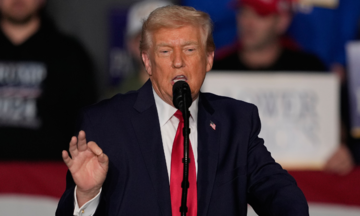
Bulgaria's government has resigned, Prime Minister Rossen Jeliazkov announced today, following widespread anti-corruption protests across the country. The decision came after less than a year in office and just before a scheduled no-confidence vote in parliament.
"The government is resigning. People of all ages, ethnicities, and religions have called for it. That's why this civic energy must be supported and encouraged", Prime Minister Jeliazkov stated after a meeting of ruling party leaders.
Tens of thousands of people took to the streets across Bulgaria on 10/12 to protest the government and pervasive corruption. This was the latest in a wave of demonstrations that began late last month, initially sparked by a proposed 2026 budget draft.
Protesters claim the document was an attempt to conceal widespread corruption. Though the government withdrew the budget draft last week, public outrage did not subside.
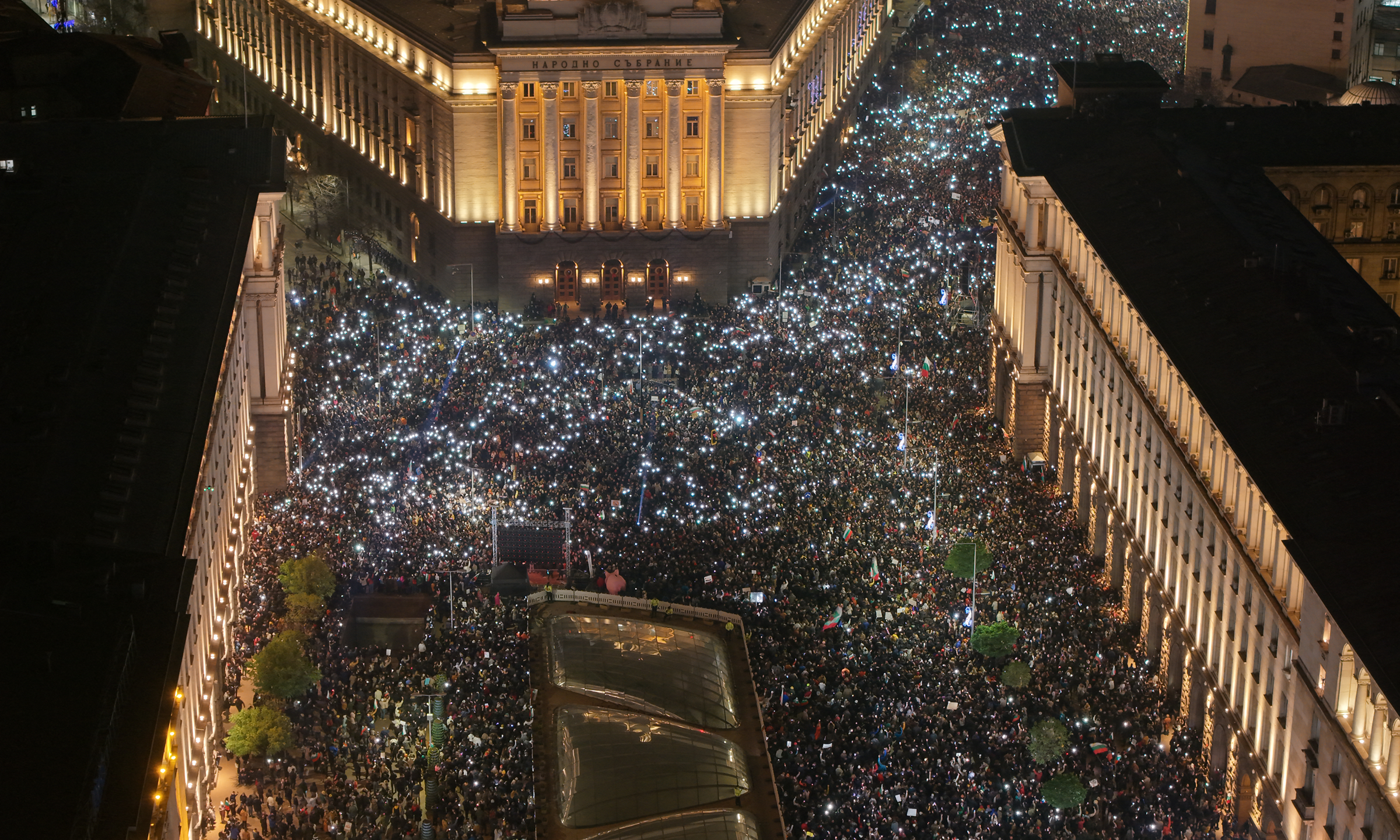 |
Protesters in central Sofia, Bulgaria on 10/12. *Photo: AFP* |
Many gathered outside the parliament building in the capital Sofia, chanting "Resign!" and displaying caricatures of politicians.
Gergana Gelkova, a 24-year-old sales employee, said she joined the protests because corruption had become "unbearable". She noted that most of her friends no longer live in Bulgaria and have no intention of returning.
Bulgaria is the poorest country in the European Union. Last week, Bulgaria's President announced support for the protest movement and called for the government to resign to pave the way for early elections.
The government's resignation is not expected to affect Bulgaria's planned entry into the Eurozone on 1/1/2026. However, observers suggest that people are concerned about rising commodity prices once Bulgaria adopts the euro, which would further erode the government's already low public trust.
Pham Giang (AFP)