Once a week, a black truck with blacked-out windows pulls up to a shack on the edge of a settlement. This area resembles a labyrinth of small shacks connected by muddy paths, slick from summer rains.
A man steps out, hands drugs to a dealer, collects money, and drives away. The dealer then breaks down the white crystals into small zip-lock bags, smaller than a child's pinky finger, before selling them for 22 USD each.
This settlement lacks electricity and running water. Food is scarce, yet drugs are omnipresent, according to community workers and a 17-year-old who lives there and has used crystal meth. He states that most of his friends use crystal meth, making his own addiction "only a matter of time."
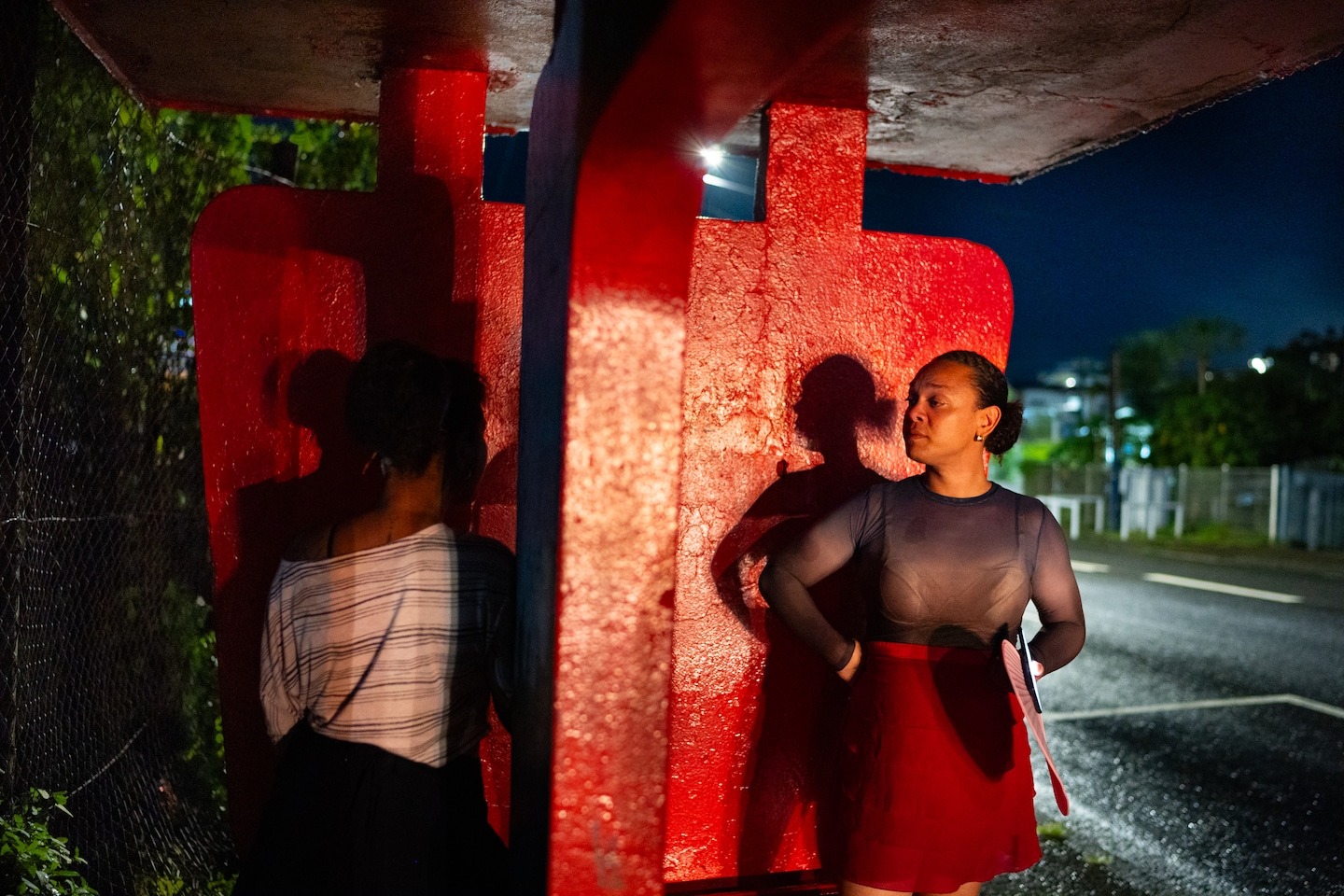 |
Elaine Monroe, 28, a recovering addict and former sex worker, speaks with a sex worker on the streets of Suva, Fiji's capital. *Photo: Washington Post* |
Fiji is a South Pacific island nation spanning over 18,000 square kilometers. With more than 300 islands, Fiji boasts pristine white sand beaches, turquoise waters, and stunning coral reefs, earning it the nickname "island paradise."
However, the United Nations has for many years warned Fiji about international criminal gangs exploiting its geographical location as a transshipment point for drugs, primarily crystal meth. These drugs originate from Southeast Asia and Latin America, destined for New Zealand, Australia, and North America.
This problem devastates families in Fiji, where children as young as 10 years old begin using crystal meth. The issue becomes more severe as people inject crystal meth into their bodies instead of snorting or ingesting it, according to a survey conducted by the World Health Organization (WHO) and the United Nations Development Programme (UNDP) in the capital, Suva.
Sharing needles and neglecting safe sex practices have also triggered a public health crisis in Fiji, placing it among the countries with the fastest-rising HIV infection rates globally. This overwhelms the public health system. Fiji's population is less than one million, yet 2024 recorded 1,583 new infections, the highest number ever and a 500% increase compared to 2018.
The United Nations and Fiji's Ministry of Health estimate this number will double this year to over 3,000 cases. Fiji officials believe the actual figure could be even higher, as many people in remote areas of Fiji remain untested. Most new infections occur in the 15-34 age group, and half of these new cases relate to drug use.
Law enforcement officials, customs authorities, United Nations officials, and drug gang investigators indicate that criminal groups operating in and around Fiji collaborate. These groups include Chinese Triads, Mexican gangs, Australian motorcycle gangs, and other organizations with connections from Nigeria.
"Criminal organizations target this region because they understand the limitations of law enforcement in monitoring vast maritime territories using traditional methods," stated the secretariat of the Oceania Customs Organisation, an association of 24 members that coordinates customs and border enforcement for Pacific nations. "We are witnessing unprecedented coordination among drug gangs and organized crime."
Rather than dominating Fiji's territory through violence, these gangs collaborate like a multinational corporation. Most concerning, this criminal network has infiltrated the police system and public agencies.
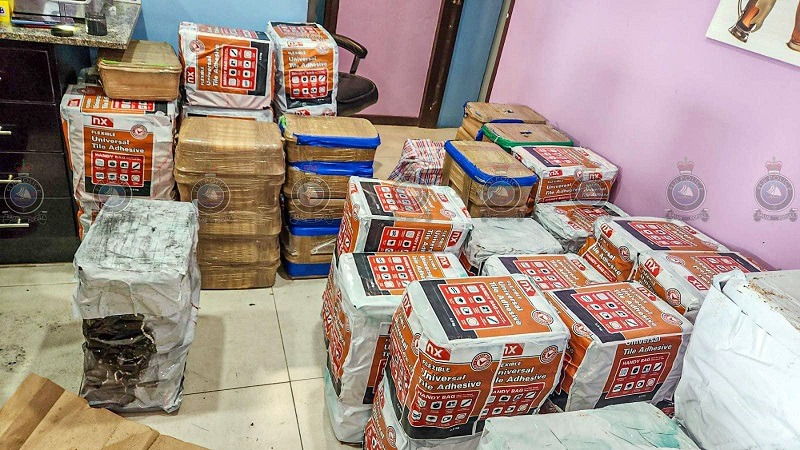 |
Drugs seized by Fiji police in early 2024. *Photo: Fiji Police* |
In December 2025, leaked chat messages on Viber, a popular messaging application in Fiji, revealed officers communicating with drug trafficking groups. Seven senior officers are currently under investigation, according to Fiji's Ministry of Police. From January 2023 to October 2025, 27 officers faced drug-related charges.
Drugs continue to flood into Fiji. On 16/1, police raided a vessel off the country's northwest port, discovering over two tons of cocaine packaged in more than 100 sacks. Prosecutors charged six individuals, including four Ecuadorean citizens and two local residents, with drug trafficking offenses.
"Drug trafficking has permeated our police force, organizations, and society," said Rabuku, a senior official in Fiji's prosecution department, noting that until this changes, Fiji will "always be a drug transshipment point."
Hong Hanh (According to Washington Post)