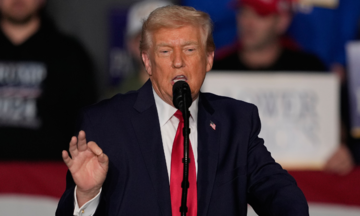
The European Union (EU) summit in Brussels, Belgium, on 18/12 extended late into the night as 27 member states urgently sought consensus on a financial aid plan for Ukraine. The bloc's top priority was to use approximately 200 billion euros (over 234 billion USD) in Russian central bank assets frozen in Europe to create a loan for Kyiv.
However, the EU could not reach consensus on this plan after Belgium, which holds the majority of Russia's frozen assets, demanded guarantees for shared legal liability among members in case of lawsuits from Russia. Other countries considered this proposal beyond what they could accept.
"Following extensive discussions, it is clear that a loan for the purpose of compensating Ukraine will require more time to finalize. Leaders need more time to thoroughly review the details", an EU official stated.
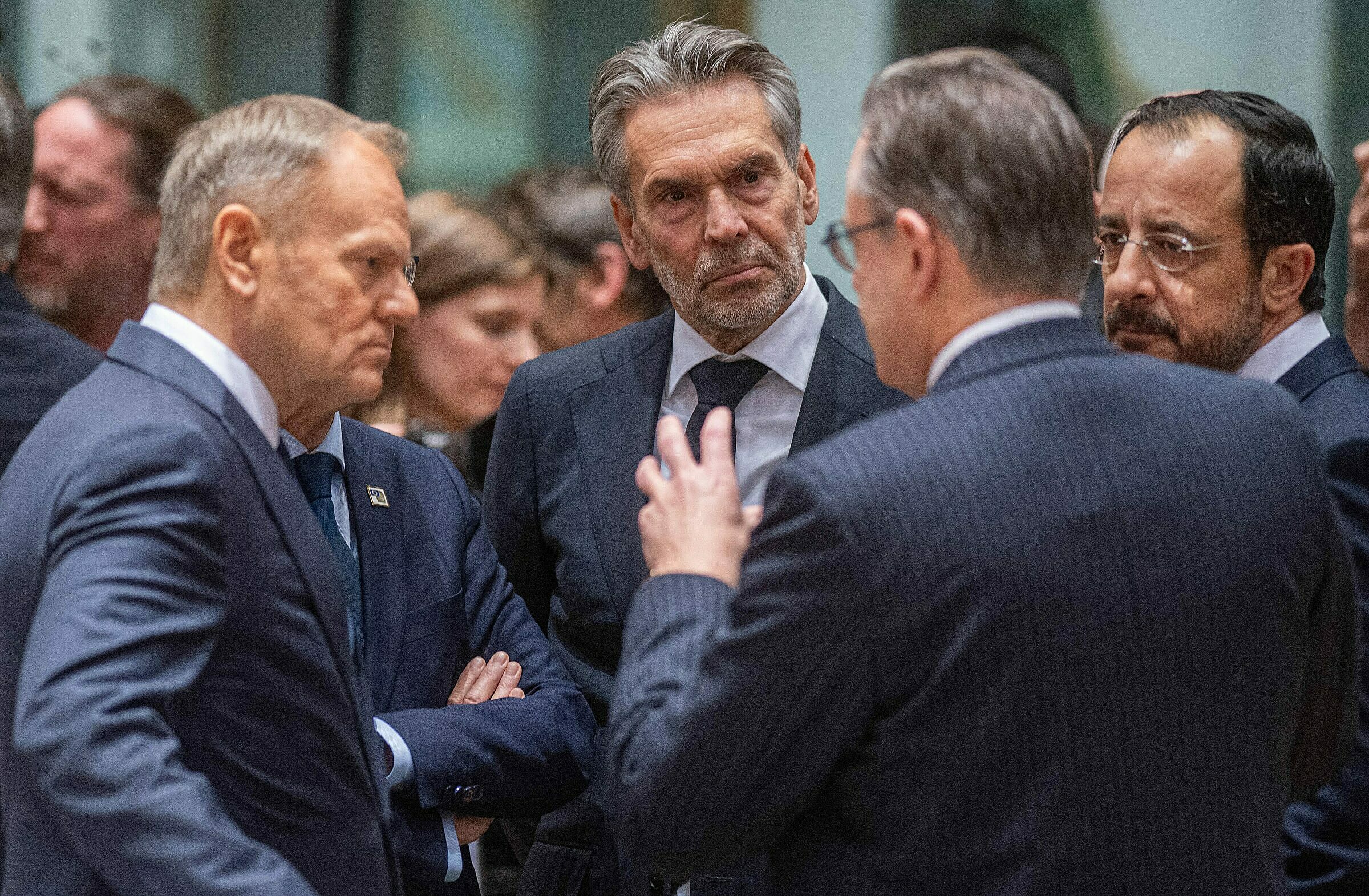 |
Dutch Prime Minister Dick Schoof (center), Polish Prime Minister Donald Tusk (left), and Belgian Prime Minister Bart De Wever (standing with back turned) at the EU summit in Brussels, Belgium, on 18/12. Photo: AFP |
Dutch Prime Minister Dick Schoof (center), Polish Prime Minister Donald Tusk (left), and Belgian Prime Minister Bart De Wever (standing with back turned) at the EU summit in Brussels, Belgium, on 18/12. Photo: AFP
Instead, negotiations focused on providing Ukraine with a loan secured by the EU's common budget. EU leaders subsequently reached an agreement to grant Kyiv 90 billion euros (over 105 billion USD) over the next two years.
According to an EU diplomatic official, the option of using Russia's frozen assets will continue to be discussed, but it currently appears to have been put aside. Russia previously stated it would "litigate for 50 years" if their frozen assets were transferred to Ukraine.
The EU estimates Ukraine needs an additional 135 billion euros (159 billion USD) to sustain operations over the next two years, as the country faces financial depletion due to prolonged conflict. At the opening of the EU summit on 18/12, Ukrainian President Volodymyr Zelensky said that using Russia's frozen assets to support Kyiv was "the right path".
The EU's failure to reach consensus on the plan to transfer Russia's frozen assets to Ukraine is a significant blow to German Chancellor Friedrich Merz, one of the initiative's strongest advocates. He had previously stated that the EU's credibility would be damaged if this step was not taken.
Huyen Le (According to AFP)