On 22/4, European Union (EU) member state ambassadors approved a 90 billion euro (approximately 106 billion USD) loan for Ukraine, alongside the 20th sanctions package targeting Russia. This decision, made at the Permanent Representatives Committee (Coreper) level, was announced by Cyprus, the rotating Presidency of the Council of the EU. The final approval procedure is underway in writing and is expected to be completed today.
This development follows confirmation from Hungary and Slovakia that Ukraine has resumed operations of the Druzhba pipeline, a critical route for Russian crude oil to these two nations. Hungary and Slovakia were the last two EU members still relying on Russian oil via Druzhba's southern branch, with 86-92% of Hungary's oil imports and nearly all of Slovakia's supply originating from this source.
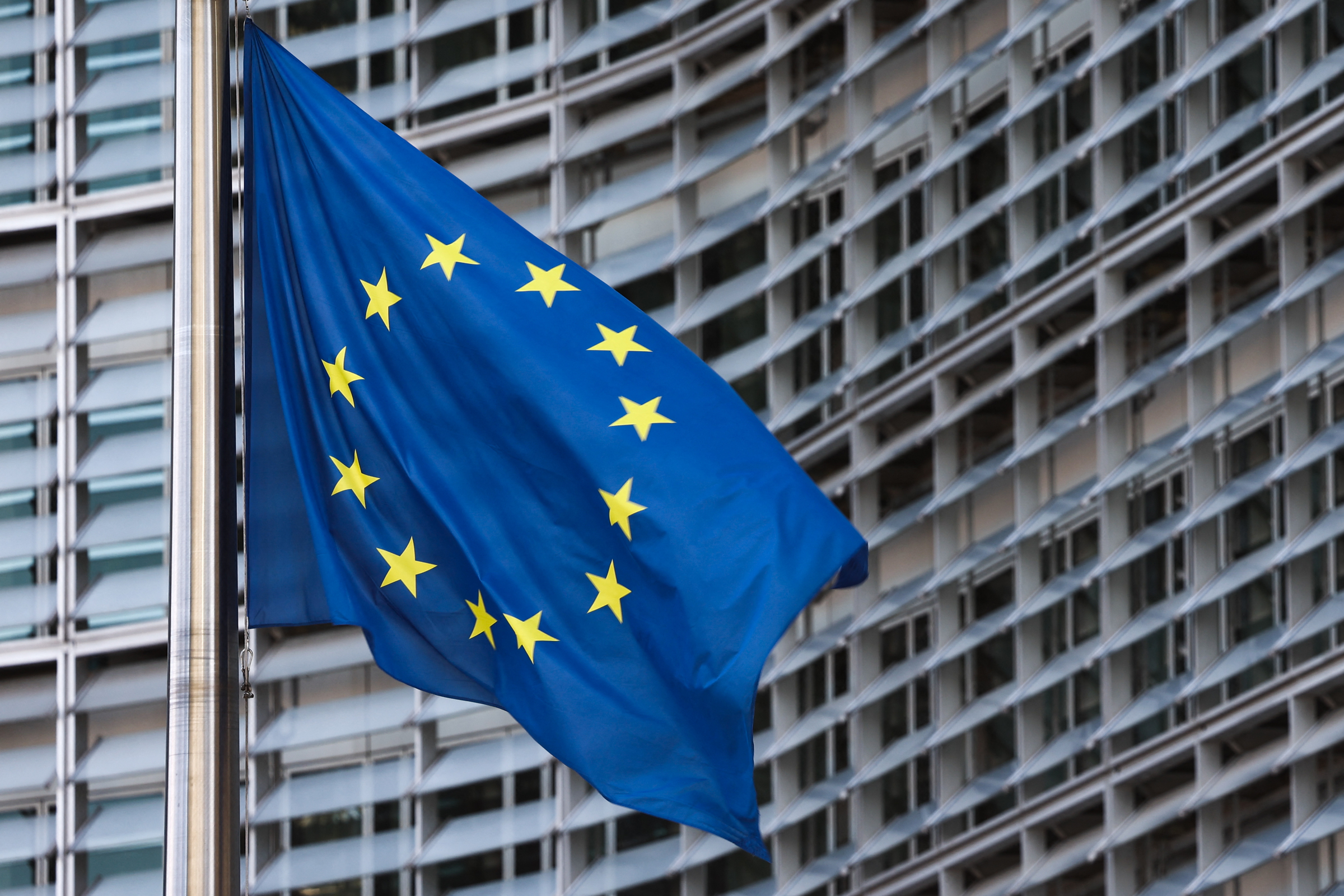 |
EU flags outside the European Commission headquarters in Brussels, Belgium in 2022. Photo: AFP
Hungary's energy company Mol reported receiving notification from the Ukrainian operator that crude oil from Belarus started flowing through the Druzhba system from noon on 22/4. Slovakia's Economy Minister Denisa Sakova confirmed the first oil batch is expected to arrive in her country this morning.
Ukrainian President Volodymyr Zelensky lauded the EU's decision to unlock the loan, calling it "a timely signal in the current context". He emphasized that Ukraine had fulfilled its obligations to the EU, including on sensitive matters such as Druzhba pipeline operations, and expressed anticipation for the union to promptly implement practical support measures.
This new EU loan represents a crucial financial lifeline, enabling Ukraine to sustain operations during the 2026-2027 period as its economy grapples with substantial pressure from the ongoing conflict. The plan allocates two-thirds of the funds to defense, with the remaining portion supporting other budgetary expenditures. Disbursement of the loan is slated for late May or early June, a critical time when Ukraine faces the risk of exhausting its financial resources without prompt assistance.
The previous deadlock over the loan had hindered efforts to intensify pressure on Russia, particularly as the EU sought to approve a new sanctions package marking the four-year anniversary of the conflict's outbreak in 2/2022. This package aims to broaden restrictions across the energy, finance, and maritime transport sectors, ultimately reducing Russia's oil export capacity.
The Druzhba pipeline, which traverses Ukrainian territory, facilitates the distribution of Russian oil to European nations such as Hungary and Slovakia. The system ceased operations on 27/1, with Ukraine attributing the disruption to Russian unmanned aerial vehicle (UAV) damage to its infrastructure.
Hungary and Slovakia had accused Ukraine of politically motivated delays in resuming oil transit through the Druzhba pipeline, an allegation Kyiv consistently denied. Tensions between the parties escalated in mid-February, when Hungary and Slovakia announced the suspension of diesel exports to Ukraine.
Hungarian Prime Minister Viktor Orban had previously conditioned his veto withdrawal on the resumption of oil flow. In a letter to European Council President Antonio Costa on 20/4, he affirmed Budapest's readiness to approve the loan immediately once this condition was met. Slovakia maintained a similar position concerning the new sanctions package.
Thanh Danh (According to Guardian, Kyiv Independent)