"Based on comprehensive analyses by German intelligence agencies, we have clearly identified the perpetrator and proven Moscow's responsibility," a spokesperson for the German Foreign Ministry said today. "We can now clearly attribute the cyberattack targeting the German Aviation Safety Agency in August 2024 to the APT28 hacker group, also known as Fancy Bear. Our intelligence agencies have found evidence showing Russia's Military Intelligence Agency (GRU) is responsible."
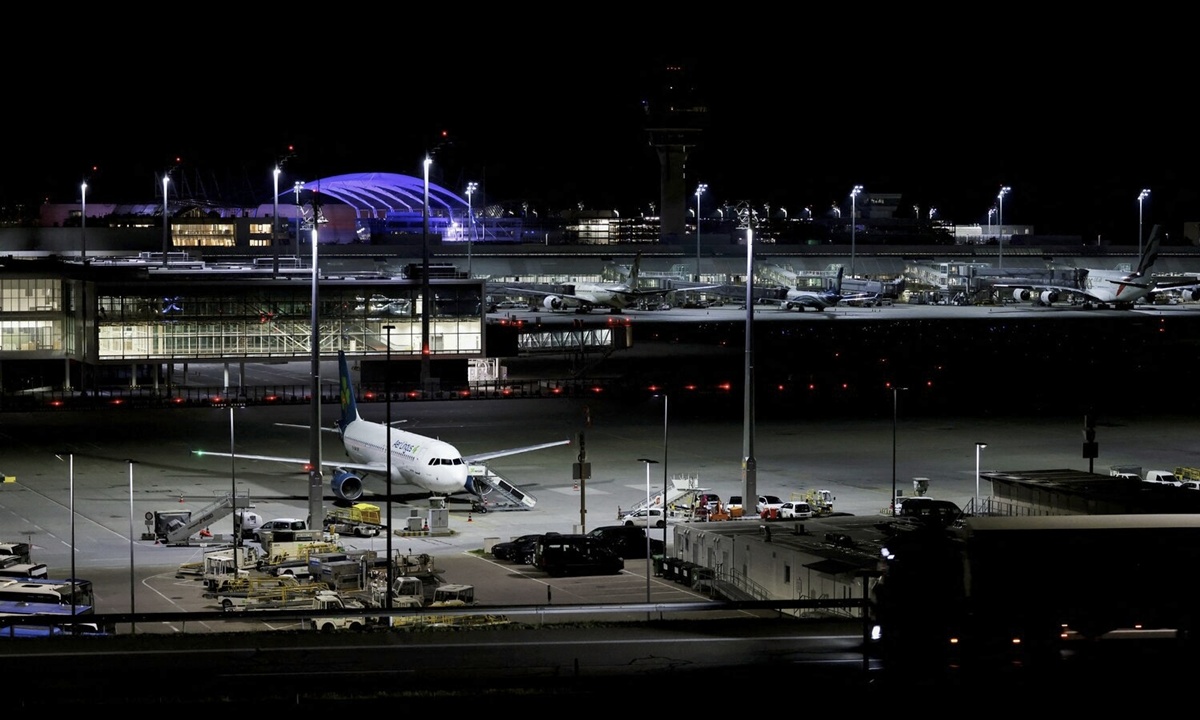 |
Flights were suspended at Munich International Airport, Germany, in October after reports of drone sightings in the area. *Photo: AFP*
He also stated that Russia sought to interfere in Germany's parliamentary election in February, where Chancellor Friedrich Merz's conservative party won and the far-right AfD achieved its best-ever result, finishing second.
"We can now confirm that Russia, through the Storm 1516 campaign, sought to influence and destabilize the most recent federal election," the spokesperson said.
The spokesperson stated that a research organization in Moscow supported by the GRU, along with other groups, disseminated fake images and deepfake content with the goal of dividing society and "undermining trust in democratic institutions."
He emphasized that Germany possesses "absolutely solid evidence" that Russia is behind these campaigns, but added that he could not elaborate further as it might reveal intelligence agency operations.
The Foreign Ministry spokesperson warned that Germany would implement "a series of countermeasures to make Russia pay for its actions."
He added that starting in January next year (2026), EU countries will "monitor the cross-border travel of Russian diplomats within the Schengen Area to facilitate better information exchange and minimize intelligence risks."
Russia has not yet commented on the information.
Germany has been the second largest provider of aid to Ukraine since the conflict with Russia erupted in 2022. Berlin has also accused Moscow of being behind the wave of drones that have appeared near several European airports in recent months.
German Chancellor Merz argued that these actions serve as evidence that Russia is attempting to destabilize Europe through "hybrid forms of attack."
*Vu Hoang (AFP)*